
Lieferung heute & morgen

Qualitätsgarantie

Willkommens-Angebote freischalten: KOSTENLOSE Lieferung | Bis zu 80 % RABATT | Kostenlose 30-Tage-JoyPlus-Testphase
App herunterladen
The search for the right Gochujang can be a challenge. Shelves and online shops offer a multitude of brands, sizes, and varieties that differ in taste, consistency, and intended use. Whether you want to prepare an authentic Bibimbap, marinate meat, or mix a spicy dip—choosing the right Korean chili paste is crucial for the success of your dish.
This article serves as a guide. We will introduce you to various Gochujang products based on their objective characteristics and intended applications. Our goal is to provide you with the information you need to make an informed decision about which Gochujang paste best suits your cooking habits.
Joybuy Product Recommendation Team
To make the right choice, it helps to know a few basic criteria. Here are three points to consider in your decision.
Not every Gochujang is equally well-suited for every dish. Consider what you primarily want to use the paste for:
A look at the ingredients reveals the flavour profile and any dietary restrictions. Traditionally, Gochujang is made from fermented soybeans, chili powder, glutinous rice flour, and salt. Modern variations may contain additional ingredients like corn syrup for more sweetness or fruit extracts for a more complex note.
This point is particularly important for individuals with specific dietary needs. Look specifically for products with appropriate labels, such as Halal Gochujang, if this is relevant to you.
Although Gochujang is by definition spicy, the intensity varies. The characteristic profile is created by the interplay of:
Here you will find a selection of Gochujang products that cater to different needs and taste preferences.

Why It Stands Out This Bibigo Gochujang is a classic and a staple in many kitchens. Its base of fermented soybeans, sun-dried chili powder, and rice flour provides a balanced ratio of heat, sweetness, and salty umami. The thick consistency makes it a versatile all-rounder.
Pros
Who It's For For home cooks looking for a reliable and versatile base paste for authentic Korean cuisine. It is equally suitable for beginners and experienced users who need a Gochujang for dishes like Tteokbokki, Kimchi-Jjigae, or Bulgogi marinades.
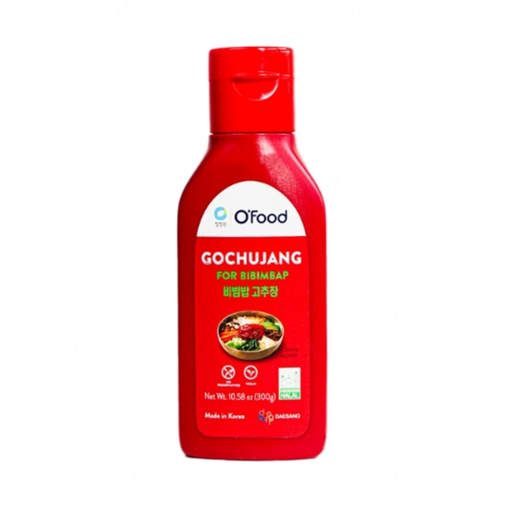
Why It Stands Out This product from O'FOOD is specifically designed as a Gochujang for Bibimbap and has HALAL certification. Its consistency is slightly more liquid than a classic paste, making it easier to mix with rice and vegetables. Ingredients like apple and mushroom extract give it additional flavour depth.
Pros
Who It's For For users looking for a Halal-compliant condiment or who prefer a convenient, ready-to-use Gochujang sauce for Bibimbap and other quick dishes. Also ideal for anyone who wants a spicy-savoury topping without the hassle of mixing.
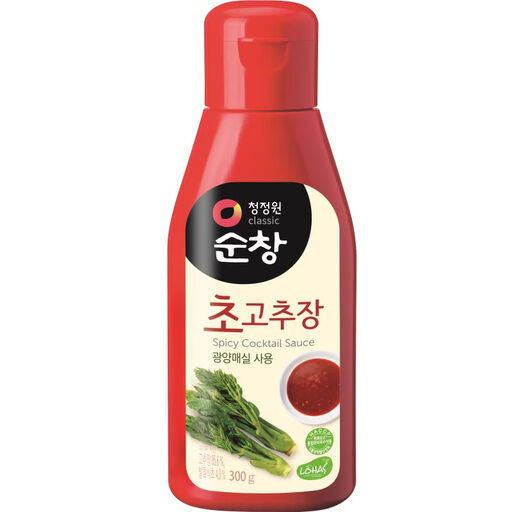
Why It Stands Out This variant, also known as "Cho-Gochujang," is distinguished by the addition of vinegar and fruit extracts (lime, plum). The result is a sauce with a distinct sweet, sour, and spicy note. It is significantly more liquid than traditional Gochujang paste.
Pros
Who It's For For lovers of sweet and sour flavour profiles. This sauce is an excellent choice for anyone looking for a ready-made dip for seafood, raw vegetables, or as a dressing for salads. It is less intended for cooking stews but shines best in cold applications.
This selection covers some of the most common use cases. However, the market for Korean chili paste is diverse and offers numerous other specialities, different levels of heat, and package sizes.
If you are looking for other varieties or prefer a different brand, you can find a wider selection in our Korean chili paste category.
Gochujang is a fermented paste made from chili peppers, glutinous rice, fermented soybeans, and salt. It has a complex, sweet, spicy, and salty flavour. Gochugaru, on the other hand, is the Korean chili powder used as one of the main ingredients for making Gochujang and Kimchi. Gochugaru provides pure heat and colour, while Gochujang is a finished condiment.
After opening, Gochujang should be stored tightly sealed in the refrigerator. Cool storage slows down the fermentation process, prevents it from drying out, and preserves the quality and flavour of the paste over a longer period. Always follow the storage instructions on the packaging.
Gochujang is fundamentally spicy, but the intensity can vary by brand and product. The heat is balanced by the sweetness of ingredients like corn syrup or sugar, which results in the characteristic sweet-and-spicy taste. Some products are milder, while others have a more intense heat. Most commercially available pastes are in a medium heat range that is well-suited for most dishes.