
Lieferung heute & morgen

Qualitätsgarantie

Willkommens-Angebote freischalten: KOSTENLOSE Lieferung | Bis zu 80 % RABATT | Kostenlose 30-Tage-JoyPlus-Testphase
App herunterladen
For many, the aroma of freshly ground coffee in the morning is the epitome of a perfect start to the day. A drip coffee maker with an integrated grinder promises just that: the full flavour of whole beans combined with the convenience of an automatic machine. However, the market is crowded, and not every device delivers on its promise. Certain design flaws and exaggerated marketing claims often lead to disappointment.
As your Joybuy Product Recommendation Officer, I'll help you identify the crucial features and avoid common purchasing pitfalls. This guide focuses on the objective criteria that separate a good machine from an inadequate one.
Before you make a decision, you should be aware of the most common problems that many models only reveal after the purchase.
To avoid a bad purchase, you should focus on three core technical aspects. These largely determine the quality of your coffee and the longevity of the device.
The grinder is the most important component. Pay attention to its type and material.
Modern devices offer more than just brewing coffee. These features significantly enhance daily usability.
Practical design features simplify daily use and maintenance.
Here are two models tailored to different user profiles that specifically avoid the pitfalls mentioned.
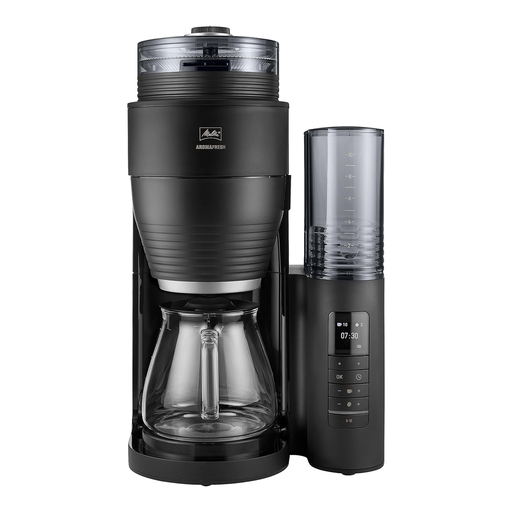
Why This Fits Their Persona: Ideal for users who value full control and high quality. This device combines the convenience of a drip machine with the customisation options required for preparing coffee from whole beans.
The integrated ceramic grinder with 11 grind settings prevents uneven grounds. Five adjustable strength levels provide the necessary control, and the removable water tank simplifies cleaning.
Precise ceramic grinder for aroma-preserving grinding; timer function and variable coffee strength for personalised enjoyment.
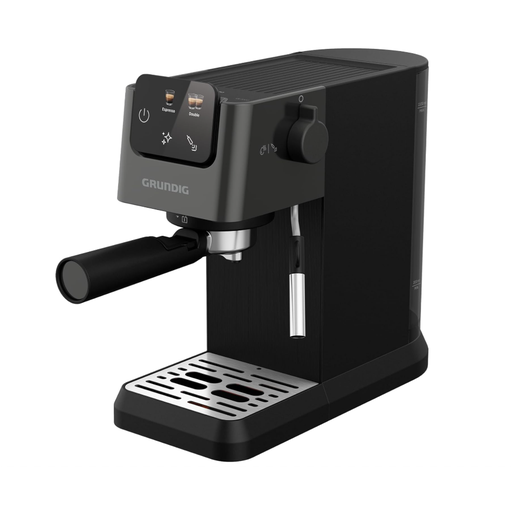
Why This Fits Their Persona: An alternative for coffee drinkers looking to upgrade from pre-ground powder but not yet ready to invest in an all-in-one machine. It offers control over the brewing process but requires a separate coffee grinder.
This model bypasses the pitfall of a poor integrated grinder by not having one. It forces the user to use a separate grinder, which often yields a better grind consistency than budget-friendly combination units.
Allows entry into espresso preparation with freshly ground powder; the 15-bar pump pressure, according to the manufacturer, ensures good extraction.
We have compiled a complete, up-to-date list of products that fully meet these strict selection criteria and German safety regulations.
The frequency of descaling depends on the water hardness in your area and how often you use it. As a general guideline, it is recommended to descale the machine every two to three months. Many modern machines have a built-in descaling indicator that automatically reminds you when cleaning is necessary.
A coffee maker with a ceramic grinder offers objective advantages. Ceramic generates less frictional heat during the grinding process, which helps to better preserve the volatile aromas of the coffee beans. Additionally, the material is extremely hard, wear-resistant, and does not rust. Stainless steel grinders are also robust but can potentially transfer more heat to the grounds.
Yes, most high-quality models offer a function to deactivate the integrated grinder. This allows you to use pre-ground coffee powder instead. This feature, often called a "powder chute" or "bypass" function, provides additional flexibility if, for example, you want to prepare decaffeinated coffee or try a different coffee variety without changing the beans in the main container.