
Lieferung heute & morgen

Qualitätsgarantie

Willkommens-Angebote freischalten: KOSTENLOSE Lieferung | Bis zu 80 % RABATT | Kostenlose 30-Tage-JoyPlus-Testphase
App herunterladen
A dog sleeps for an average of 12 to 14 hours per day. Therefore, choosing the right dog bed is crucial for its well-being and health. The market offers a vast array of models, materials, and features, which can make the decision challenging. This guide is designed to help you understand the characteristics of different dog beds and make an informed choice that meets the individual needs of your four-legged friend.
To find the perfect sleeping spot, it's helpful to consider a few basic criteria. The following points provide a guide for your decision.
A dog bed should be robust and easy to clean. Look for models with removable and machine-washable covers. A washable dog bed makes hygiene significantly easier and helps reduce odours and allergens. Materials like durable polyester, faux leather, or tightly woven fabrics are often more resistant to claws and dirt. For outdoor beds, the material's water resistance and UV stability are also important factors.
Every dog has different sleeping habits and requirements. The choice of bed type should be tailored accordingly:
The bed must be large enough for your dog to stretch out comfortably. Measure your dog from the tip of its nose to the base of its tail while it is in its preferred sleeping position, and add 20-30 cm to determine the right size. This is particularly important for a dog bed for large dogs, ensuring that joints and the body are fully supported.
Based on the criteria mentioned, we have compiled a selection of different dog beds that cover various needs.
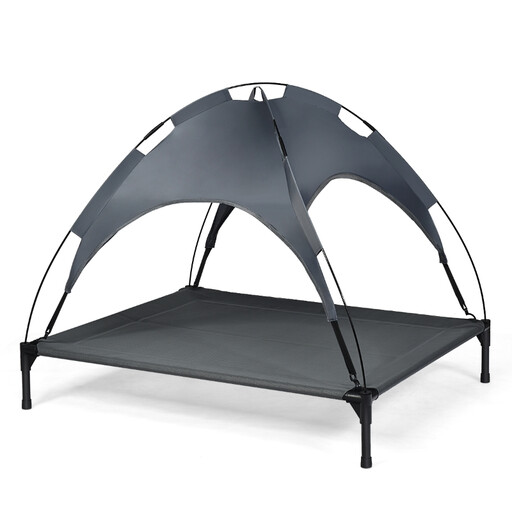
What makes it stand out: This model combines an elevated dog cot with a removable sun canopy. It is a versatile solution for both indoor and outdoor use. The raised design promotes air circulation and keeps the dog off damp or dirty ground.
Advantages:
Who it's for: Ideal for dog owners looking for a flexible sleeping option for the garden, balcony, camping, or the beach. It is suitable for small to medium-sized dogs that enjoy relaxing outdoors.
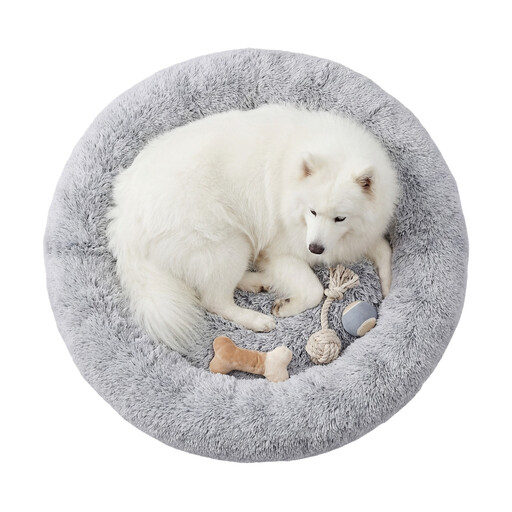
What makes it stand out: With a diameter of 140 cm, this donut dog bed offers an exceptional amount of space. The round shape with the raised, soft rim is designed to create a sense of security, making it a great calming dog bed.
Advantages:
Who it's for: Perfect for large dog breeds or households with multiple dogs. It is also a great choice for pets prone to anxiety who need a secure retreat.

What makes it stand out: This dog sofa combines an ergonomic design with orthopedic support. The egg-crate foam sleeping surface conforms to the dog's body, relieving pressure on joints and the spine, making it a functional orthopedic dog bed.
Advantages:
Who it's for: An excellent choice for large or older dogs, as well as for breeds prone to joint problems. It is designed for dogs up to a recommended weight limit of 45 kg.
The models presented here cover only a small fraction of the available options. If you are looking for a specific colour or a different style, you may find the right model in our broader collection.
? Explore more grey dog beds in our collection
1. Which dog bed is best for joint problems? For joint problems like arthritis, an orthopedic dog bed is recommended. Models with memory foam or high-density support foam relieve pressure points on joints like the hips and elbows and promote a healthy sleeping position.
2. How often should you wash a dog bed? The frequency depends on usage, the dog's coat type, and any allergies. As a general guideline, it is recommended to wash the dog bed cover every one to two weeks. Regular cleaning helps remove hair, dirt, dander, and odours, and maintains hygiene.
3. How do I get my dog used to its new bed? Place the new bed in a quiet, familiar spot where your dog likes to rest. Make the bed more appealing by placing familiar blankets or toys on it. Praise and reward your dog when it uses the bed on its own. Avoid forcing it, as this can create negative associations.