
Lieferung heute & morgen

Qualitätsgarantie

Willkommens-Angebote freischalten: KOSTENLOSE Lieferung | Bis zu 80 % RABATT | Kostenlose 30-Tage-JoyPlus-Testphase
App herunterladen
The desire to cut your own hair often stems from practical reasons: it saves time, money, and offers flexibility. However, the hair clipper market is saturated with devices whose marketing promises often fall short in practice. Before you make a decision, it's crucial to understand the common pitfalls that lead to frustration and an uneven haircut.
Many users invest in a device that loses power after just a few months, snags hair, or has a battery that can't even last for a single full haircut. These issues can often be traced back to three common but avoidable flaws:
This guide will help you navigate these pitfalls and make an informed decision based on objective criteria.
To find a machine that makes cutting your own hair a reliable success, you should examine three core technical aspects. These determine the longevity, safety, and quality of your haircut.
The blades are the most critical component. Their quality determines whether hair is cut cleanly or simply torn. Look for the following materials:
Regardless of the material, a rounded (R-shaped) blade design is an important safety feature to prevent skin irritation and scratches, especially when cutting children's hair.
The choice between a cordless hair clipper and a corded model depends on your priorities.
Some models offer a combined corded/cordless operation, uniting the best of both worlds.
The ability to precisely adjust the cutting length is crucial for a successful result. There are two common systems:
A good men's hair clipper set should include a sufficient number of attachments for various hairstyles and fades.
Based on the objective criteria mentioned above, we have identified several models suited for specific user profiles and their needs.
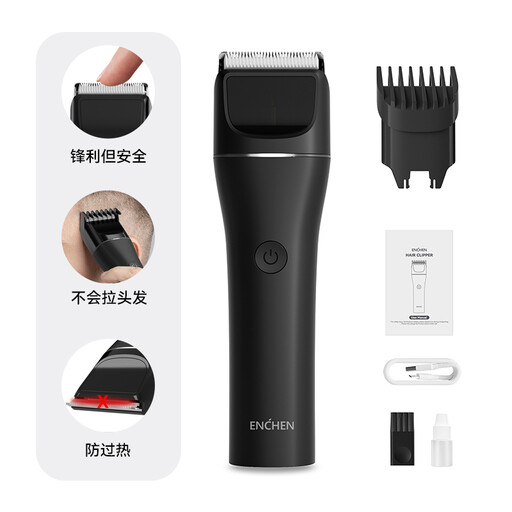
Why This Fits Their Persona: Ideal for users looking for a straightforward, cost-effective solution for simple haircuts. Its operation is intuitive and covers the most common needs for home use.
Instead of many individual attachments that can get lost, this model uses an integrated sliding comb. This simplifies handling and avoids the compromise of confusing "all-in-one" sets.
Ceramic Blade: Ensures lower heat generation and long-lasting sharpness. Type-C Charging: Allows for convenient charging with standard cables.
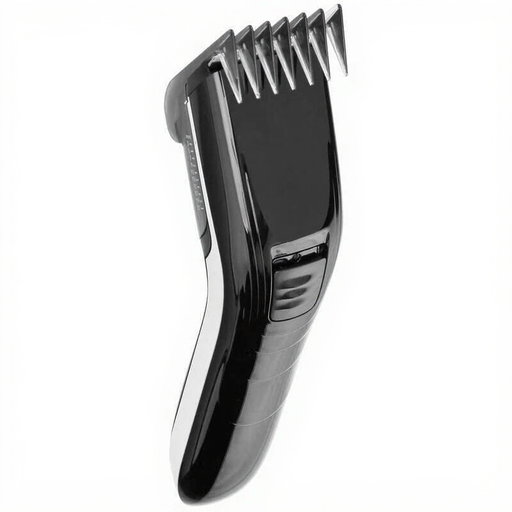
Why This Fits Their Persona: Designed for use on both adults and children. Safety and low noise are prioritised to make haircuts a stress-free experience for all family members.
Its corded-only operation completely bypasses the trap of diminishing battery performance. The power is constant from the first moment to the last, which prevents hair snagging.
Rounded Blades and Combs: Prevent skin irritation and scratches. Quiet Motor: Reduces vibrations and noise, which is especially beneficial for children.
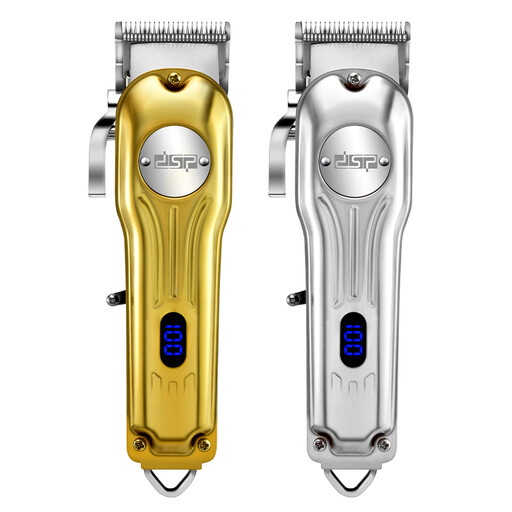
Why This Fits Their Persona: For users who need high performance and durability for frequent use or cutting thick hair. The features are geared towards achieving precise and repeatable results.
This model backs up its "professional" claim with verifiable specs: an all-metal body, a 6500 RPM motor, and a large 2000 mAh battery deliver objectively measurable performance.
High Motor Power: Cuts effortlessly through dense hair. Long Battery Life (200 min): The large battery and LED display ensure reliability during long sessions.
We have compiled a complete, up-to-date list of products that fully meet these strict selection criteria and safety standards.
How often should you oil the blades of a hair clipper? Most manufacturers recommend oiling the blades after every two to three uses. First, clean the blades of hair clippings with the included brush. Then, apply one or two drops of the special blade oil onto the teeth of the blade and run the device briefly to distribute the oil evenly. This reduces friction, prevents wear, and maintains cutting performance. Some models with special blade materials are advertised as maintenance-free; check the manufacturer's specifications for this.
Can I use a hair clipper for my beard? Generally, yes, but there are differences. A hair clipper is designed for quickly cutting large areas of thicker head hair. A beard trimmer typically has narrower blades for more precise contours and finer length settings (often in 0.5 mm increments). For a simple, short beard, a hair clipper may suffice. For detailed styling and precise lines, a dedicated beard trimmer or a combo kit with special attachments is the better choice.
What is the difference between ceramic and stainless steel blades?Stainless steel blades are the industry standard. They are very durable, resilient, and relatively inexpensive to produce. Their disadvantage is that they can generate heat through friction. Ceramic blades produce significantly less heat, which increases comfort during prolonged use. They stay extremely sharp for a long time and are hypoallergenic. However, they are more brittle and can be damaged more easily than stainless steel if dropped.