
Lieferung heute & morgen

Qualitätsgarantie

Willkommens-Angebote freischalten: KOSTENLOSE Lieferung | Bis zu 80 % RABATT | Kostenlose 30-Tage-JoyPlus-Testphase
App herunterladen
Stressed, dry, or frizz-prone hair is a common concern. The market for hair care products is vast and overwhelming, making it difficult to choose the right hair mask. Many products promise quick results, but not every hair treatment delivers on its promises. Before you make a decision, it's important to understand the most common pitfalls to make an informed choice that truly meets your hair's needs.
Many purchasing decisions are based on marketing promises that often obscure more than they clarify. Two typical issues prevent products from delivering the expected results:
To find the right treatment, you should focus on objective criteria rather than generic advertising claims.
An effective hair mask is characterised by a balanced combination of ingredients that target specific problems. Look for the following groups of active ingredients:
The decision for or against a silicone-free hair mask depends on your personal hair care goals.
The most important question is: What exactly do you want the hair mask to do for your hair? Define your primary goal. Are you looking for a solution for dry hair that needs intense moisture? Or do you need a repair treatment for damaged hair after colouring? The clearer your goal, the more effectively you can select a product whose formulation and intensity match your hair type (fine, normal, thick) and level of damage.
Based on the criteria above, we have compiled a selection of products for various requirement profiles.
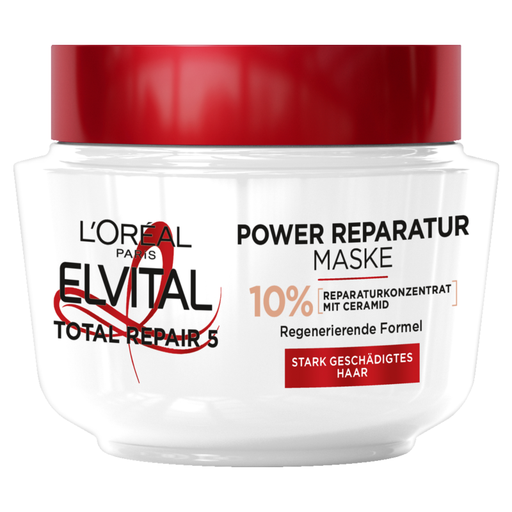
Why it's a great fit: It offers a reliable and affordable solution for everyday hair problems like dryness and breakage without requiring a large budget. Ideal for users seeking effective basic care.
Instead of relying solely on a superficial effect, the formula contains structure-building ingredients like Arginine and Serine, which aim to support the hair's structure.
The formulation is designed to specifically target five common signs of stressed hair (straw-like texture, breakage, dryness, brittleness, split ends).
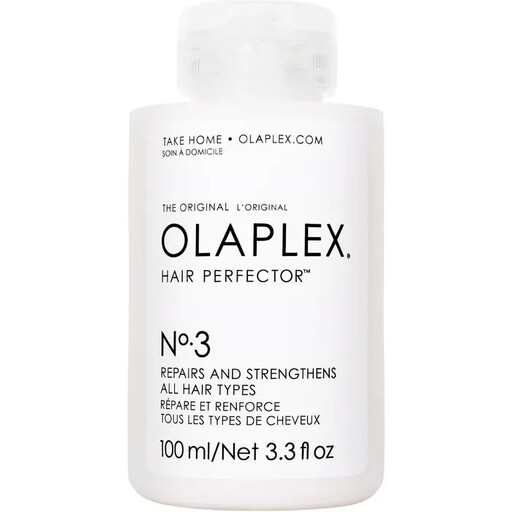
Why it's a great fit: It was specifically developed to repair hair damage caused by chemical treatments like colouring or bleaching. It is a targeted treatment for structurally weakened hair.
This product bypasses the "instant repair" illusion because it is not based on silicones. It works at a molecular level to rebuild broken disulfide bonds in the hair, offering true structural repair.
Contains the patented active ingredient Bis-Aminopropyl Diglycol Dimaleate, which strengthens the hair structure from the inside out. The formula is free of silicones, sulfates, and phthalates.
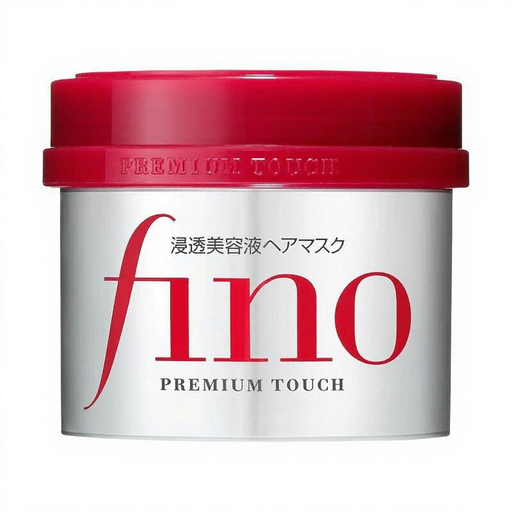
Why it's a great fit: Ideal for users whose main goal is to achieve an extremely smooth, supple, and shiny finish, often associated with professional Japanese salon treatments.
This mask avoids the "one-size-fits-all" problem by clearly focusing on intense moisture and smoothing. It is a rich, intensive treatment not intended for users seeking lightweight, volumising care.
The formula contains a combination of Royal Jelly EX, Squalane, and Glutamic Acid that penetrates deep into the hair to provide moisture and smooth the hair's surface.
We have compiled a complete, up-to-date list of products that fully meet these strict selection criteria and German safety regulations.
The frequency of use depends on the condition of your hair and the intensity of the product. As a general guideline: for normal to slightly dry hair, an application every 1-2 weeks is sufficient. For severely damaged or very dry hair, a weekly application can be beneficial, especially at the beginning. Always follow the manufacturer's application recommendations on the packaging.
In common usage, the terms hair treatment and hair mask are often used interchangeably. Both refer to an intensive care product that is left in the hair longer than a normal conditioner to deliver concentrated active ingredients. Technically, a "treatment" might imply a series of applications over a period of time, while a "mask" is often understood as a single application. In practice, however, there is hardly any difference.
Traditionally, a hair mask is applied to towel-dried hair after shampooing. The shampoo opens the hair's cuticle layer, allowing the nourishing ingredients of the mask to penetrate deeply. After the recommended time, the mask is thoroughly rinsed out. A subsequent conditioner can help to close the cuticle layer again, sealing the nourishing ingredients inside the hair. However, some lighter products or 4-in-1 masks can also be used as a pre-shampoo treatment or a leave-in conditioner. Check the instructions for the specific product.