
Lieferung heute & morgen

Qualitätsgarantie

Willkommens-Angebote freischalten: KOSTENLOSE Lieferung | Bis zu 80 % RABATT | Kostenlose 30-Tage-JoyPlus-Testphase
App herunterladen
Crispbread is more than just a dry cracker. It's a versatile, quick, and often nutrient-rich alternative to bread that can be adapted to a wide variety of diets. Whether for a quick breakfast, a light snack, or as a base for creative toppings, the selection on the shelf can be overwhelming. From classic rye crispbread to gluten-free options and protein-packed lentil cakes, there's a perfect product for every need.
This article serves as your guide. We'll introduce different types of crispbread and explain which features are relevant to your individual needs, so you can make an informed decision when it's time to buy crispbread.
To find the right product for you, it's worth paying attention to the details. Three criteria are particularly helpful.
The base of crispbread is grain. Traditionally, whole rye flour is used, which provides the typical robust flavour and a high fibre content. Products made from 100% whole grains are a great choice, as they contain more nutrients and fibre than those made from refined flour.
For individuals with gluten intolerance or coeliac disease, there is a growing selection of gluten-free crispbread. These are often made from corn, rice, or buckwheat flour. A modern and nutrient-rich option includes cakes or crackers made from legumes, such as lentil cakes. Those who value organic farming will also find a wide range of organic crispbread.
A healthy crispbread is characterised by a balanced nutritional profile. Two values are particularly important here:
Also, pay attention to the sugar content. Ideally, it should be as low as possible and come mainly from the natural ingredients.
Many crispbreads are naturally suitable for special diets. Most traditional varieties are vegan, as they are made without animal products like milk or eggs. Nevertheless, a quick check of the ingredient list or relevant labels is always advisable, as some recipes may contain whey powder or other milk components. For a gluten-free diet, an explicit "gluten-free" label is essential to rule out contamination.
Based on these criteria, we have compiled a selection of different crispbread types that cater to various needs.
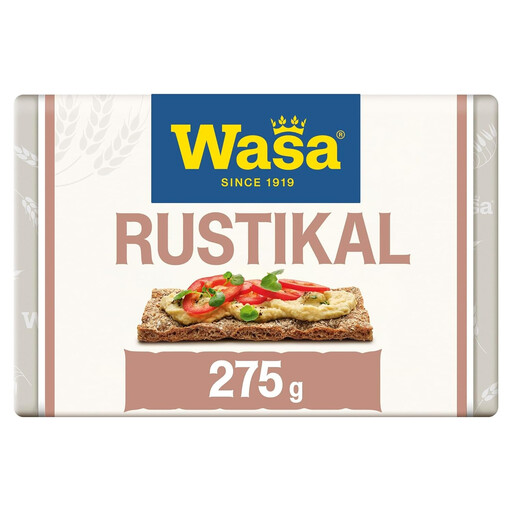
Why it stands out: Wasa Rustic is a classic for fans of traditional crispbread flavour. It is made exclusively from whole rye flour and refined with rye bran, giving it an especially crisp texture and an intense, savoury taste. With 20 g of fibre per 100 g, it is a very high-fibre option.
Pros:
Who is it for? This crispbread is ideal for anyone who prefers a strong flavour and is looking for a high-fibre product for their daily diet. It pairs perfectly with savoury toppings like cheese, cold cuts, or fresh vegetables.
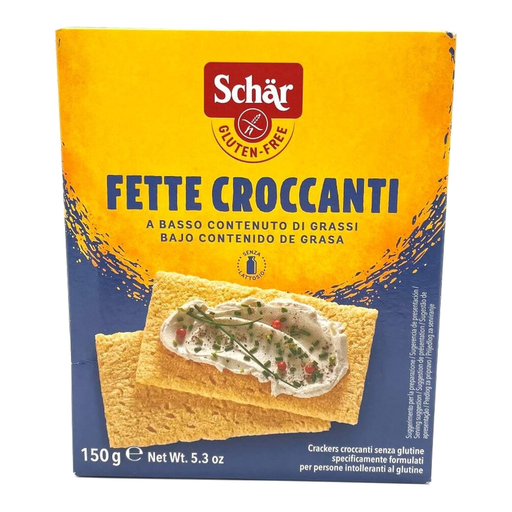
Why it stands out: Sch?r's crispbread was specially developed for people with intolerances. It is certified gluten-free and lactose-free. The base of rice and corn flour provides a light, airy texture and a mild flavour that can be paired with a wide range of toppings. The recipe is also free from palm oil and preservatives.
Pros:
Who is it for? An excellent choice for individuals with coeliac disease, gluten or lactose intolerance. Due to its subtle flavour, it is also popular with children and serves as a straightforward base for any type of snack.
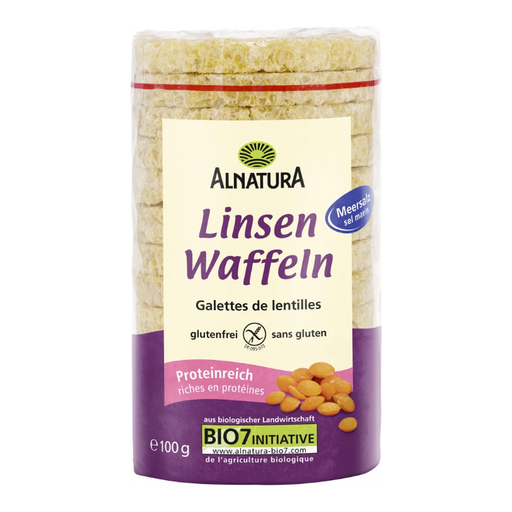
Why it stands out: The Alnatura Lentil Waffles are a modern alternative to bread and classic crispbread. They consist of just two ingredients: organic lentil flour and sea salt. With 27 g of protein per 100 g, they are exceptionally high in protein while also being gluten-free and vegan.
Pros:
Who is it for? Ideal for athletes, vegans, and anyone looking for a high-protein and high-fibre addition to their meals. The minimalist ingredient list makes them a great choice for health-conscious consumers who want to avoid additives.
The world of crispbread is diverse, offering the right product for every taste and dietary need. If our selection didn't include the ideal crispbread for you, there are many more varieties to discover.
Browse our entire range of Crispbread and Flatbread to find more varieties made from different grains and for special dietary requirements.
The main difference is the water content. After baking, crispbread is dried, which removes almost all its moisture. The result is its signature crispy texture and a very long shelf life. Conventional bread, on the other hand, is soft and has a much higher water content.
Not necessarily. You can identify a healthy crispbread by its short ingredient list, a high proportion of whole grains, and a high fibre content. Look for products without added sugar or high amounts of fat. Ultimately, the topping also plays a crucial role in the overall nutritional value of the meal.