
Lieferung heute & morgen

Qualitätsgarantie

Willkommens-Angebote freischalten: KOSTENLOSE Lieferung | Bis zu 80 % RABATT | Kostenlose 30-Tage-JoyPlus-Testphase
App herunterladen
The selection of helmets on the market can be overwhelming. Whether for the daily commute to work, a weekend sports tour, or a child's first attempts at riding, a suitable helmet is essential. This article serves as a guide, introducing different helmet types and their features to help you make an informed decision. We will examine the criteria relevant for a city helmet, a mountain bike helmet, or a skate helmet.
Before you decide on a model, there are some fundamental aspects to consider. These criteria help to objectively evaluate a helmet's functionality and safety.
A helmet can only provide effective protection if it fits correctly. It should sit firmly on your head without feeling tight and must not shift during movement.
In Europe, the EN 1078 standard is the benchmark for helmets for cyclists and for users of skateboards and roller skates. This certificate confirms that the helmet meets basic requirements for shock absorption and construction.
The requirements for a helmet vary depending on the activity.
Here you will find a selection of models that cater to different needs—from a playful kids' helmet to a functional helmet for adults.
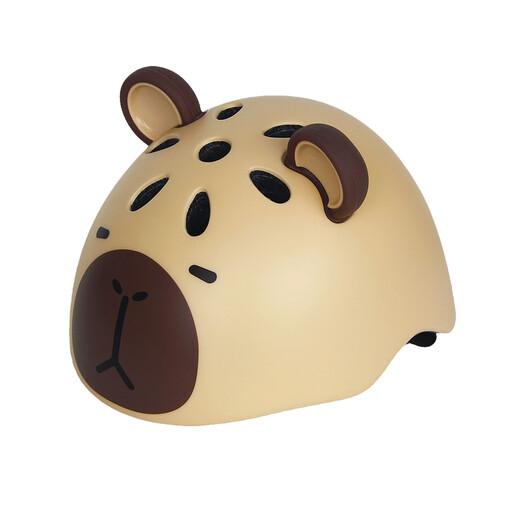
ACTION,INLINE SKATE,PW-903-CB helmet XS
Why it stands out: This model combines safety with an appealing design. The capybara motif with soft 3D ears makes the helmet attractive to children and encourages them to wear it when cycling, scootering, or as an inline skate helmet.
Advantages:
Who is it for? Parents looking for a safe and visually appealing kids' helmet for various leisure activities.
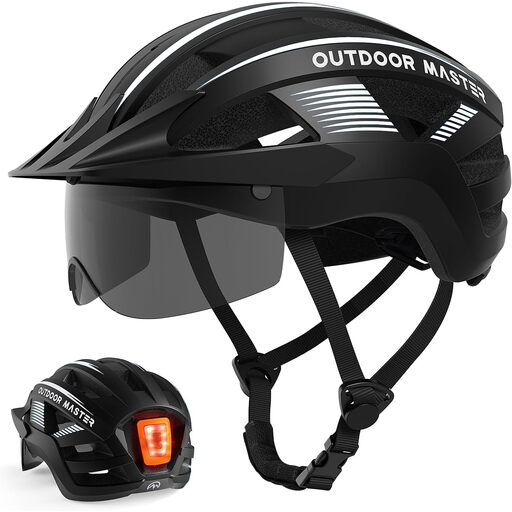
OutdoorMaster Cycling Helmet RhinoUrban With Goggles&Light Black L
Why it stands out: This helmet is tailored to the needs of urban cyclists and e-bike users. It combines a rechargeable rear light with magnetically detachable goggles that act as a visor.
Advantages:
Who is it for? Cyclists who commute daily in the city or are looking for an e-bike helmet with additional safety and comfort features like integrated lighting and eye protection.

OutdoorMaster Oryx Adults Skateboard Cycling Helmet -Black M
Why it stands out: With its robust ABS hardshell and classic design, the Oryx is a versatile helmet. It is suitable not only as a bike helmet but also as a skate helmet or for riding BMX and scooters.
Advantages:
Who is it for? Active individuals who need a durable and versatile helmet for various sports activities such as skating, cycling, or rollerblading.
The models presented here already cover a broad spectrum. If you haven't found the right product for your specific needs, you can find more options for different uses and in various designs.
Browse our entire selection of helmets to find the perfect model for your needs.
Measure your head circumference at its widest point, about a finger's width above your eyebrows, using a flexible measuring tape. Compare the measurement with the manufacturer's size chart. A well-fitting helmet should sit level on your head and not shift significantly even with the chin strap unbuckled.
A helmet should be replaced after any significant impact or fall, even if there is no visible external damage. The internal shock-absorbing structure may be compromised. Regardless of falls, most manufacturers recommend replacing a helmet after about 3 to 5 years, as the material can degrade over time due to UV radiation and weather exposure, reducing its protective capabilities.
Many helmets are certified for multiple sports. A helmet with the EN 1078 standard is approved for both cycling and skating. Classic skate helmets often have a rounder shape and fewer ventilation openings than dedicated bike helmets. For short distances in the city, a skate helmet is often sufficient, but for longer, more strenuous bike tours, a lighter helmet with better ventilation is more comfortable.