
Lieferung heute & morgen

Qualitätsgarantie

Willkommens-Angebote freischalten: KOSTENLOSE Lieferung | Bis zu 80 % RABATT | Kostenlose 30-Tage-JoyPlus-Testphase
App herunterladen
The search for a new vacuum cleaner can quickly become overwhelming. Manufacturers advertise high wattages, innovative technologies, and special filters. But not every claim delivers on its promise. A vacuum with a HEPA filter is often the right choice for a clean home, especially for allergy sufferers or pet owners. However, there are pitfalls here too that can lead to a bad purchase. This guide will help you identify the crucial features and avoid marketing traps.
Before you make a decision, you should be aware of the most common misconceptions that often lead to disappointment.
To find the right vacuum cleaner, focus on these three objective criteria.
A HEPA filter is essential for an allergy-friendly vacuum cleaner. These filters are classified according to European standards. Look for the following designations:
A washable HEPA filter can save money, but it must dry completely after cleaning to prevent mould growth and motor damage.
The choice between a bagged vacuum cleaner and a bagless model depends on personal preference.
Bagged Canister Vacuums:
Bagless Vacuum Cleaner (e.g., Cyclonic Vacuum):
The included nozzles determine how well a vacuum is suited to your specific needs. A good switchable floorhead is the foundation for hard floors and carpets. For households with pets, a special turbo brush or upholstery tool for removing pet hair is an important accessory for a vacuum for pet hair. A carpet washer offers additional functions for wet cleaning carpets and upholstery. Also, pay attention to the operating radius (cord length plus hose length) to avoid frequently switching power sockets.
Here are some models that represent a considered choice for different user profiles based on their objective features.
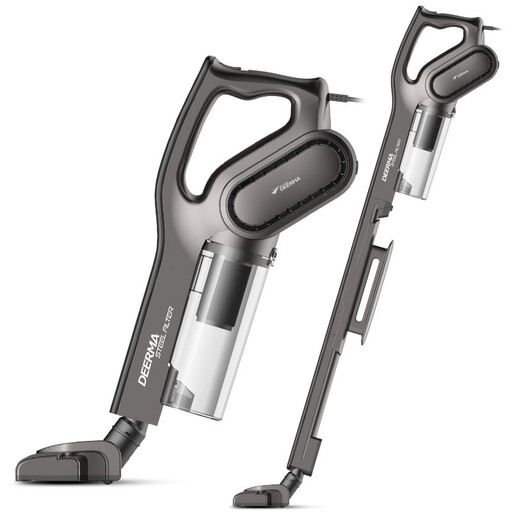
Why This Fits Their Persona: Ideal for smaller apartments or as a secondary device. This model focuses on essential functions without costly extras. Its lightweight design and convertibility to a handheld vacuum offer flexibility for quick clean-ups.
This unit bypasses the watt myth by delivering a focused 15 kPa of suction power with its 600W motor, perfect for everyday dirt. It includes HEPA filtration and avoids the cost trap of an expensive primary appliance.
Advantage: 3-in-1 design (floor, handheld, and crevice vacuum). Pros: Very lightweight (2.2 kg), bagless with a visible dust container.
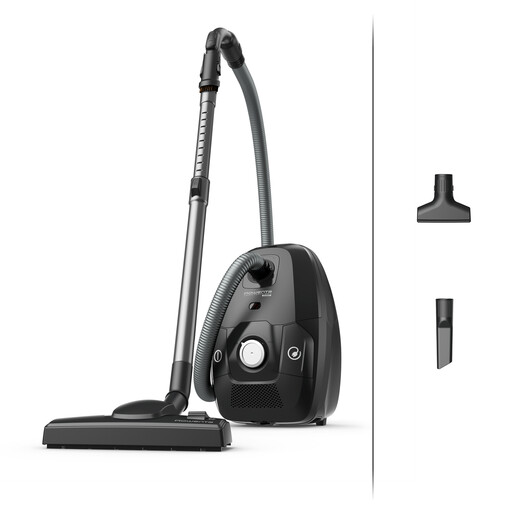
Why This Fits Their Persona: For households where clean air and low noise levels are a priority. This model combines high filtration performance with a hygienic bag system, minimising contact with allergens.
This model avoids the trap of vague filter descriptions. According to the manufacturer, its HEPA filtration captures 99.98% of particles, providing a clear and verifiable claim for clean exhaust air.
Advantage: Very quiet operation at 65 dB(A). Pros: Large 12-metre operating radius, hygienic bag system (Hygiene+ bags).
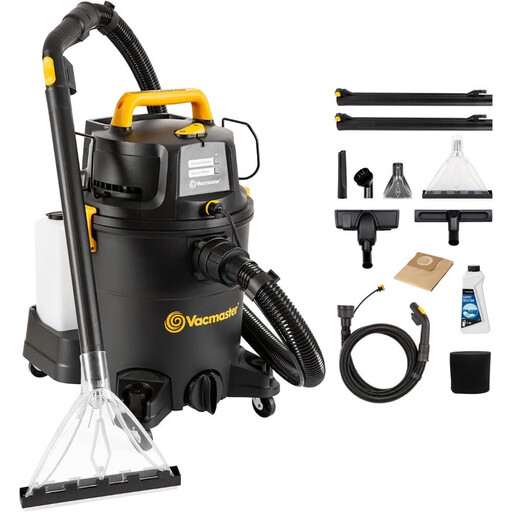
Why This Fits Their Persona: For users who need more than just dry vacuuming. This appliance is designed for deep-fibre cleaning of carpets, upholstery, and car seats, as well as for vacuuming up liquid spills.
This model is a specialist, avoiding the compromise of a "jack-of-all-trades" with weak performance. It offers a clear 3-in-1 function (wet, dry, and shampoo vacuuming) with a dedicated filter system, including HEPA material for dry operation.
Advantage: Multifunctional for wet, dry, and shampoo cleaning. Pros: Large capacity (23 L), separate tank design for clean and dirty water.
We have compiled a complete, up-to-date list of products that fully meet these strict selection criteria and relevant safety standards.
1. How often should a HEPA filter be cleaned or replaced? This depends on the model and frequency of use. For washable filters, many manufacturers recommend cleaning them under running water every 1-3 months. It is crucial to let the filter air-dry completely for at least 24 hours before reinserting it. Non-washable HEPA filters should typically be replaced every 6 to 12 months to ensure optimal filtration performance. Always follow the manufacturer's instructions.
2. Is a vacuum with a HEPA filter louder than other models? Not necessarily. A vacuum's noise level is determined by the motor insulation, airflow, and housing design, not the filter type. There are many very quiet vacuums (under 70 dB) equipped with high-efficiency HEPA filters, such as the Rowenta vacuum from our selection.
3. What is the difference between a HEPA filter and a cyclonic vacuum? These are two different aspects of a vacuum cleaner. Cyclonic technology is a dust separation system in bagless appliances where air is spun at high speed to separate dirt particles via centrifugal force. The HEPA filter is a downstream component responsible for the fine filtration of the exhaust air, removing the smallest particles. Therefore, a cyclonic vacuum can and should also be equipped with a HEPA filter to guarantee clean exhaust air.