
Lieferung heute & morgen

Qualitätsgarantie

Willkommens-Angebote freischalten: KOSTENLOSE Lieferung | Bis zu 80 % RABATT | Kostenlose 30-Tage-JoyPlus-Testphase
App herunterladen
A well-chosen highlighter can define the face, lend it a fresh radiance, and accentuate specific features. However, the market is saturated with products that promise a flawless "glow" but often fail to deliver. Many buyers invest in products that look unnatural, emphasize skin texture, or are simply overpriced. This guide will help you identify the crucial features and make an informed choice.
Before we delve into the selection criteria, it's important to see through the common marketing promises that often lead to a bad purchase.
To avoid these traps, you should focus on the objective product characteristics. Three parameters are of central importance here.
The texture significantly determines the application experience and the final result. Each form has specific advantages and disadvantages that suit different skin types and preferences.
A high-quality highlighter for glow is distinguished by its particle size. Look for products with finely milled, pearlescent pigments. These reflect light evenly and create a silky sheen that makes the skin appear smooth and even. In contrast, formulations with visible glitter particles can unflatteringly emphasize skin texture. Product descriptions that include terms like "silky finish," "light-reflecting pigments," or "melts into the skin" often indicate a finer texture.
Specific formulation claims can be an important criterion for many users.
The interplay with other products, such as a contouring powder, is also relevant. A highlighter should blend seamlessly over or next to a contour product without becoming patchy.
Based on the criteria mentioned, we have identified some products that are suitable for different user profiles.
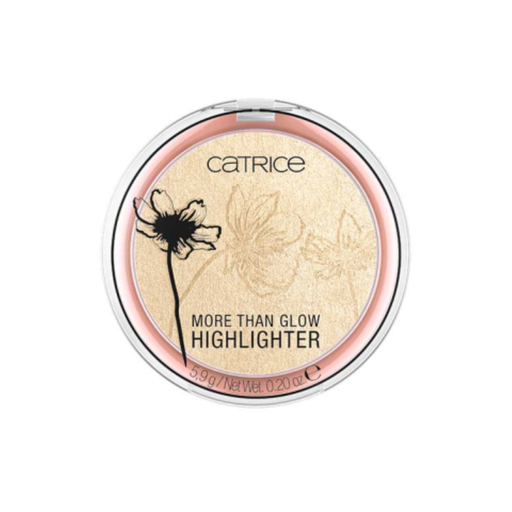
Why This Fits Their Persona: Ideal for users looking for a reliable product at an accessible price. The powder texture is straightforward to use, and the intensity is easy to build, making it perfect for those just starting with highlighter.
The baked powder texture is silky and contains fine shimmer particles instead of coarse glitter. This avoids the "glitter bomb" trap and creates an even sheen.
The formulation is vegan, and the texture blends beautifully without looking patchy. The shade 010 Ultimate Platinum Glaze is a light champagne tone that suits many light to medium skin tones.
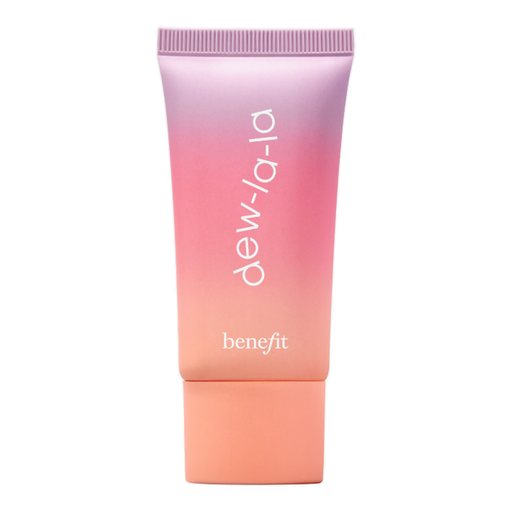
Why This Fits Their Persona: Perfect for users with normal to dry skin who are aiming for a glossy, skin-like finish. The liquid formula is ideal for achieving a natural, lit-from-within effect.
This product bypasses the trap of overpriced formulas because its skincare ingredients (hyaluronic acid, niacinamide) support the liquid texture's function by providing hydration, thus enhancing the desired dewy finish.
The lightweight, fast-absorbing formula is versatile: use it alone, under, or mixed with foundation. It provides a long-lasting, hydrating glow without a sticky feeling.
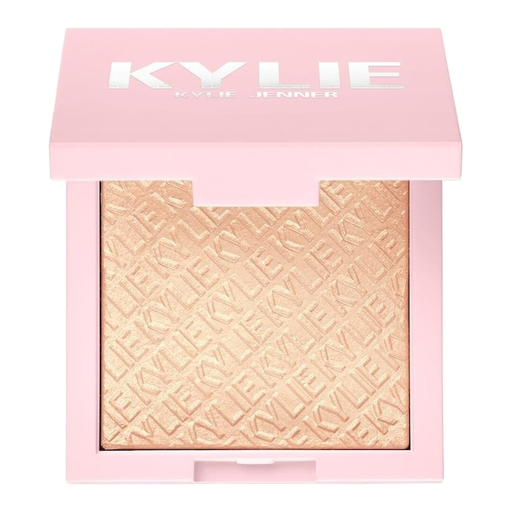
Why This Fits Their Persona: For makeup enthusiasts who want a highly pigmented, buildable highlighter with a striking finish. The formulation is designed for an intense yet refined look.
Thanks to its gel-to-powder technology and talc-free formula, the product melts into the skin without leaving a powdery or chalky finish. It doesn't emphasize skin texture but instead provides a soft-focus effect.
The formulation is vegan and gluten-free. The high concentration of pearlescent pigments delivers immediate, multidimensional luminosity that can be built from a subtle shimmer to an intense highlight.
We've compiled a complete, up-to-date list of products that fully meet these strict selection criteria.
To avoid a patchy result, preparation is key. Ensure your foundation or base has fully set or been fixed with powder before you apply a powder highlighter. Use a loose brush (like a fan brush) and tap off any excess product. Apply the highlighter in light, sweeping motions. For liquid or stick products, it's often easiest to gently tap them in with your fingers or a damp sponge, rather than wiping.
Highlighter and contouring powder have opposite functions. Highlighter accentuates areas by reflecting light (cheekbones, bridge of the nose, brow bone), while contouring creates depth through shadow, making areas recede (under the cheekbones, at the temples). So, they are not used for the same purpose but complement each other to add dimension to the face.
Choosing the right shade prevents an "ashy" look. As a general guide: