
Lieferung heute & morgen

Qualitätsgarantie

Willkommens-Angebote freischalten: KOSTENLOSE Lieferung | Bis zu 80 % RABATT | Kostenlose 30-Tage-JoyPlus-Testphase
App herunterladen
Choosing a new hob can quickly become overwhelming. The market is filled with different technologies, features, and designs, all promising to revolutionise your cooking experience. However, not every innovation is genuinely useful in daily life. As a Joybuy Product Recommendation Officer, I'll help you separate the essential features from the gimmicks and find a hob that truly fits your needs.
Many buyers fall into common pitfalls that lead to frustration and unnecessary expenses. These include:
To avoid these pitfalls, it's crucial to understand the fundamental parameters that define a good hob.
The choice of heating technology is the most important decision. Each has specific advantages and disadvantages that suit different cooking styles.
Induction Hob: An electromagnetic field heats only the base of the cookware, not the hob surface itself.
Ceramic Hob (Glass-Ceramic Hob): Heating coils beneath the glass-ceramic surface glow red and transfer heat to the cookware.
Gas Hob: Cooking is done with an open flame, allowing for instant and finely-tuned heat regulation.
The form factor determines how flexibly you can integrate your hob into the kitchen.
Independent Hob: This is the most common type. The hob has its own controls and can be installed into the worktop independently of the oven. This allows for flexible kitchen design, for example, with a wall-mounted oven. The standard width for a built-in hob with four zones is 60 cm.
Range-Bound Hob: This hob is part of a freestanding cooker and is controlled via the knobs on the oven. This solution is less flexible but is often a cost-effective option for a complete cooking station.
Portable Hobs: For small kitchens, student flats, camping, or as an extra cooking option, portable hobs are ideal. A portable induction hob or a double induction hob offers the benefits of induction technology without complex installation.
Instead of presenting an overwhelming list, we have selected models that meet specific needs and avoid common purchasing traps.
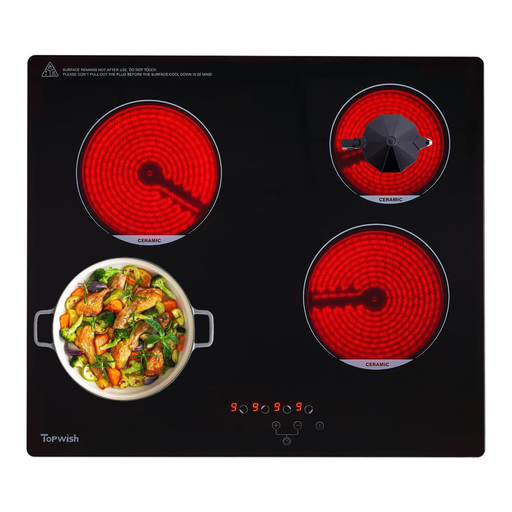
Why this model is a great fit: A solid and affordable solution for standard kitchens. It offers all the necessary basic functions like a timer and child lock without inflating the price with rarely used extras. Ideal for first-time kitchen setups or rental properties.
This ceramic hob completely bypasses the "Compatibility Problem" as it works with any existing flat-bottomed cookware. There are no follow-up costs for new pots and pans.
Universal cookware compatibility and an easy-to-clean, smooth surface. The touch controls are intuitive and straightforward.
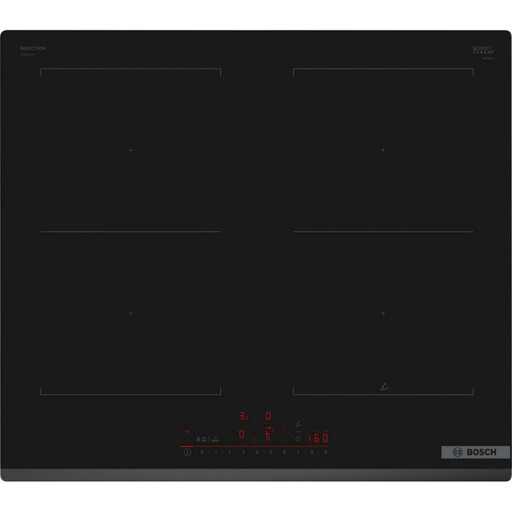
Why this model is a great fit: For anyone who values speed, precision, and flexibility. The CombiZone function allows two cooking zones to be linked into one large area—ideal for roasting pans, griddle plates, or large pots.
This hob avoids the "Feature Trap" because the CombiZone offers real practical value rather than being a mere gimmick. It expands your cooking options and isn't a superfluous smart function.
Fast, energy-efficient cooking thanks to induction, and a flexible cooking zone for large cookware. The DirectSelect control is also highly intuitive.
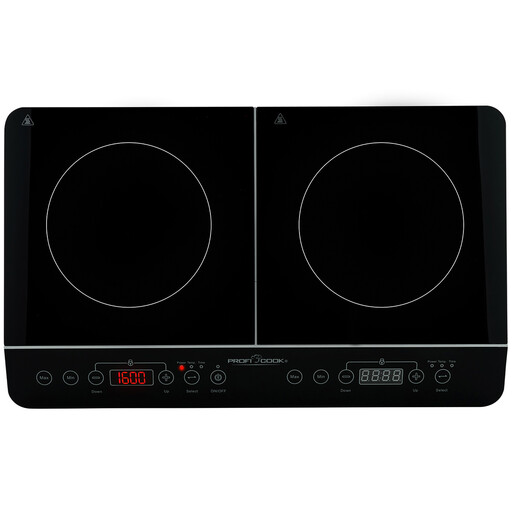
Why this model is a great fit: The ideal solution for small apartments, a garden house, or as a supplement to your main kitchen. This double hob requires no fixed installation, just a power socket, and offers the efficiency of induction in a compact footprint.
This appliance is a purpose-driven solution that avoids the high cost and complexity of a full-sized built-in hob. It's a pragmatic answer to a specific need for flexibility and mobility.
Ready to use out of the box, portable, and energy-efficient. The two cooking zones can be controlled independently, allowing for great flexibility while cooking.
Some modern kitchen concepts rely on a hob with an integrated downdraft extractor. We have compiled a selection of products that offer this feature and meet our criteria.
An induction hob is generally more energy-efficient than a ceramic hob. Because energy is transferred directly to the base of the pot with very little heat loss to the surroundings, water boils faster and electricity consumption per cooking session is lower. According to manufacturers and consumer organisations, savings can be between 20–30%, depending on usage habits. Over the appliance's entire lifespan, this can offset the slightly higher initial purchase price.
This is strongly discouraged. An independent hob must be connected to a high-voltage power supply (e.g., 240V in the UK, 240V in the US). For safety reasons and to comply with legal regulations and local electrical codes, this work should only be carried out by a qualified electrician. Improper installation can lead to appliance damage, fires, and will void your warranty and insurance claims.
The average lifespan of a high-quality hob is approximately 10 to 15 years. This depends heavily on the intensity of use, the quality of the components, and how well it is maintained. To maximise its lifespan, the glass-ceramic surface should be cleaned regularly with appropriate products and protected from scratches or impacts from heavy pots.