Families sharing a holiday lunch
When several people are eating together, it’s worth considering rolls that are easy to fill, everyone’s different tastes and when you want to serve them.


For a family lunch during the school holidays, choosing the right type of bread roll matters more than whether it’s labelled ‘premium’. Seeded varieties work well for filled rolls, while classic or rustic options suit different tastes. Fresh rolls from the bakery counter can be served straight away, whereas part-baked rolls need time in the oven. If anyone has an allergy, check the information for the specific product.
When several people are eating together, it’s worth considering rolls that are easy to fill, everyone’s different tastes and when you want to serve them.
If you prefer wholemeal or seeded rolls, check the ingredients and nutrition information for the specific variety rather than relying on the product name alone.
If children or guests need to avoid certain ingredients, check the current packaging or the allergen information for unpackaged rolls from the bakery counter.
If anyone has an allergy, start by checking the information for the specific product. Otherwise, the fillings you have in mind, the texture you want and when you plan to serve the rolls can help you choose between seeded, classic, rustic and part-baked varieties.
| What matters to you | What to look for | Who it matters to |
|---|---|---|
| A good base for fillings | Compare the ingredients, texture and, where relevant, fibre per 100 g for the specific variety. | For filled rolls at lunchtime, I want a hearty base that works with the fillings I’ve planned. This would be the top priority for around 36% of consumers. |
| Flavour and texture | Choose a crust, grain and roll that suit your planned fillings; check the manufacturer’s information for the variety. | For a special meal together, I want the rolls to complement the food in flavour, too. Around 29% of consumers would prioritise this. |
| Ingredients and allergens | For packaged rolls, check the current packaging. For unpackaged rolls, ask the retailer for allergen information. | If someone at the table needs to avoid certain ingredients, I need reliable information about the specific rolls before I buy. This would be the main buying priority for around 21% of consumers. |
| When you plan to serve them | Choose between rolls that are ready to serve and part-baked rolls. For the latter, allow time for the oven and baking. | I want lunch on the table without unnecessary time pressure, even if the time changes. That’s why around 14% of consumers would focus mainly on preparation. |
A label like this doesn’t tell you whether a roll is suitable for someone with an allergy or intolerance. For example, EDEKA lists possible traces of soya and sesame in one of its gluten-free baker’s rolls.
For packaged rolls, read the current packaging. For unpackaged rolls, ask the retailer for allergen information.
Part-baked rolls need an oven and time to finish baking. Baking times can vary depending on the variety and oven.
Before you buy, decide whether you want to serve the rolls straight away or finish baking them at home, and follow the preparation instructions on the pack.
Individual varieties may differ depending on the branch or the time of day.
If you’re buying for a larger holiday gathering, check what your chosen branch has available and have a suitable alternative in mind.
Packaged part-baked rolls, including gourmet and wholemeal varieties.
Part-baked rolls and selected speciality products, including a gluten-free baker’s roll.
A bakery range with various types of bread and rolls for your same-day shop.
In-store bakery goods and part-baked products, with classic and heartier varieties.
A regional supplier in Hesse, specialising in artisan-style bread and rolls.
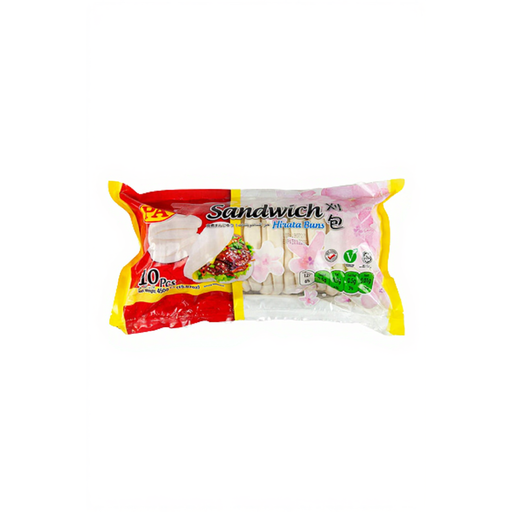
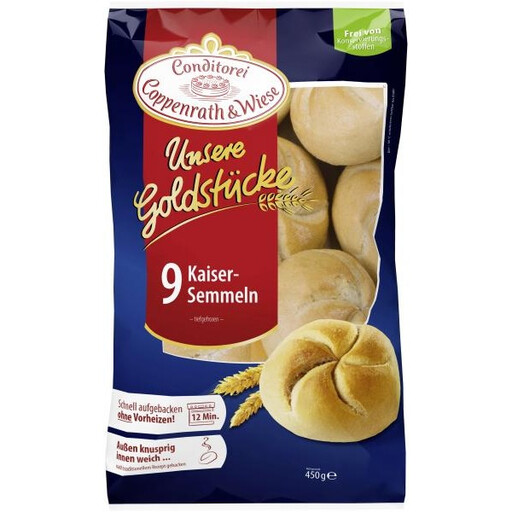
This selection includes hearty part-baked rolls, classic part-baked Kaiser rolls and soft sandwich buns for fillings. The buns are steamed, so they’re not a substitute for crusty rolls.
 No image available
A hearty roll option for lunch together. Allow time to bake them in the oven before serving.
Pack size: 300 g. If anyone has an allergy, check the information on the current packaging.
 No image available
For a lunch of filled, soft buns instead of classic crusty rolls. Prepare them by steaming.
Pack contains: 10 pieces, 450 g in total. If anyone has an allergy, check the current packaging.
 No image available
A classic roll option for sharing, if you have time to finish baking them in the oven before lunch.
Pack contains: 9 pieces, 450 g in total. Follow the preparation instructions and check the allergen information on the current packaging.
No. They’re best if everyone likes a hearty base for the fillings you’re planning. Texture, flavour and allergens depend on the specific variety. For example, REWE lists wheat and oats in its wholemeal rolls, as well as possible traces of sesame, soya and lupin.
Follow the instructions for the variety you’ve bought, and allow for preheating if needed. REWE recommends baking its gourmet rolls for around 6–8 minutes at 200 °C using conventional top and bottom heat, or at 180 °C with a fan oven. EDEKA gives a baking time of 8–10 minutes for its breakfast rolls. The actual time depends on your oven.
In Germany, information about relevant major allergens must be provided for unpackaged rolls, as explained by the Verbraucherzentrale in its guidance on labelling unpackaged goods. Ask the retailer for allergen information about the specific variety. For packaged rolls, check the current packaging.
It can help you make a choice, but it’s important to check the labelling on the product you’re buying. EDEKA notes that information on product pages may differ from what’s on the packaging. For unpackaged goods, check the information provided by the retailer.