
Lieferung heute & morgen

Qualitätsgarantie

Willkommens-Angebote freischalten: KOSTENLOSE Lieferung | Bis zu 80 % RABATT | Kostenlose 30-Tage-JoyPlus-Testphase
App herunterladen
Regularly monitoring your blood pressure at home is a crucial part of health management for many people. However, the market for blood pressure monitors can be overwhelming. Countless models with a wide array of features make the decision difficult. Anyone looking to buy a blood pressure monitor often faces the question of which features truly matter and which are merely marketing promises. This guide will help you navigate common pitfalls and find a device that fits your needs.
As your Joybuy Product Recommendation Officer, I will filter the relevant information for you so you can make an informed decision.
Before we dive into the important criteria, let's look at three common issues that can lead to inaccurate measurements or a poor purchase:
To find an accurate blood pressure monitor that reliably serves its purpose, you should check three core parameters.
The reliability of the readings is the most important criterion. Ensure the device is certified as a medical product (identifiable by the CE mark followed by a four-digit number of the notified body). This guarantees that it complies with strict European regulations for medical devices. Some manufacturers also state that their devices have been clinically validated according to protocols from organisations like the European Society of Hypertension (ESH).
The choice between an upper arm blood pressure monitor and a wrist model depends on your personal preferences and requirements.
Modern devices offer a range of extra functions. Consider which of these provide real value for you:
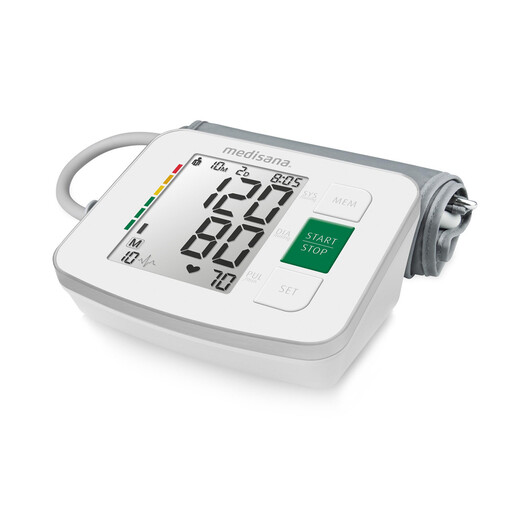
Why This Fits Their Persona: Ideal for users seeking a reliable and easy-to-use device for daily monitoring. The large digits and simple operation make it particularly suitable for seniors.
This device intentionally omits complex app features, focusing on the core functions: accurate measurement, easy readability, and memory for two users. This sidesteps the cost trap of unnecessary smart features.
Very large, easy-to-read display; classification of readings via a traffic light colour scale; memory for 2 users with 90 slots each.
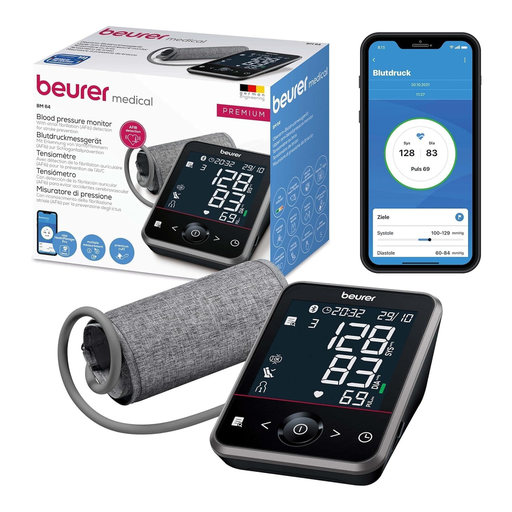
Why This Fits Their Persona: Perfect for users who want to digitally manage and analyse their health data. The Bluetooth connection to the app allows for seamless documentation and synchronisation with other health platforms.
This model offers meaningful smart features that go beyond pure marketing. The AFib detection and patented resting indicator contribute to measurement accuracy and provide real value for health monitoring.
Advanced arrhythmia detection (atrial fibrillation); Bluetooth data transfer to the "Beurer HealthManager Pro" app; cuff position control.
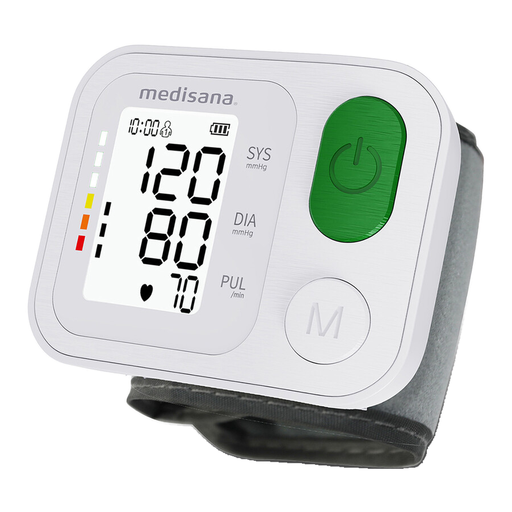
Why This Fits Their Persona: Its compact design and practical storage case make this device a great companion for on the go. It allows for quick and easy measurement while travelling or at work.
As a certified medical device, it provides a reliable basis for measurement. To avoid the pitfall of inaccurate wrist measurements, it is crucial to follow the user manual's instructions for correct positioning at heart level.
Compact and lightweight design; large buttons for easy operation; memory for 2 users with 199 slots each; includes storage case.
We have compiled a complete, up-to-date list of products that fully meet these strict selection criteria and rigorous safety standards.
1. How often should a blood pressure monitor be calibrated? There is no legal requirement for calibrating privately used devices. However, most manufacturers recommend a technical inspection every two years to ensure accuracy. Check the recommendation in your device's manual. An inspection is also advisable if you suspect inaccurate readings, for example, after the device has been dropped.
2. Which arm should I use for blood pressure measurement? Perform the initial measurements on both arms. If the values consistently differ, you should use the arm with the higher readings for future measurements and discuss this with your doctor. Otherwise, it is recommended to always use the same arm to keep the readings comparable.
3. Do weak batteries affect measurement accuracy? Yes, an insufficient power supply can lead to malfunctions and inaccurate results. Replace the batteries as soon as the corresponding symbol appears on the display. Use the battery types recommended by the manufacturer. Some devices also offer the option of being powered by a mains adapter, which can be practical for frequent use.