
Lieferung heute & morgen

Qualitätsgarantie

Willkommens-Angebote freischalten: KOSTENLOSE Lieferung | Bis zu 80 % RABATT | Kostenlose 30-Tage-JoyPlus-Testphase
App herunterladen
An espresso maker, often called a moka pot or stovetop coffee maker, is the epitome of Italian coffee culture for many coffee lovers. The preparation is a ritual, and the result is a strong, aromatic coffee. However, choosing the right model comes with a few pitfalls that can quickly lead to buyer's remorse. Before you decide on a model, you should be aware of the most common issues to make an informed decision.
The three most common disappointments when buying are:
This guide will help you navigate these pitfalls and find the right model for your needs.
To find the perfect Italian coffee maker, you should carefully examine three technical parameters. These determine its functionality, durability, and everyday usability.
The material directly impacts heat conduction, weight, and compatibility with your type of stove.
The size specification on espresso makers is one of the most common sources of misunderstanding. The stated number of cups refers to small espresso cups with a volume of about 30 to 50 ml.
Before buying, measure how much coffee you typically want to prepare and choose the size based on the total volume in millilitres, not just the cup count.
Not every espresso maker works on every stove. Check the product description carefully for compatibility.
Here is a selection of models tailored to specific needs and households.
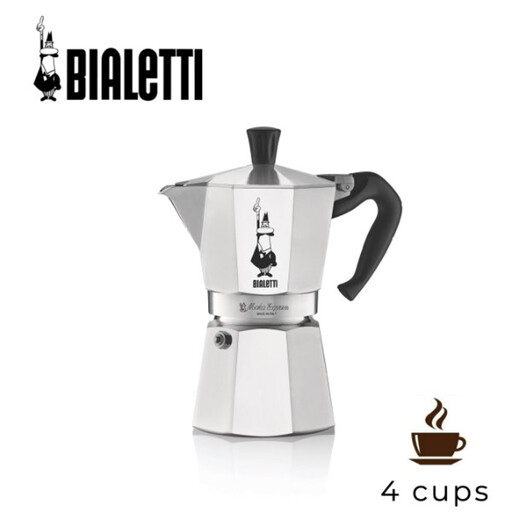
Why This Fits Their Persona: Ideal for purists who appreciate the authentic taste and design of the Italian classic, proven since 1933. Perfect for use on traditional gas or electric stoves.
The clear product description indicates that this model is for gas and electric stoves, but not for induction. The 4-espresso-cup size is a common household size.
Made from durable aluminium for even heat distribution and rich coffee extraction. Timeless, octagonal design.
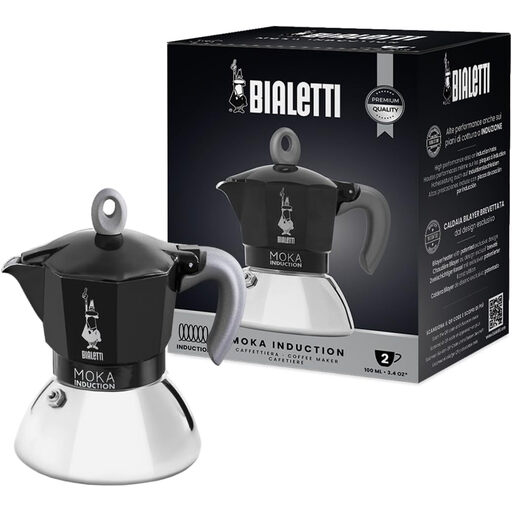
Why This Fits Their Persona: Designed for households with modern kitchens. This model combines the classic design with the necessary technology for induction cooktops, without sacrificing the Bialetti experience.
Solves the compatibility problem directly: The stainless steel boiler makes the pot suitable for all stovetops, including induction. This bypasses the trap of an incompatible pot.
Combination of an aluminium top for traditional flavour and a stainless steel boiler for modern functionality. Retains the iconic design.
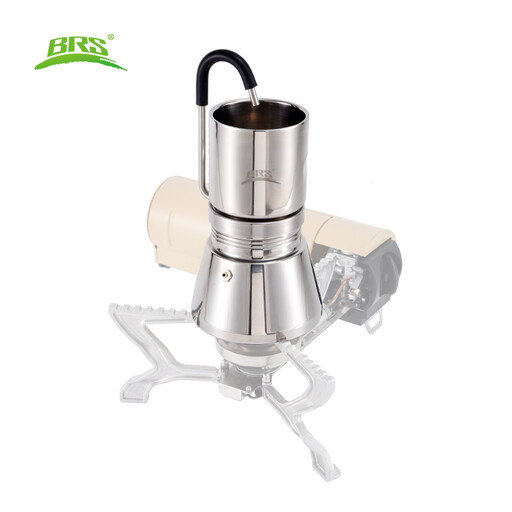
Why This Fits Their Persona: For campers and outdoor enthusiasts who don't want to miss out on a strong coffee on the go. This pot is robust, lightweight, and designed for use on gas stoves or over an open fire.
The material is the decisive factor here. The construction of food-grade stainless steel prevents corrosion and deformation, even with rough handling on a camping espresso maker.
Extremely durable and compatible with various heat sources like gas stoves or campfires. The absence of plastic parts increases its heat resistance.
We have compiled a complete, real-time updated list of products that fully meet these strict selection criteria and all relevant safety regulations.
The recommended cleaning method, especially for aluminium pots, is to rinse all parts with warm water immediately after they have cooled down. Do not use washing-up liquid or put the pot in the dishwasher. This could damage the aluminium and remove the protective patina that forms over time and enhances the coffee's flavour. Dry all parts thoroughly before screwing them back together.
Induction cooktops generate heat through an electromagnetic field. For this to work, the cookware must be made of a ferromagnetic material, such as cast iron or certain stainless steel alloys. Aluminium is not magnetic and therefore cannot be heated by the induction field. If you own an induction stove, you need an espresso maker for induction with a stainless steel base or a special adapter plate that serves as an intermediate layer.
The right grind size is crucial for a successful brew. For a stovetop pot, the coffee grounds should be a medium-coarse grind—finer than for a drip coffee machine but coarser than for a professional espresso machine. Grounds that are too fine can clog the filter and lead to over-extraction, resulting in a bitter taste. Grounds that are too coarse will let the water pass through too quickly, making the coffee weak and watery.