
Lieferung heute & morgen

Qualitätsgarantie

Willkommens-Angebote freischalten: KOSTENLOSE Lieferung | Bis zu 80 % RABATT | Kostenlose 30-Tage-JoyPlus-Testphase
App herunterladen
With such a wide variety of models and technical terms, the search for the right home espresso machine can quickly become overwhelming. From classic portafilter machines to convenient capsule systems, each type offers distinct advantages. This guide is designed to provide clear direction and objectively highlight the key features of different machine types, helping you make an informed decision that meets your needs.
Three key criteria can help narrow down your options: the machine type, its range of features, and practical considerations like its footprint and cleaning requirements.
The most fundamental decision concerns the coffee preparation method.
Freshly ground beans are essential for a full-bodied aroma. A portafilter machine with a grinder integrates this step, saving space and the cost of a separate device.
There are two main types of milk systems:
Carefully measure the available space in your kitchen. Compact portafilter machines can fit into small areas, while all-in-one units with grinders require more room. Also, consider the capacity of the water tank and bean hopper to avoid frequent refilling.
We have compiled a selection of models based on different user profiles. Many users search online for an independent espresso machine review to guide their choice. Our recommendations are based on objective product features and aim to offer similar guidance.

Why it stands out: The Xiaomi espresso machine combines a very compact build with powerful components. At just 14 cm wide, it fits into even small kitchens without compromising on performance. Its high pump pressure and precise temperature control are remarkable features for a machine in this size class.
Pros:
Who it's for: This model is ideal for beginners entering the world of portafilter machines and for users with limited space. It offers the essential functions for preparing authentic espresso and allows for first steps in milk frothing.
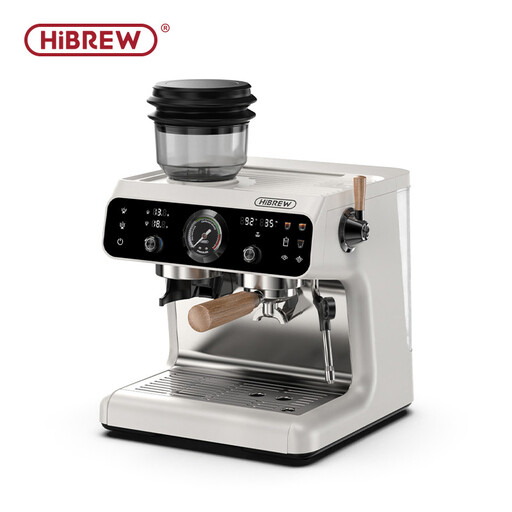
Why it stands out: The HiBREW H7B is an all-in-one solution that combines an adjustable grinder, brew unit, and steam generator in one device. The dual heating system allows for simultaneous espresso brewing and milk frothing, significantly speeding up the workflow. The PID temperature control also offers a high level of precision for this category.
Pros:
Who it's for: This portafilter machine with a grinder is aimed at ambitious home baristas who want to control the entire process from bean to cup and value efficiency and professional features.
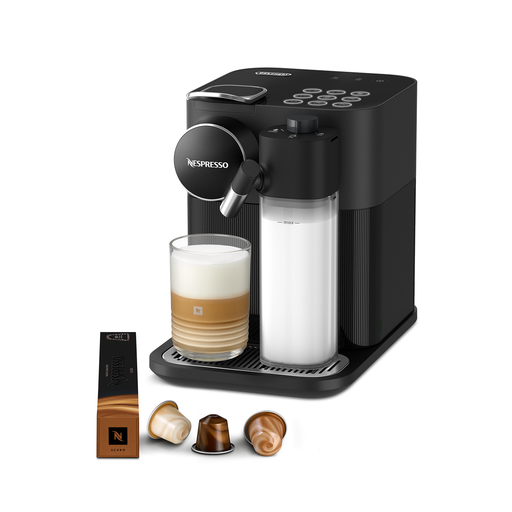
Why it stands out: The Gran Lattissima by De’Longhi is designed for maximum convenience. With its one-touch system, it prepares a variety of coffee and milk specialities at the push of a button. The automatic cleaning system for the milk container simplifies maintenance significantly.
Pros:
Who it's for: Ideal for users looking for a fast, straightforward, and versatile cappuccino machine for this and other milk-based drinks. Anyone who values convenience and a wide selection of recipes will find a suitable solution here.
The models presented cover a range of needs, but the market offers many more options. If you are looking for different features or designs, you may find the right machine in our broader selection.
Discover our entire range of Espresso Machines and find the perfect device for your coffee desires.
A portafilter machine requires manual steps: you grind the coffee, fill the portafilter, tamp it, and lock it into the machine. This gives you full control over the result. A bean-to-cup machine performs all these steps—from grinding the bean to preparing the drink—at the touch of a button. It is more convenient but offers less influence over the brewing process.
For espresso extraction, a pressure of around 9 bar at the group head is considered ideal. Many machines advertise a pump pressure of 15 to 20 bar. This higher value serves to ensure a constant pressure of 9 bar on the coffee puck, even with slight variations in grind size or tamping. However, high pump pressure alone is not a guarantee of good espresso; temperature stability and the quality of the grind are just as crucial.
A machine with an integrated grinder is a space-saving and often more cost-effective solution than buying two separate devices. It ensures that the beans are freshly ground immediately before brewing. A potential disadvantage is that if one component (grinder or brew group) fails, the entire machine may be affected. The decision depends on weighing convenience against modular flexibility.