
Lieferung heute & morgen

Qualitätsgarantie

Willkommens-Angebote freischalten: KOSTENLOSE Lieferung | Bis zu 80 % RABATT | Kostenlose 30-Tage-JoyPlus-Testphase
App herunterladen
Dry air from heating in the winter or air-conditioned offices in the summer can negatively affect your well-being. Symptoms like dry skin, irritated respiratory passages, or static hair are often the result of low humidity. A humidifier can provide relief by raising the moisture in the air to a comfortable level.
This article serves as a comprehensive guide. We will introduce different types of devices, explain important selection criteria, and present a selection of models for various applications to make your decision easier.
Selecting the right device depends on your individual needs and your home's conditions. The following three points will help you make the right choice.
Humidifiers operate using different technologies. A widespread and efficient method is ultrasonic atomisation. An ultrasonic humidifier uses a high-frequency vibrating diaphragm to turn water into a micro-fine, cool mist, which is then released into the room's air. The advantages of this technology are its very quiet operation, making it ideal for use in bedrooms or offices, as well as its low energy consumption.
A humidifier's output should match the size of the room. Pay attention to the manufacturer's recommended room size in square metres (m?). A device for a small office requires less humidifying capacity than a model for a large living room. Closely related to this is the water tank capacity. A larger tank allows for a longer runtime without refilling. A mini humidifier with a small tank is suitable for a desk or car, while models with four or more litres of capacity can run for entire nights or even several days.
Modern devices often offer more than just humidification. A smart humidifier can be controlled via an app, allowing you to adjust humidity levels on the go or create schedules. A built-in hygrostat measures the current humidity and automatically turns the device on or off to maintain a pre-set target level. For use in the bedroom, a quiet humidifier with a special sleep mode that dims the lights and minimises noise is a sensible choice. Some models also function as an aroma diffuser, featuring a separate compartment for essential oils to create a pleasant fragrance.
Based on the criteria mentioned, we have compiled a selection of devices suitable for different needs.
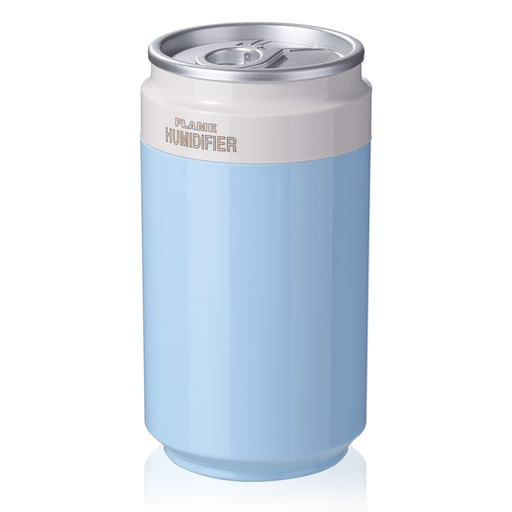
Why It Stands Out: This model is distinguished by its compact and leak-proof design. It fits in most car cup holders and sits on any desk without being obtrusive. Being USB-powered makes it highly versatile.
Advantages:
Who Is It For? This device is a great choice for individuals looking for a personal humidification solution for small areas like a workspace, car, or right by the bed. Its simple handling and secure design make it a practical companion.
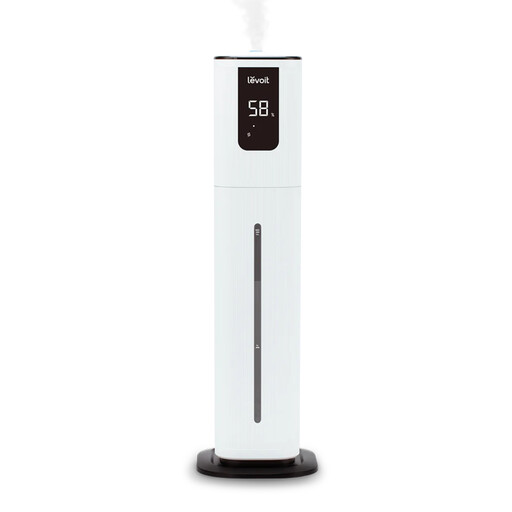
Why It Stands Out: With an exceptionally large 10-litre water tank and a runtime of up to 100 hours, the Levoit OasisMist 1000S is designed for large rooms up to 55 m?. It combines high performance with smart features.
Advantages:
Who Is It For? This model is aimed at users who need a powerful, low-maintenance solution for large spaces. It is ideal for families, smart home system owners, and plant lovers who want to ensure constant humidity for their tropical plants.
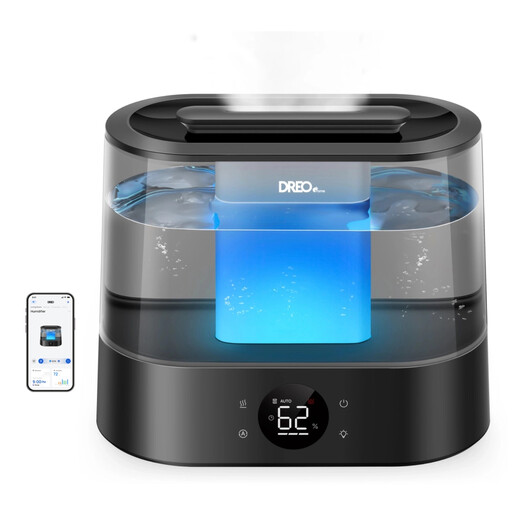
Why It Stands Out: The DREO humidifier combines a modern design with precise control and versatile features. The 4-litre tank offers a solid runtime of up to 30 hours, while the app control allows for detailed customisation of the humidification.
Advantages:
Who Is It For? This device is an excellent choice for tech-savvy users who value precise control and customisable features. It is well-suited for medium-sized rooms and for anyone who wants to combine the benefits of a humidifier with those of an aroma diffuser.
The models presented here cover common use cases. If you haven't found the right device for your specific needs—be it a different design, size, or a special feature—it's worth taking a look at our broader range.
? Discover more humidifiers in our full category here
1. What kind of water should be used in a humidifier? For ultrasonic humidifiers, using distilled or demineralised water is recommended. Tap water contains minerals (limescale) that can build up in the device and settle on furniture as a fine white dust. Using filtered water can extend the device's lifespan and reduce cleaning effort.
2. How often does a humidifier need to be cleaned? Regular cleaning is crucial to prevent the growth of bacteria and mould in the water tank. It is recommended to change the water daily and rinse the tank with water every few days. A more thorough cleaning, often with a mild vinegar solution, should be done about once a week according to the manufacturer's instructions.
3. Can a humidifier also be used as an aroma diffuser? Some models are explicitly designed for aromatherapy and have a separate compartment or pad for essential oils. It is important not to add oils directly to the water tank unless the manufacturer expressly permits it. Otherwise, the oils can damage the material, especially the ultrasonic diaphragm. Therefore, always check the product description and the user manual.