
Lieferung heute & morgen

Qualitätsgarantie

Willkommens-Angebote freischalten: KOSTENLOSE Lieferung | Bis zu 80 % RABATT | Kostenlose 30-Tage-JoyPlus-Testphase
App herunterladen
A hydrating toner is often the first and most crucial step after cleansing to prepare the skin for the rest of your routine. However, the market is saturated with products whose marketing promises often create more confusion than clarity. Many users invest in products that don't deliver on their claims or are unsuitable for their skin type. This guide will help you recognize the most common pitfalls and make an informed choice.
Before you make a decision, it's important to see through common marketing myths that often lead to unsuitable purchases.
To find the right toner for your needs, focus on objective criteria and the ingredient list (INCI).
A good hydrating toner should contain a high concentration of humectants. These substances attract water and bind it in the skin. Look for the following ingredients:
Especially for a toner for sensitive skin, ingredients that reduce redness and strengthen the skin barrier are crucial.
The texture of a toner influences how it feels on the skin and its suitability for different skin types. Korean toners have often led the way in this area.
Instead of making a one-size-fits-all recommendation, we have matched products based on specific user profiles and their needs.
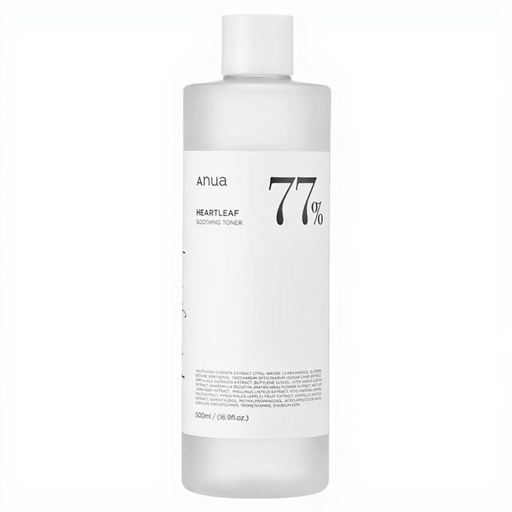
Why This Fits Their Persona: Ideal for users whose skin reacts quickly to external stressors with redness and irritation. The watery, lightweight texture absorbs quickly and optimally prepares the skin for serums and creams without weighing it down.
This product bypasses the "natural is better" trap by focusing on a highly concentrated, proven botanical extract (77% Houttuynia Cordata) known for its soothing properties, rather than a complex blend of potentially irritating botanicals.
High concentration of soothing heartleaf extract; very light, non-sticky texture that is great for layering; also contains Panthenol and Centella Asiatica.
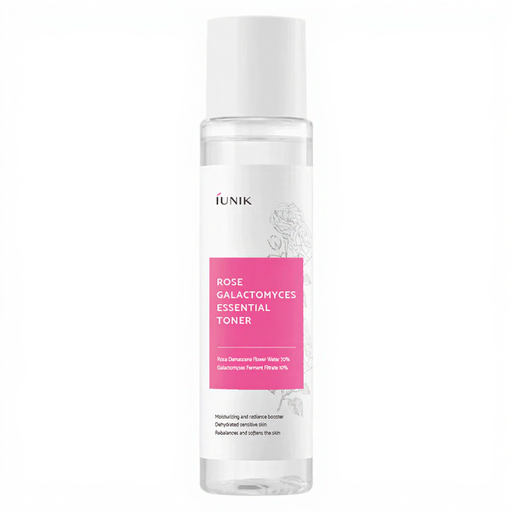
Why This Fits Their Persona: For users inspired by the K-Beauty philosophy who want balancing and pore-refining effects in addition to moisture. The combination of rose water and fermented ingredients aims for an even, radiant complexion.
This product offers more than just basic hydration. The addition of Galactomyces Ferment Filtrate, a nutrient-rich yeast derivative, supports sebum control and skin renewal—a multifunctional approach often missing in simple hydrating toners.
Based on 70% Rosa Damascena Flower Water for hydration and balance; the oil-free, watery formula absorbs quickly, leaving the skin feeling refreshed.
We have compiled a complete, up-to-date list of products that fully meet these strict selection criteria and UK safety regulations.
1. Can a hydrating toner be used daily? Yes, absolutely. Unlike the astringent tonics of the past, modern hydrating toners are designed to be used daily, morning and night. They restore the skin's pH level after cleansing and provide it with an initial layer of moisture.
2. What is the difference between a toner and a facial tonic? Historically, a "facial tonic" was often an astringent product with a high alcohol content used to remove oil and refine pores. The term "toner," especially in the context of K-Beauty, now refers to a hydrating, nourishing, and balancing product that prepares the skin for subsequent care. The terms are sometimes used interchangeably, but a hydrating toner has a clear nourishing function.
3. Do I need to use a moisturizer after a hyaluronic toner? Yes, it is highly recommended. A hyaluronic toner attracts and binds moisture in the skin. A subsequent moisturizer (an occlusive) is necessary to lock this moisture into the skin and prevent it from evaporating. Without this sealing step, the skin could actually lose more moisture in a dry environment.