
Lieferung heute & morgen

Qualitätsgarantie

Willkommens-Angebote freischalten: KOSTENLOSE Lieferung | Bis zu 80 % RABATT | Kostenlose 30-Tage-JoyPlus-Testphase
App herunterladen
Tightness, rough patches, and a dull complexion—these are all too familiar signs for anyone with dry or dehydrated skin. A hydrating toner is often recommended as the first step after cleansing to deliver much-needed moisture to the skin. However, the market is flooded with products whose marketing claims often create more confusion than clarity.
As your Joybuy Product Recommendation Officer, I'm here to help you identify common purchasing pitfalls and make an informed decision. This ensures you invest in a product that truly meets your skin's needs.
Before adding a product to your cart, you should be aware of two common marketing tactics that often lead to regrettable purchases:
To make the right choice, focus on the product's objective properties. Three parameters are particularly important:
A good hydrating toner should contain more than just water. Look for a combination of proven humectants that bind water in the skin. These include:
For dry, sensitive, or stressed skin, it's advisable to choose products free from potential irritants. An alcohol-free toner (referring to drying types) is a good start. Additionally, look for formulas that avoid:
An intact skin barrier is the key to healthy, hydrated skin. A good toner for dry skin should therefore not only provide moisture but also contain ingredients that strengthen the barrier function. Actives like Allantoin, Ceramides, or soothing plant extracts (e.g., from green tea or chamomile) help to reduce redness and promote the skin's resilience.
Based on these objective criteria, we have identified several products that suit different needs and skin types.
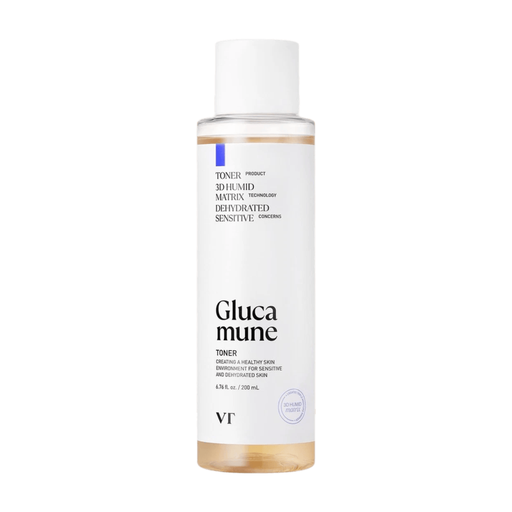
Why it's a match: This K-Beauty toner is ideal for users seeking a lightweight yet intensely hydrating and soothing treatment. Its watery texture absorbs quickly, leaving the skin feeling comfortable without any stickiness.
The product doesn't rely solely on hyaluronic acid. It combines it with Beta-Glucan, Panthenol, and Allantoin, offering a broad spectrum of soothing and moisturising properties.
The formula is free from drying alcohol and focuses on strengthening the skin barrier, making it suitable for sensitive and dehydrated skin.
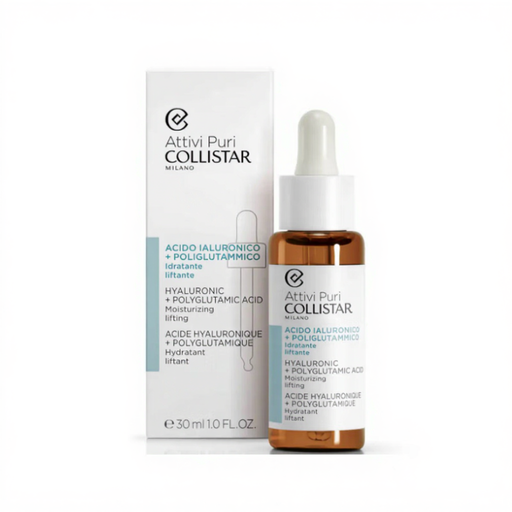
Why it's a match: Technically a hydrating essence, this product is perfect for those who seek targeted, multi-level hydration and value the scientific basis of its ingredients.
Instead of promoting just one active, the formula combines, according to the manufacturer, four different molecular weights of hyaluronic acid with polyglutamic acid. This aims to provide hydration at different layers of the skin.
The formulation is free from alcohol, parabens, fragrance, and silicones, minimising the potential for irritation on sensitive skin. The included inulin (a prebiotic) also supports the skin's microbiome.
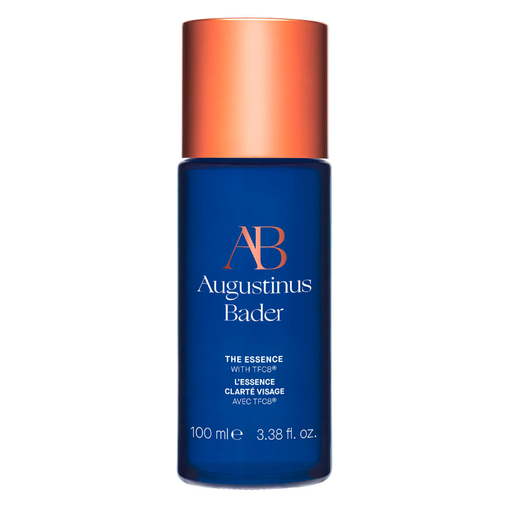
Why it's a match: For users looking to invest in a multifunctional facial lotion for dehydrated skin. This 3-in-1 formula combines gentle exfoliation with intense hydration, optimally preparing the skin for subsequent skincare steps.
Rather than relying on a single trending ingredient, the formula is based on the manufacturer's patented TFC8 technology, which aims to support the skin's own renewal processes. Hydration is ensured by hyaluronic acid.
The combination of exfoliating acids (PHA, BHA, AHA) and moisturising ingredients offers a multifunctional approach that can refine skin texture while keeping the moisture barrier intact.
We have compiled a complete, up-to-date list of products that fully meet these strict selection criteria and safety standards.
Traditionally, in Western skincare, a toner is designed to clarify the skin and balance its pH level after cleansing. An essence, particularly in Asian skincare, is often richer and serves as the first concentrated step for hydration. Today, the lines are blurring. A modern hydrating toner or a facial lotion for dehydrated skin often performs the function of both, hydrating the skin and preparing it for the next steps in your routine.
Yes, for a sustainable improvement in the skin's moisture content, regular use—ideally morning and evening after cleansing—is recommended. Hyaluronic acid works best when applied continuously to keep the skin's moisture reserves replenished.
A toner is an important first step to infuse moisture into the skin. For dry skin, however, it is part of a system. To seal in that moisture, you should always follow up with a serum and/or a moisturising cream containing occlusive ingredients (like shea butter, squalane, or ceramides).