
Lieferung heute & morgen

Qualitätsgarantie

Willkommens-Angebote freischalten: KOSTENLOSE Lieferung | Bis zu 80 % RABATT | Kostenlose 30-Tage-JoyPlus-Testphase
App herunterladen
A baby's skin is significantly thinner and more delicate than an adult's. Therefore, choosing the right care products is crucial, especially for daily cleansing. Many parents face the challenge of finding the right product from an overwhelming variety of baby wipes, particularly if their child's skin is prone to dryness or irritation.
This article serves as a guide. We will outline objective criteria to help you select sensitive wipes and present a selection of products that are well-suited for caring for delicate baby skin due to their specific properties.
To make an informed decision, it's helpful to consider a few key aspects. The following points can help you compare products and find the right one for your baby's needs.
For newborn wipes and babies with sensitive skin, a minimalist formula is often the gentlest choice. Products labelled as wipes with 99% water contain very few additional substances. Look for formulations without perfume, alcohol, or unnecessary dyes. These additives can increase the risk of skin irritation. A short, easy-to-understand ingredient list is usually a good sign.
The skin's natural protective barrier has a slightly acidic pH of around 5.5. Products described as pH-balanced or pH skin-friendly are designed not to disrupt this balance. This is a key factor in protecting the skin barrier and preventing irritation. The note dermatologically tested indicates that the product has been tested for skin compatibility under dermatological supervision.
The wipe material itself also plays a role. Many conventional wipes contain plastics. An alternative is biodegradable wipes made from plant-based fibres like cellulose or viscose. These materials are not only softer on the skin but also reduce plastic waste. Certifications like OEKO-TEX can further confirm that the textile material has been tested for harmful substances and is safe for contact with sensitive skin.
Based on the criteria above, we have compiled a selection of products that are excellent choices for baby care for sensitive skin.
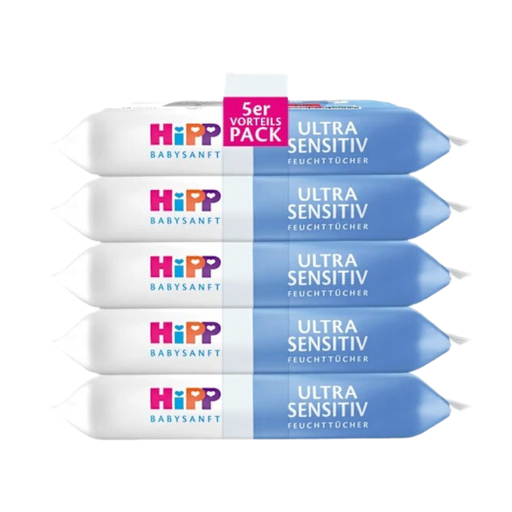
What makes it stand out The Hipp Babysanft Ultra Sensitive Wipes are specially designed for the needs of highly sensitive and allergy-prone skin. According to the manufacturer, the formula consists of 99% water and is completely free of perfume, essential oils, and alcohol. The wipes are soaked in mild cleansing ingredients and are suitable for cleaning the face, hands, and nappy area.
Benefits
Who it's for These wipes are an excellent choice for parents looking for a product with the purest and most minimal formula for their newborn or baby with very sensitive skin.
View details for Hipp Babysanft

What makes it stand out The Bc Babycare wipes are distinguished by their exceptionally thick and soft plant-fibre material. According to the manufacturer, they are three times thicker than many standard wipes, allowing for a thorough clean with fewer wipes. The material is OEKO-TEX certified (No. 25.HUS.21538 Hohenstein), which underscores its safety for sensitive skin. Additionally, the wipes are 100% biodegradable and plastic-free.
Benefits
Who it's for Ideal for parents who value a durable, efficient wipe and also prefer an eco-friendly, plastic-free option. The OEKO-TEX certification provides extra peace of mind for babies with sensitive skin.
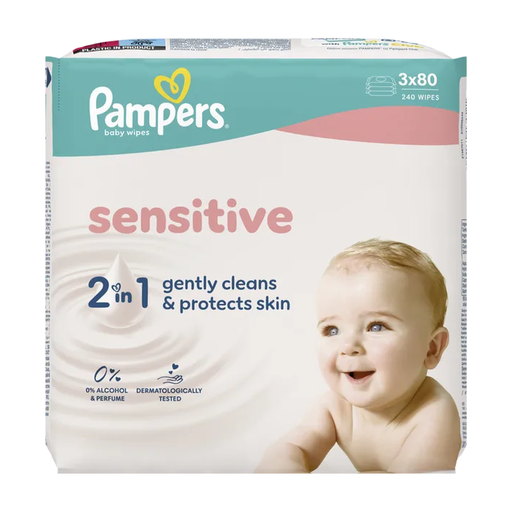
What makes it stand out Pampers Sensitive Wet Wipes were developed with a special focus on maintaining the skin's natural pH balance. According to the manufacturer, the unique formula helps maintain the skin's pH-balanced state better than cleaning with cotton wool and water alone. The wipes are soft, thick, and have been approved by dermatologists at the Skin Health Alliance for their skin compatibility.
Benefits
Who it's for These wipes are suitable for parents seeking a product that actively supports the skin's protective barrier by stabilising its pH level. They are a trusted option for daily care, even for newborns.
View details for Pampers Sensitive
Proper cleansing is an important step, but baby care for sensitive skin doesn't end with the wipe. A mild, moisturising lotion after cleansing can help to further strengthen the skin barrier and prevent dryness.
If you are looking for complementary care products, discover our selection of gentle kids' lotion to complete your baby's care routine.
1. When can you start using wet wipes for newborns? Many sensitive wipes, especially those with a 99% water formula and no perfume, are suitable for use from birth. However, it is always advisable to check the manufacturer's instructions on the packaging. If you're unsure, cleaning with a soft cloth and lukewarm water is a good alternative.
2. What does "pH-balanced" mean for baby wipes? The term "pH-balanced" or "pH skin-friendly" means that the product's pH value is adapted to the skin's natural, slightly acidic pH (around 5.5). This helps to keep the skin's acid mantle intact, which serves as a natural barrier against external aggressors and germs.
3. Are biodegradable wipes more environmentally friendly? Yes, biodegradable wipes made from plant-based fibres like cellulose decompose in the environment, unlike wipes containing plastic. However, they should not be flushed down the toilet, as they can clog sewage systems. The correct way to dispose of them is in the household waste.