
Lieferung heute & morgen

Qualitätsgarantie

Willkommens-Angebote freischalten: KOSTENLOSE Lieferung | Bis zu 80 % RABATT | Kostenlose 30-Tage-JoyPlus-Testphase
App herunterladen
An immersion blender seems like a simple purchase—until the device fails after just a few months, the soup remains lumpy, or cleaning takes longer than the cooking itself. Many buying decisions are swayed by marketing claims that often fail to deliver in practice. Before you make a choice, it's helpful to understand the common pitfalls that lead to disappointment.
Two of the most common problems are:
This guide will help you navigate these and other pitfalls to find a model that truly meets your actual needs in the kitchen.
To make an informed decision, you should focus on a few crucial technical features rather than being guided by pure marketing numbers.
Sheer motor power in watts is only half the story. A truly powerful blender is defined by the synergy between its motor, drive system, and blade design. Look for appliances where the manufacturer provides details about the blade technology. A well-engineered stainless steel blending wand with sharp, specially shaped blades can often achieve better and finer results with less power than a poorly designed model with high wattage. For tasks like chopping nuts or frozen fruit, a combination of high power (800 watts and up) and a robust blade system is recommended.
The durability of an immersion blender depends heavily on the materials used. A stainless steel immersion blender is not only more robust and resistant to staining from foods like carrots or tomatoes, but it's also more hygienic and easier to clean than plastic models. If you frequently blend hot soups directly in the pot, a heat-resistant metal blending wand is essential. For preparing baby food, it's also crucial to ensure all parts that come into contact with food are made from BPA-free materials.
Consider the main tasks you want to use the blender for.
Instead of making a single general recommendation, we have selected models tailored to specific user profiles.
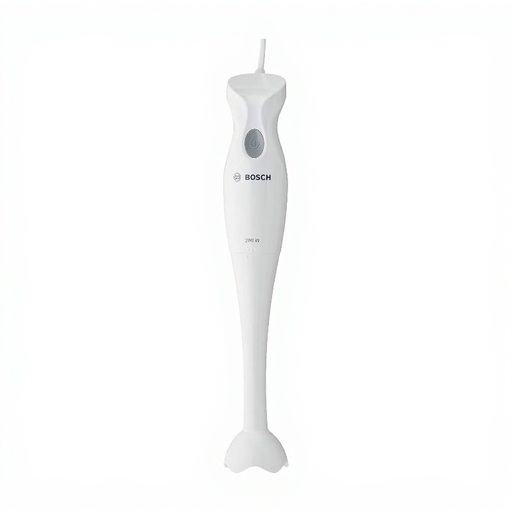
Why This Fits Their Persona: Ideal for users seeking a reliable, no-fuss appliance for basic tasks like puréeing soups or preparing simple baby food, without investing in an expensive set.
This model bypasses the wattage trap by focusing on a solid core function. Its 280 watts are sufficient for its intended tasks, and the simple design avoids failure-prone mechanical parts.
Lightweight and low-vibration for fatigue-free operation. The detachable blending wand is dishwasher-safe, simplifying cleanup.
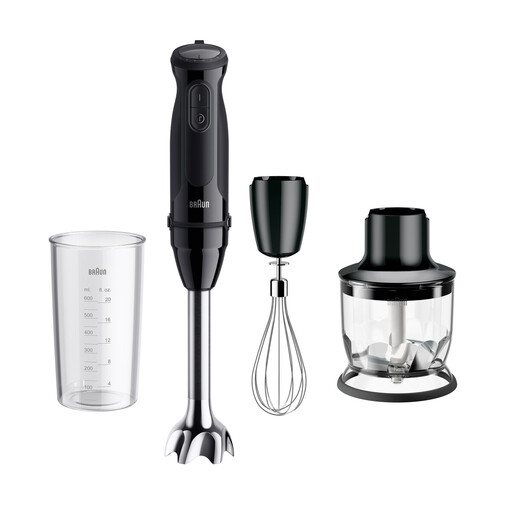
Why This Fits Their Persona: Perfect for ambitious home cooks who cook regularly and need a versatile tool for more than just blending. The set covers chopping, mixing, and whipping.
The 1000 watts are used effectively thanks to the PowerBell VPlus technology, which includes an extra milling blade. The EasyClick Plus system provides a robust and durable connection for attachments, avoiding the trap of cheap plastic parts.
21 speed settings plus a turbo function for maximum control. The included attachments (chopper, whisk) make it a multifunctional kitchen tool.
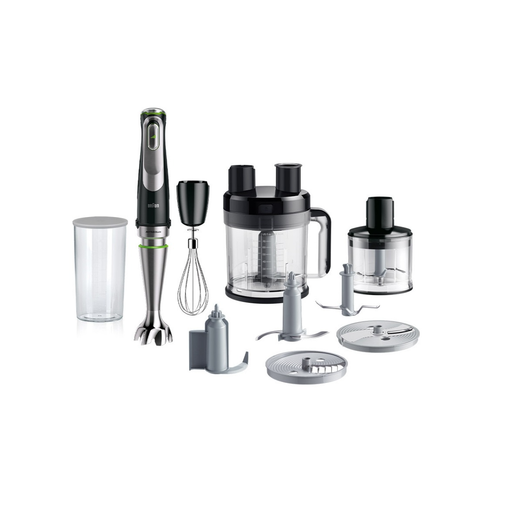
Why This Fits Their Persona: For those who demand maximum power and functionality and want to use their immersion blender as a food processor substitute. Ideal for large batches and challenging tasks like processing tough ingredients.
The high 1200-watt power is justified by the Active PowerDrive technology, which processes even the toughest ingredients effortlessly. The extensive set of attachments is high-quality and offers genuine added value, rather than just being filler.
Comprehensive 9-in-1 set with a 2-litre food processor attachment for slicing, shredding, and chopping. The SplashControl technology ensures a clean workspace.
We've compiled a complete, up-to-date list of products that fully meet these strict selection criteria and comply with rigorous German safety standards.
There's no one-size-fits-all answer. For simple tasks like blending cooked vegetables or soft fruits, models with 300 to 500 watts are sufficient. If you regularly process tougher ingredients like nuts, frozen fruit, or raw vegetables, a power rating of 800 watts or more, combined with high-quality blade technology, is recommended. Focus more on the overall design than on the wattage number alone.
Some powerful immersion blenders, especially those with special ice-crushing blades included as attachments, can crush ice cubes. However, this puts a heavy strain on the motor and blades. For regularly making crushed ice or frozen cocktails, a robust countertop blender is generally the better and more durable choice. Always check the manufacturer's specifications to see if the device is approved for crushing ice.
The quickest method is to self-clean it immediately after use: Fill a tall container with warm water and a drop of dish soap. Immerse the blending wand and turn the device on for a few seconds. Then, rinse it under running water. For models with a detachable blending wand, you can also place it in the dishwasher (if specified by the manufacturer). Never submerge the motor body in water; simply wipe it with a damp cloth.