
Lieferung heute & morgen

Qualitätsgarantie

Willkommens-Angebote freischalten: KOSTENLOSE Lieferung | Bis zu 80 % RABATT | Kostenlose 30-Tage-JoyPlus-Testphase
App herunterladen
The market for in-ear Bluetooth headphones is crowded. Manufacturers advertise with impressive numbers and technical jargon, but not every product lives up to its promise. As your Joybuy Product Recommendation Officer, I'll help you identify the crucial features and sidestep marketing traps so you can make an informed decision.
Before we dive into the important technical specifications, let's look at three common marketing pitfalls that often lead to disappointment:
To avoid a bad purchase, focus on these three verifiable criteria. They provide real insight into the headphones' actual performance and longevity.
Always look for two values:
The quality of noise cancellation is a key factor.
The IP (Ingress Protection) rating indicates how well a device is protected against the ingress of solid particles (first digit) and water (second digit). For headphones, the second digit is crucial:
Instead of making a one-size-fits-all recommendation, we have selected models tailored to specific use cases.

Why This Fits Their Persona: Ideal for users seeking solid core features without the high price tag. These earbuds offer a reliable connection for the daily commute to work or university and sufficient battery life for normal use.
The battery life is clearly stated (7 hours per charge, 26 hours total), and the IP54 certification provides reliable, defined protection against dust and splashing water.
Modern Bluetooth 5.4 technology for a stable connection and a low weight of just 4g per earbud for superior comfort.
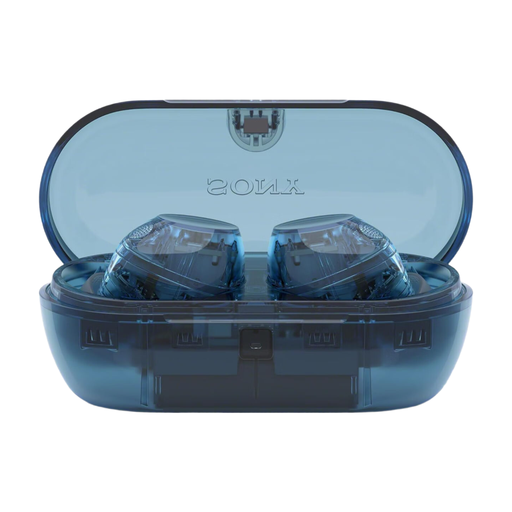
Why This Fits Their Persona: Designed for people who want to work or listen to music undisturbed on the train or in an open-plan office. The combination of effective ANC and long battery life makes them a reliable companion for the professional day.
This model offers true active noise cancelling with two microphones per earbud that demonstrably reduces ambient noise, rather than relying on vague marketing promises.
The multipoint connection allows for seamless switching between two Bluetooth devices (e.g., a laptop and a smartphone) without having to manually disconnect and reconnect.
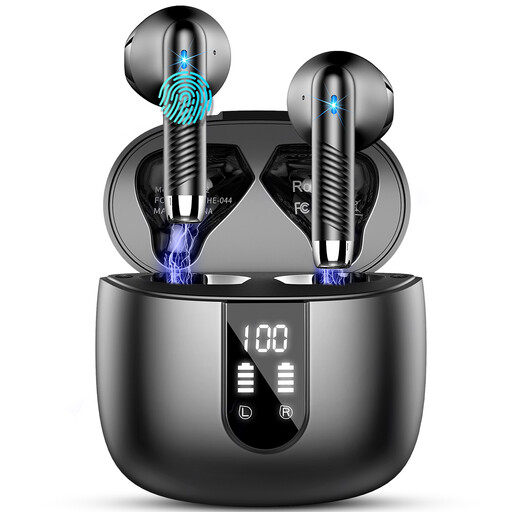
Why This Fits Their Persona: For anyone who doesn't want to give up music while jogging, at the gym, or during outdoor activities. The high level of protection against water and sweat ensures the earbuds function reliably even under intense strain.
Instead of a vague "sweatproof" promise, this model offers certified IP7 water resistance. This is a standardised, verifiable rating that guarantees protection against temporary immersion.
The high water resistance (IP7), combined with a long total runtime of 56 hours, makes them a worry-free companion for sports activities in any weather.
We have compiled a complete, up-to-date list of products that fully meet these strict selection criteria and German safety regulations.
True Wireless Earbuds are headphones that have no cables whatsoever—neither to the playback device nor between the two earbuds themselves. Each earbud functions independently and connects to the device individually via Bluetooth. This offers maximum freedom of movement and is the current standard for wireless headphones.
The lifespan heavily depends on use and care. The battery is often the limiting factor. With daily use, the maximum battery capacity can noticeably decrease after 2-3 years. The physical durability is influenced by the build quality and the IP rating. Models with dust protection (e.g., IP5X) are often more durable.
Yes, most modern TWS headphones support what is known as mono mode. You can choose to use just the left or the right earbud while the other remains in the charging case. This is useful for extending battery life or for keeping one ear open to your surroundings.