
Lieferung heute & morgen

Qualitätsgarantie

Willkommens-Angebote freischalten: KOSTENLOSE Lieferung | Bis zu 80 % RABATT | Kostenlose 30-Tage-JoyPlus-Testphase
App herunterladen
The aroma of cumin, turmeric, and garam masala promises a culinary journey to India, but the anticipation of a quick Indian meal often ends in disappointment. Anyone who has ordered Indian ready meals online knows the problem: instead of robust flavours, you get a bland, overcooked mush that bears little resemblance to the real thing.
As your Joybuy Product Recommendation Officer, I'm here to filter out the important information from the marketing noise. In this guide, I'll show you the most common pitfalls to avoid and the objective criteria you should look for to find authentic, high-quality dishes.
Before you add your next curry or biryani to the cart, you should be aware of two common problems that often lead to an unsatisfying dining experience.
To avoid these pitfalls, focus on verifiable facts. Two parameters are particularly telling.
A transparent, high-quality ingredient list is the most reliable indicator of quality. Look for the following:
Not all ready meals are created equal. The type of dish determines what you can expect:
Here are some recommendations tailored to different needs and preferences, all of which meet the quality criteria mentioned above.
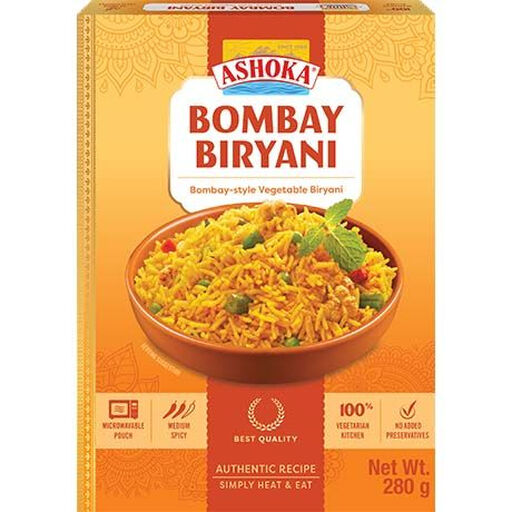
Why This Fits Their Persona: Ideal for a lunch break at the office or a quick dinner. As a complete meal with rice and vegetables, no further preparation is needed. Simply heat and serve.
The ingredient list features cooked basmati rice, a variety of vegetables, and a long list of specific spices. This bypasses the "authenticity bluff" and ensures a complex flavour profile.
A complete meal, gluten-free, and vegetarian. Contains no preservatives, according to the manufacturer.
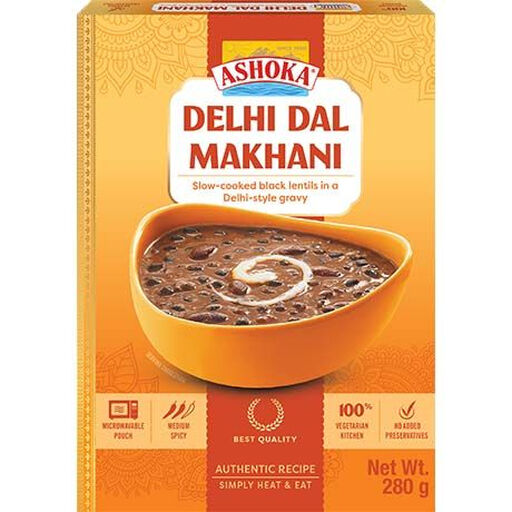
Why This Fits Their Persona: Perfect for anyone looking for a rich, satisfying, and classic North Indian dish. Ideal for pairing with home-cooked rice or fresh naan bread.
The base of black lentils (black gram) and kidney beans creates a naturally thick and creamy consistency. This counteracts the "texture trap" of a watery sauce.
A protein-rich vegetarian dish. The use of coconut milk and cashews provides a rich texture. Anyone specifically looking to buy Dal Makhani will find a solid option here.
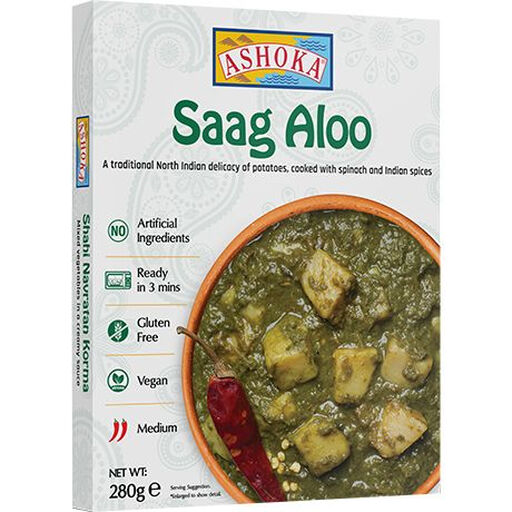
Why This Fits Their Persona: An excellent choice for anyone wanting to try a classic, but often non-vegan, dish in a purely plant-based version. It offers a change from the usual lentil or chickpea curries.
This dish avoids the texture trap with a clear separation of potato chunks (28%) and spinach (24%). The potatoes retain their bite instead of disintegrating into the sauce.
By using coconut milk instead of cream or yoghurt, this Indian ready meal is suitable for a vegan diet. The heat level is rated as "medium spicy".
We've curated a complete, up-to-date list of products that meet these stringent selection criteria.
Most ready meals in sealed pouches (retort pouches) have a very long shelf life when unopened at room temperature, often 12 to 18 months from production. You can find the exact best-before date on the packaging. After opening, the contents should be transferred to a suitable container, stored in the refrigerator, and consumed within a few days, as specified by the manufacturer.
That depends on the dish. Products like biryani or pulao are already complete meals that include rice. Curries and dals, such as Palak Paneer, Aloo Choley, or Dal Tadka, are sauce-based dishes traditionally served with a side. For a complete meal, it is recommended to pair them with basmati rice, naan bread, or chapatis.
The heat level indication (e.g., "mild," "medium spicy") is a subjective assessment by the manufacturer. A dish labelled "medium" by an authentic Indian brand might be perceived as quite spicy by a Western palate. When trying a new brand, it's wise to approach the heat level with caution.