
Lieferung heute & morgen

Qualitätsgarantie

Willkommens-Angebote freischalten: KOSTENLOSE Lieferung | Bis zu 80 % RABATT | Kostenlose 30-Tage-JoyPlus-Testphase
App herunterladen
Indonesian cuisine is renowned for its complex and deep flavours, which come from a wide variety of spices and herbs. For many home cooks, authentically preparing dishes like Nasi Goreng or Soto Ayam can be a challenge, as sourcing and processing the fresh ingredients can be time-consuming. A convenient solution is the Indonesian spice paste, also known as bumbu. These ready-made spice blends contain all the necessary ingredients in a concentrated form, allowing you to effortlessly bring the characteristic taste of Indonesia into your own kitchen.
This article serves as a guide. It explains what to look for when choosing an Asian spice paste and presents a selection of products for various classic dishes.
To find the right Indonesian spice mix for your culinary project, the following criteria can be helpful.
Most bumbu pastes are designed for a specific dish. If you're looking for an authentic Nasi Goreng spice, choose a paste explicitly made for it. The same applies to other classics like Rendang, Gado-Gado, or a Soto Ayam spice. This specialisation ensures that the ingredient ratios are perfectly balanced for each dish, bringing the final result as close as possible to the original.
A look at the ingredients reveals the quality and authenticity of the paste. Typical ingredients for Indonesian cooking include shallots, garlic, galangal (Thai ginger), lemongrass, turmeric, and chillies. A high-quality Rawon paste, for example, must contain kluwak nuts, which are responsible for its dark colour and nutty flavour. Also, check the list for allergens and unwanted additives to make a suitable choice for your dietary needs.
If you want to buy an authentic Indonesian spice paste, brands that originate directly from Indonesia or specialise in Southeast Asian cuisine are often a reliable choice. Manufacturers like Bamboe Bumbu have specialised in producing ready-made spice pastes for export and offer a wide range for various traditional dishes.
Here is a selection of bumbu pastes suitable for preparing specific Indonesian dishes.
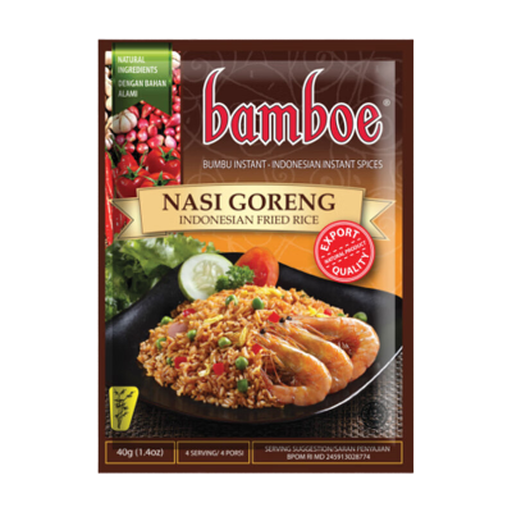
Why it stands out: This paste is specifically designed for preparing Nasi Goreng, the iconic Indonesian fried rice. The blend of shallots (34%), tomatoes (16%), garlic (12%), and chilli (9%) creates the classic sweet, savoury, and slightly spicy flavour base of the dish.
Pros:
Who is it for? Ideal for anyone who wants to recreate the popular Indonesian classic at home quickly and without extensive prep work.
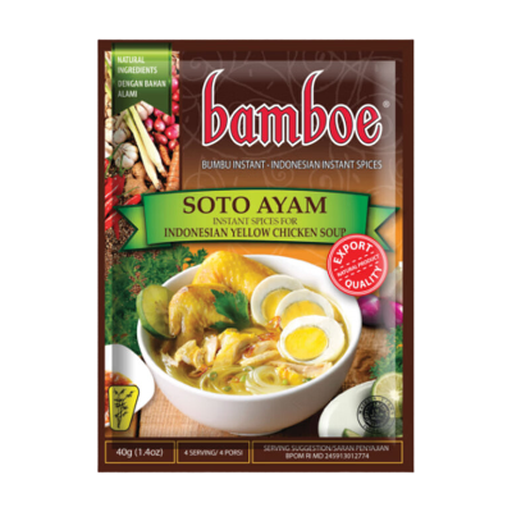
Why it stands out: Soto Ayam is an aromatic chicken soup whose flavour depends on a well-balanced spice blend. This paste combines shallots (41%), garlic (23%), ginger (6%), lemongrass (3%), and turmeric (3%) to create the soup's characteristic yellow colour and fresh, spicy aroma.
Pros:
Who is it for? For lovers of soups and stews who appreciate the warming and complex flavour of traditional Indonesian chicken soup.
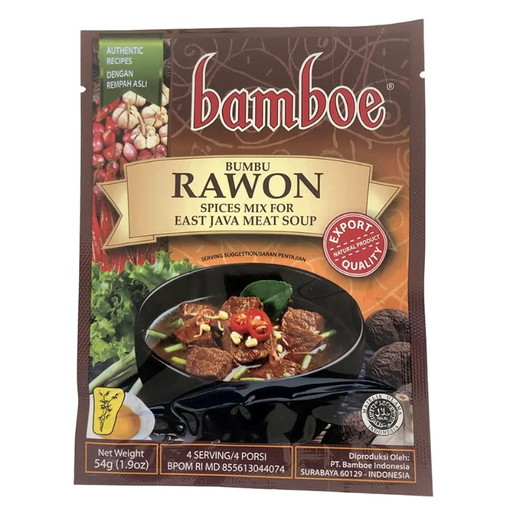
Why it stands out: This paste is intended for Rawon, a dark beef soup from East Java. Its unique feature is the use of kluwak (8%), a black nut that gives the soup its signature dark colour and a deep, slightly nutty flavour. The base consists of shallots (39%) and other spices like galangal and lemongrass.
Pros:
Who is it for? For experienced home cooks and adventurous foodies who want to try a lesser-known but highly distinctive dish from Javanese cuisine.
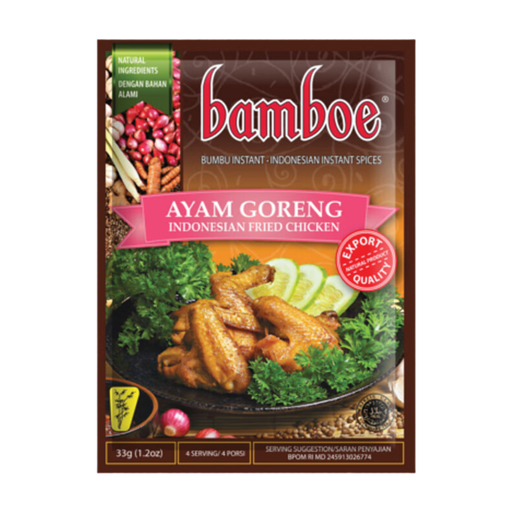
Why it stands out: This seasoning mix is for Ayam Goreng, Indonesian fried chicken. It serves as a marinade, infusing the chicken with aromatic flavour before pan-frying or deep-frying. The blend is based on garlic (17%), shallots (16%), galangal (9%), and lemongrass (5%).
Pros:
Who is it for? For anyone looking for a simple method to season and prepare chicken the Indonesian way.
Didn't find the right paste for your cooking project, or want to explore more seasonings for Asian cuisine?
? Explore our entire range of spices here
Bumbu is the Indonesian term for a spice mix or paste. It forms the foundation of many dishes in Indonesian cuisine. Traditionally, fresh ingredients like chillies, shallots, garlic, roots (galangal, ginger, turmeric), and herbs are ground into a paste using a mortar and pestle. Ready-made bumbu products are these same pastes in a preserved form.
Using it is typically straightforward. The spice paste is first briefly sautéed in a little oil in a pan or pot until it becomes fragrant. Then, the main ingredients like meat, tofu, or vegetables are added and cooked with the paste. Depending on the recipe, other liquids such as water, coconut milk, or broth are added next.
Unopened packages should be stored in a cool, dry place, away from direct sunlight. After opening, it is advisable to store the paste in the refrigerator and use it within a short period to preserve the freshness of the flavours. Always follow the specific storage instructions on the product packaging.