
Lieferung heute & morgen

Qualitätsgarantie

Willkommens-Angebote freischalten: KOSTENLOSE Lieferung | Bis zu 80 % RABATT | Kostenlose 30-Tage-JoyPlus-Testphase
App herunterladen
When life gets hectic and there's no time for elaborate cooking, a quick meal is often the only solution. Instant noodles have established themselves as a convenient option. However, the selection is vast and overwhelming, ranging from the classic Asian noodle soup to modern diet-friendly varieties.
This article serves as your guide. We'll introduce different types of instant noodles and provide you with objective criteria to help you make an informed decision the next time you buy instant noodles.
Choosing the right product depends on your personal preferences and needs. The following points can help you with your decision.
The spectrum of flavours is enormous. Classic Asian profiles like Thai Tom Yum (sour and spicy) or Korean Kimchi (fermented and savoury) offer authentic experiences. Additionally, there's fusion cuisine that combines Asian noodles with European flavours like Carbonara. A look at the ingredients list provides insight into the spices used and the level of heat.
Traditional instant noodles are wheat-based and pre-fried to achieve their quick preparation time. For health-conscious consumers, numerous alternatives are now available. Particularly noteworthy are Konjac noodles (also known as Shirataki noodles). These are made from the flour of the konjac root and are naturally almost free of calories, carbohydrates, and fat. This makes such low-calorie noodles an excellent choice for a low-carb (keto) or gluten-free diet.
The most common packaging formats are bags and cups. Noodles in a bag require a separate pot and strainer but often offer larger portions. Cup noodles are designed for maximum convenience: pour in hot water, wait a moment, and eat directly from the cup. This option is ideal for the office or on the go.
Based on the criteria above, we have compiled a selection of different products that cater to various tastes and needs.
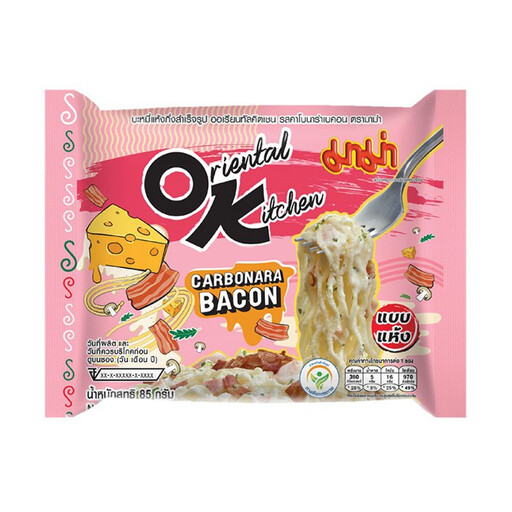
Why It Stands Out: This product from MAMA Noodles is a successful example of fusion cuisine. It combines the creamy texture of an Italian Carbonara with the classic noodle bite and a subtle Asian twist.
Advantages:
Who It's For: Individuals who prefer creamy and savoury noodle dishes and are looking for an alternative to classic spicy or savoury Asian soups. Ideal for newcomers to the world of instant noodles.
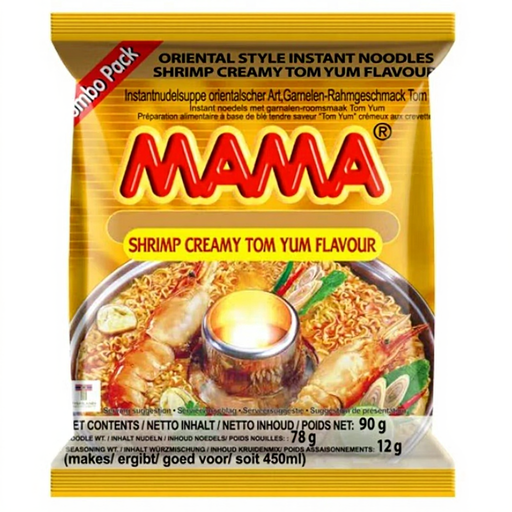
Why It Stands Out: This variety brings the authentic taste of Thailand to your kitchen. The creamy Tom Yum version is a popular twist on the classic clear soup, distinguished by a more complex and richer flavour profile.
Advantages:
Who It's For: Lovers of Thai cuisine and anyone who appreciates a savoury, aromatic, and slightly spicy soup. A great choice for a warming and satisfying quick meal.
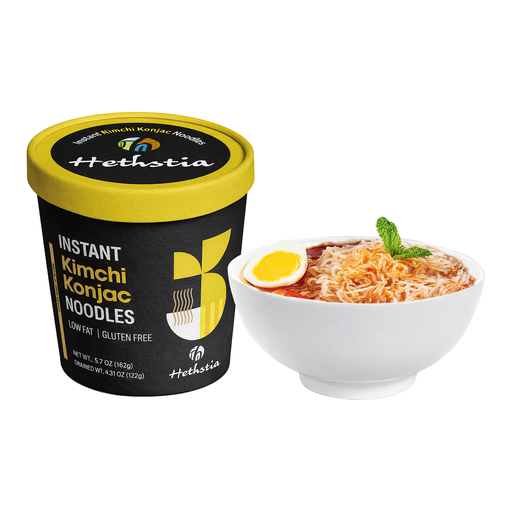
Why It Stands Out: This product is specifically aimed at health-conscious consumers. It is based on Konjac noodles combined with a spicy Kimchi soup. The cup format also makes preparation extremely convenient.
Advantages:
Who It's For: Health-conscious individuals who watch their calorie and carbohydrate intake. Ideal for people following a diet but who don't want to miss out on the convenience of a quick noodle meal. Also a suitable option for vegans and those with gluten intolerance.
The selection presented here covers only a small fraction of the available range. If you are specifically looking for noodle alternatives with a higher protein content to support your fitness or dietary goals, you can find more products in our category.
Discover our selection of Protein Noodles here.
Preparation varies by product. For noodles in a bag, the noodles are typically cooked in boiling water for 2-3 minutes, then the water is partially or fully drained (depending on the recipe), and the seasoning packets are stirred in. For cup noodles, the seasonings are added directly to the dry noodles in the cup and then hot water is poured over them. They are ready to eat after a short steeping time. Always follow the instructions on the packaging.
Instant noodles are primarily a convenience product for a quick and easy meal. Their nutritional profile can vary greatly. Traditional fried wheat noodles are often high in carbohydrates and fat. Alternatives like Konjac noodles, on the other hand, are very low-calorie noodles. To enhance a meal, you can add fresh vegetables (e.g., spring onions, pak choi), a boiled egg, tofu, or lean meat.
While local supermarkets often carry only a limited, standard selection, specialised online retailers offer a much greater variety. There you can find authentic imports from Asia, special flavours like Tom Yum or Kimchi, as well as diet-friendly options that are hard to find in brick-and-mortar stores.