
Lieferung heute & morgen

Qualitätsgarantie

Willkommens-Angebote freischalten: KOSTENLOSE Lieferung | Bis zu 80 % RABATT | Kostenlose 30-Tage-JoyPlus-Testphase
App herunterladen
A Ramen Cup is a single-serving instant meal consisting of instant noodles, a dried soup powder or paste, and other dehydrated ingredients like vegetables or meat substitutes. The primary function of these products is to provide a quick and effortless way to prepare a hot meal simply by adding boiling water. This guide analyses the key features of instant ramen cups to enable an informed selection based on product specifications.
The selection of a suitable product can be based on four key parameters: the type of broth, the noodle texture, the declared ingredients, and the preparation time.
The broth is the core component that defines the flavour of a cup noodle soup. The most common varieties are based on traditional Japanese recipes.
The noodles in instant ramen cups are made almost exclusively from wheat flour. The texture after preparation—whether firm to the bite (al dente) or soft—is determined by the thickness of the noodles and the steeping time specified by the manufacturer. A typical preparation time is between three to five minutes. Products with shorter steeping times often contain thinner noodles that rehydrate more quickly.
The EU Food Information to Consumers Regulation (FIC) mandates transparent labelling of ingredients and nutritional values. When making a selection, the following points should be considered:
The following products represent a selection of different flavours available on the German market. The analysis focuses on the declared product characteristics and ingredients.
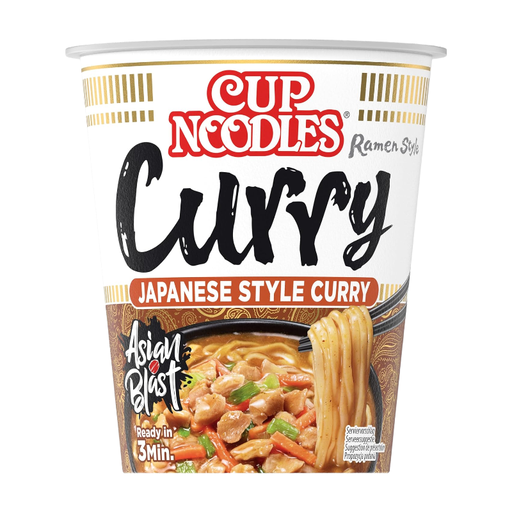
Product Feature Analysis: This product is distinguished by a broth based on Japanese curry. According to the manufacturer, the seasoning mix contains 2.1% curry powder and 1.7% other spices. The noodle base (77.6%) consists of wheat flour. Preparation involves adding boiling water followed by a three-minute steeping time.
Key Benefits:
Best Suited For: Individuals who prefer a robust and spicy meal and are looking for a flavour alternative to classic soy sauce or miso broths.
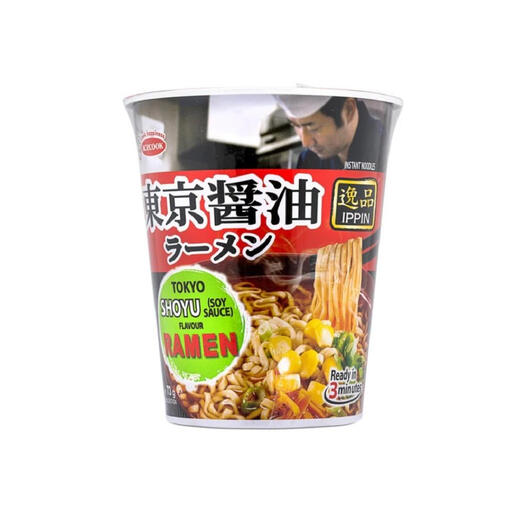
Product Feature Analysis: This product is modelled on the Tokyo-style Shoyu Ramen. The broth is based on soy sauce, which, according to the manufacturer, results in a clear, amber appearance and a balanced umami taste. The noodles constitute 75.8% of the contents. The preparation instructions also specify a three-minute steeping time.
Key Benefits:
Best Suited For: Users who appreciate the traditional taste of Japanese instant noodles and prefer a clear, umami-forward broth.
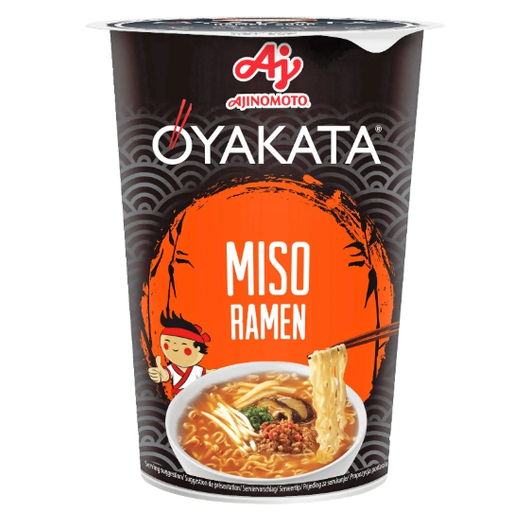
Product Feature Analysis: The foundation for this Miso Ramen is a seasoning base of miso soybean paste powder, complemented by pork bone and chicken extract flavours. This suggests a complex and rich broth. The ingredients list also includes corn, carrots, and spring onions as toppings.
Key Benefits:
Best Suited For: Consumers who prefer a flavour-intensive, cloudy, and slightly creamy soup base, characteristic of miso ramen.
The products featured cover popular flavour profiles. However, the market for instant ramen cups is highly diverse and includes numerous other variations, such as Tonkotsu (pork bone broth), Kimchi, or seafood flavours. Should you be looking for specific brands or additional flavours, you will find a broader product selection in our main category.
-> Discover our entire range of Instant Noodle Bowls here.
1. How do you properly prepare a ramen cup? Preparation is standardised: Open the lid halfway and remove any accompanying sachets. Empty the contents of the sachets into the cup. Fill with boiling water up to the indicator line inside the cup. Close the lid and let the noodles steep for the time indicated on the packaging (usually 3 minutes). Stir well before eating.
2. What is the difference between Miso and Shoyu ramen? The main difference lies in the broth's seasoning. Shoyu Ramen is based on soy sauce and has a clear, salty, and umami-rich broth. Miso Ramen uses fermented soybean paste, resulting in a cloudier, more robust, and complex broth with a nutty and salty flavour profile.
3. How should the nutritional information on instant ramen cups be interpreted? Pay attention to the values per 100g or 100ml of the prepared product to allow for an objective comparison between different brands. Values for salt, fat, and total energy content (calories) are relevant comparative parameters here. The portion size of a cup can vary, so the standardised per 100g/ml value is more informative than the per-portion value.