
Lieferung heute & morgen

Qualitätsgarantie

Willkommens-Angebote freischalten: KOSTENLOSE Lieferung | Bis zu 80 % RABATT | Kostenlose 30-Tage-JoyPlus-Testphase
App herunterladen
The trend for spicy instant noodles, fuelled by viral challenges and the growing popularity of Asian cuisine, shows no signs of slowing down. However, the search for the perfect packet can quickly become overwhelming. Packaging promises intense heat and authentic flavour, but not every product delivers. Before you make a decision, it's helpful to know the most common pitfalls that can lead to a disappointing meal.
To ensure your choice meets your expectations, you should pay attention to a few fundamental product features. These objective criteria will help you see through marketing hype and make an informed decision.
The type of heat is crucial for the overall taste experience. Products that primarily use capsaicin extract often deliver a very direct and intense heat with little accompanying flavour. In contrast, fermented chilli pastes like Korean gochujang or complex chilli oils provide a more multi-layered heat, accompanied by fruity, smoky, or umami notes. Check the ingredients list to understand the source of the spiciness. This is particularly relevant when choosing authentic Korean noodles or so-called fire noodles.
The noodles are the foundation of the dish. There are two basic preparation methods:
The noodle material (e.g., wheat, sweet potato, buckwheat) and its thickness significantly influence the texture. Thicker wheat noodles often offer a satisfying, chewy bite, while glass noodles made from sweet potato starch have a smoother, more elastic consistency.
A careful review of the ingredient and nutrition facts table is essential. Pay attention to the sodium (salt) and sugar content per 100g to compare products. This helps avoid the aforementioned trap of an overly salty or sweet taste. At the same time, allergen labelling is crucial for individuals with intolerances. Reputable manufacturers clearly list all potential allergens like wheat, soy, milk, or sesame.
Instead of making a one-size-fits-all recommendation, we've curated products for different preferences and use cases.

Why This Fits Their Persona: Ideal for those who love the iconic heat of the Buldak series but are looking for a creamier, milder version. The combination of the spicy chicken sauce and a cheese-and-cream-flavoured powder perfectly hits the spot for fans of creamy yet spicy dishes.
The cheese powder tempers the raw heat, creating a balanced, complex flavour profile that isn't just about burning, but is also creamy and savoury.
The thick, chewy noodles are a perfect match for the rich sauce. The combination of heat and creaminess is a well-established favourite.

Why This Fits Their Persona: For those who want to test their spice tolerance or take on the viral Spicy Noodle Challenge. This product is known for its intense and long-lasting heat, specifically targeting experienced spice-eaters.
Here, the extreme heat isn't a marketing gimmick but the core product feature. It precisely meets the target audience's expectations: it is genuinely extra spicy.
Despite the extreme heat, a savoury chicken flavour remains noticeable. The noodles are thick and chewy, ensuring a good mouthfeel even with this intense variety.
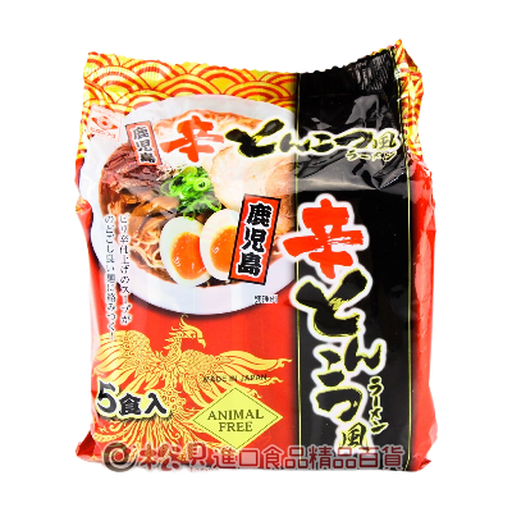
Why This Fits Their Persona: Perfect for lovers of Japanese ramen who are looking for a deep, complex broth with a pleasant level of spice. The focus here is on the rich umami flavour of the tonkotsu (pork bone broth) base, complemented by garlic and chilli.
This product avoids the one-dimensional heat trap by using a rich, flavourful broth as its base. The spiciness is a component of the overall flavour, not its sole feature.
Offers an authentic Japanese ramen experience at home. The pre-fried noodles have a firm texture that pairs well with the robust soup.
We have compiled a complete, up-to-date list of products that fully meet these strict selection criteria.
If a dish turns out too spicy, there are simple ways to tone it down. Adding dairy products like a splash of milk, cream, processed cheese, or a dollop of yoghurt can neutralise the heat. A raw or fried egg mixed into the hot noodles also provides mildness and extra creaminess. Another option is to use only a portion of the seasoning packet from the start.
Although both are noodle dishes, there are fundamental differences. Japanese ramen is typically a soup dish with a complex broth (e.g., based on soy sauce, miso, or pork bone) and various toppings. Korean fire noodles, especially those from the Samyang brand, are usually stir-fried dishes without broth. The cooked noodles are mixed with a very spicy, often slightly sweet sauce. The clear focus here is on intense heat.
While local supermarkets often carry a limited selection, specialised online retailers for Asian foods offer a much greater variety. Platforms like Joybuy allow you to discover a wide range of Asian instant noodles, including niche products and different flavours from well-known brands that are hard to find in brick-and-mortar stores. This way, you can conveniently compare different types and buy ramen online from the comfort of your home.