
Lieferung heute & morgen

Qualitätsgarantie

Willkommens-Angebote freischalten: KOSTENLOSE Lieferung | Bis zu 80 % RABATT | Kostenlose 30-Tage-JoyPlus-Testphase
App herunterladen
By Joybuy Product Recommendation Officer, August 29, 2026
A good insulated flask is an effortless everyday companion. It promises hot coffee on the way to work, chilled tea on a hike, or warm water for baby formula on the go. But reality often looks different: the coffee is merely lukewarm after two hours, the contents of your backpack are sticky after a leak, and cleaning the flask becomes a test of patience.
Many purchasing decisions are influenced by exaggerated marketing claims or an attractive design, while the truly crucial features are overlooked. Before you buy a new insulated jug or bottle, you should be aware of two common pitfalls that often lead to disappointment.
To avoid buyer's remorse, it's wise to focus on objective, practical criteria. Three core parameters are decisive for the functionality and longevity of your insulated flask.
The material of the insulating vessel has a direct impact on durability, taste, and insulation capability.
The ability to maintain temperature depends on the quality of the double-walled vacuum insulation. A high-quality vacuum prevents heat exchange between the inner and outer walls. Some manufacturers, such as LocknLock, also use a copper coating on the inside to improve heat reflection and further increase insulation performance. However, the actual duration for which a drink stays hot or cold is also influenced by the ambient temperature and the fill level.
A leak-proof lid is essential, especially when the bottle is carried in a bag. There are various systems:
The right insulated flask depends on your individual needs. Here are some recommendations tailored to specific user profiles.
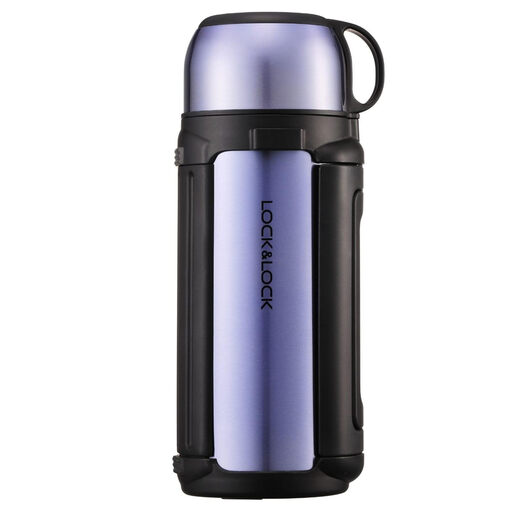
Why This Fits Their Persona: With a capacity of 1.5 litres, this jug is ideal for keeping coffee, tea, or cold drinks ready for several people. The carrying strap and folding handle also make it practical for picnics or garden parties.
It addresses the problem of difficult cleaning. The wide opening allows for uncomplicated filling and cleaning by hand, which is often not possible with jugs that have complex lids.
Large volume (1.5L) and thoughtful details like an integrated cup and flexible carrying options. The inner copper coating helps maintain temperature.
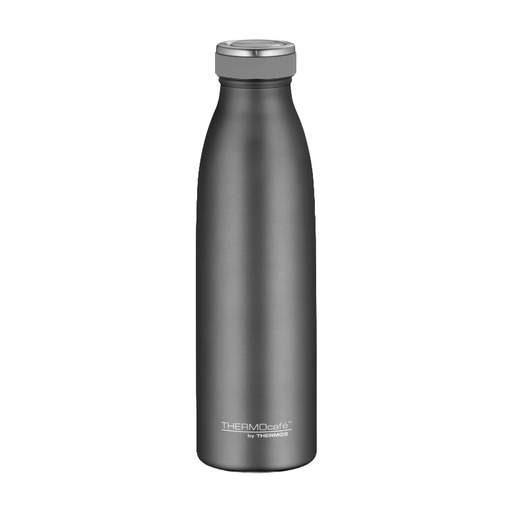
Why This Fits Their Persona: The slim, lightweight design fits effortlessly into backpacks or briefcases. At 0.5 litres, it's the perfect size for morning coffee or water for a day at the office.
Addresses the biggest concern for commuters: leaks. The manufacturer states that the bottle is 100% leak-proof, even with carbonated drinks. The rubberised screw cap ensures a secure seal.
A combination of a slim design and a high degree of leak-proofing. The odourless and taste-neutral stainless steel material ensures pure enjoyment.
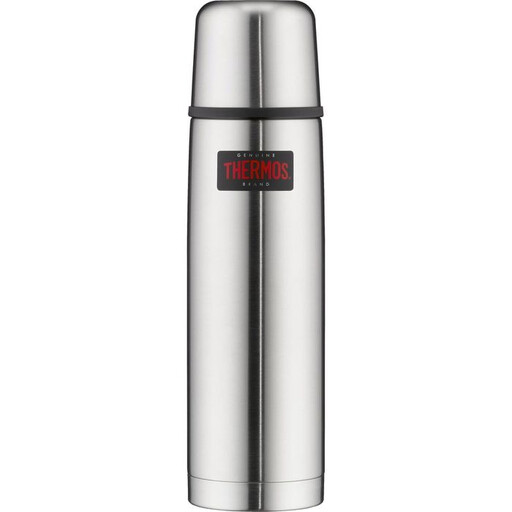
Why This Fits Their Persona: This bottle is designed for durability. The impact- and shatter-proof construction makes it a reliable partner for hikes or other outdoor activities. The 0.75 litre volume is a good compromise between supply and weight.
Avoids the trap of insufficient insulation performance on long tours. According to the manufacturer, it keeps drinks hot for up to 18 hours and cold for up to 24 hours, which is sufficient for all-day excursions.
Impact- and shatter-proof construction. The dismountable auto-seal lid with an integrated drinking cup is practical and easy to take apart for cleaning.
We have compiled a complete, up-to-date list of products that fully meet these strict selection criteria and UK safety regulations.
For a long life and hygienic cleanliness, most stainless steel bottles are recommended to be cleaned by hand. Rinse the bottle with warm water and mild washing-up liquid after each use. A bottle brush helps to reach the bottom. For stubborn deposits, special cleaning tablets or a mixture of baking soda and hot water can help. Always let the bottle dry open to prevent odours from forming.
This depends on the specific model. Some bottles, like the featured Thermos TC Bottle, are explicitly designed for this according to the manufacturer. However, with most standard insulated bottles, the pressure created by the carbonation can damage the seal and lead to leaks. Therefore, always check the manufacturer's instructions before filling with carbonated drinks.
The main difference lies in the durability and taste experience.