
Lieferung heute & morgen

Qualitätsgarantie

Willkommens-Angebote freischalten: KOSTENLOSE Lieferung | Bis zu 80 % RABATT | Kostenlose 30-Tage-JoyPlus-Testphase
App herunterladen
A high-quality insulated lunch box can make your daily routine significantly easier, whether it's for a hot lunch at the office, a fresh meal at university, or a nutritious snack on a family outing. But the market is flooded with products making big promises. To ensure your investment doesn't end in lukewarm soup or a soggy bag, we'll show you what really matters.
As your Joybuy Product Recommendation Officer, I have analyzed the most common pitfalls that lead to buyer's remorse and have summarized the key features that define a reliable product.
Many containers look sturdy and functional at first glance, but only reveal their weaknesses during daily use. Watch out for these three common problems to avoid disappointment.
To avoid the problems mentioned above, you should check three core parameters before buying. These determine the durability and daily performance of your insulated lunch box.
Most high-quality food jars are made of stainless steel. However, there are important differences:
The ability to keep food warm on the go depends on the insulation. The most effective method is double-wall vacuum insulation. A vacuum is created between the inner and outer walls of the container, which almost completely prevents heat transfer (convection). Look for this feature in the product description. A simple double-walled design without a vacuum offers significantly lower insulation performance.
A good lid is just as important as the container itself. Look for models with a screw-on lid and a thick, removable silicone gasket. This combination offers the most reliable protection against leaks. A simple click-lock system is sufficient for solid foods in a lunch box for work, but it is unsuitable for liquids.
The capacity should match your needs:
Here are some recommendations tailored to different users and their specific needs.
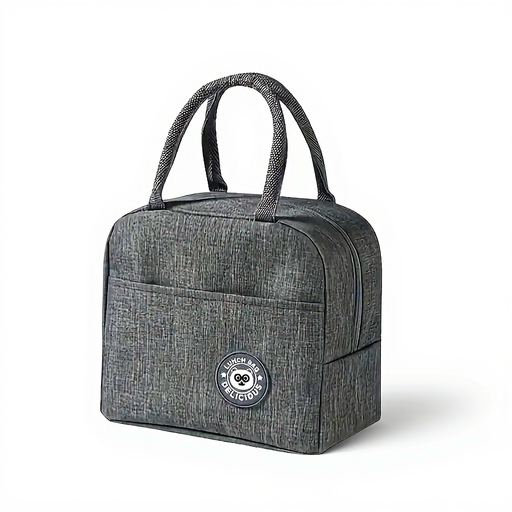
Why This Fits Their Persona: Ideal for students and professionals who already have a favorite lunch container and are looking for a simple, flexible insulation solution. This insulated lunch bag is lightweight and has room for a standard lunch box plus a drink or fruit.
Bypasses the problem of odor retention, as food stays in your own container. The bag itself is easy to clean and serves as an extra insulating layer without requiring an expensive all-in-one system.
High flexibility, as it can be combined with various containers. Lightweight and easy to transport.
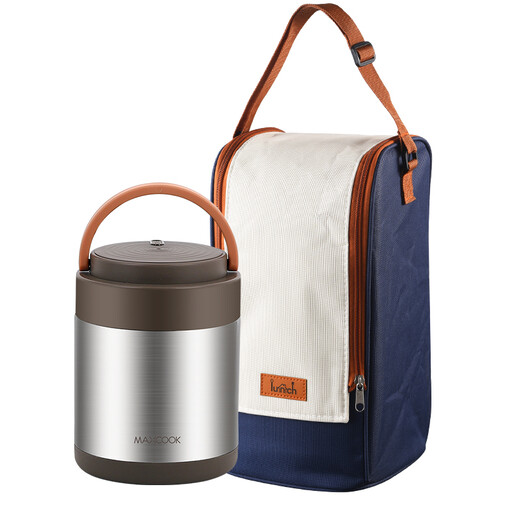
Why This Fits Their Persona: Perfect for professionals who need a reliable solution for hot soups, stews, or curries. The 1.4-liter capacity is sufficient for a filling lunch.
Directly addresses the leakage problem with a tight-sealing lid and a robust gasket. The vacuum insulation provides reliable heat retention for 4-6 hours according to the manufacturer, which is realistic for the commute and lunch break.
Durable 304 stainless steel and a wide mouth that makes filling, eating, and cleaning easier. A solid food thermos for daily use.
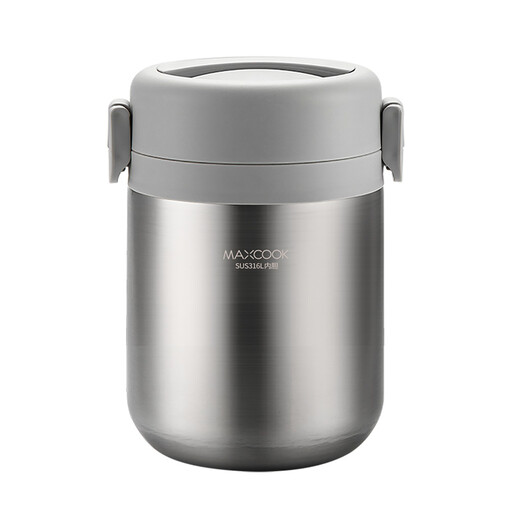
Why This Fits Their Persona: For users who refuse to compromise on material and durability. Ideal for family outings or transporting acidic and heavily spiced foods without risking corrosion or flavor transfer.
Prevents material fatigue and corrosion by using high-grade 316 stainless steel. This ensures a long lifespan and flavor neutrality, even with intensive use and a wide variety of foods.
Superior corrosion resistance compared to 304 stainless steel. Large 1.5-liter capacity and a leak-proof design.
We've compiled a complete, up-to-date list of products that fully meet these strict selection criteria and safety standards.
1. How can I maximize my container's insulation performance? To optimize heat or cold retention, you should pre-condition the container. Before use, fill it with hot water (for hot food) or cold water (for cold food) for 5-10 minutes. Empty the water and then immediately fill it with your meal. Additionally, fill the container as full as possible, as less air space results in less heat loss.
2. Can I clean my insulated lunch box in the dishwasher? In most cases, hand washing is recommended. The high pressure and harsh detergents in a dishwasher can damage the exterior finish and, more importantly, degrade the lid's gaskets or compromise the container's vacuum seal. The wide mouth on most models makes hand washing easy.
3. Is an insulated bento box a good alternative? An insulated bento box is an excellent choice if you want to transport multiple components of a meal separately. Many models consist of an outer insulated shell and several inner, non-insulated compartments. They are good for keeping food lukewarm or salads cool, but they rarely achieve the same high heat retention for hot liquids as a dedicated soup thermos.