
Lieferung heute & morgen

Qualitätsgarantie

Willkommens-Angebote freischalten: KOSTENLOSE Lieferung | Bis zu 80 % RABATT | Kostenlose 30-Tage-JoyPlus-Testphase
App herunterladen
The selection of interactive toys is vast and constantly growing. For parents, grandparents, and anyone looking for meaningful gifts for children, it's becoming increasingly difficult to keep track and find products that offer more than just fleeting entertainment. Many toys promise high educational value but quickly turn out to be a disappointment.
This guide will help you identify common purchasing traps and evaluate the crucial features. This way, you can make an informed decision for a toy that truly nurtures development and provides lasting enjoyment.
The 3 most common traps when buying interactive toys:
To avoid these traps, it's helpful to focus on objective criteria. Instead of being swayed by marketing promises, you should carefully examine the following three aspects.
A good educational toy for children adapts to the abilities of the specific age group. For toddlers (2–4 years), interaction primarily means understanding cause and effect: a button is pressed, and a sound is made. For older children (5+ years), smart toys should offer more complex tasks that require logical thinking, creativity, or strategic planning. Check whether the interaction encourages the child to take active part, rather than just passively supplying them with stimuli.
The longevity of a toy depends significantly on its construction. Look for robust materials like ABS plastic, which is known for being durable and safe. Another key point is the power source for the electronic toy:
Toys with lights and sound can capture attention, but the quality of the interaction is what matters. A good creative toy uses these effects to provide feedback, tell a story, or guide a child in solving a task. Ask yourself: Do the effects serve a purpose, or are they just for show? Toys that respond to touch, movement, or even voice often provide a deeper and more engaging play experience.
To make your decision easier, we have selected a few products based on the criteria above, tailored to different profiles.
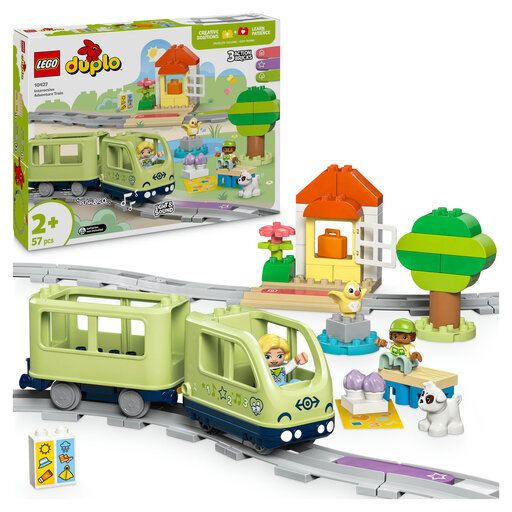
Why it's a great fit: Ideal for toddlers discovering the principle of cause and effect. The large, easy-to-grip bricks are safe and promote fine motor skills, while the interactive action bricks provide direct feedback with lights and sound.
The interaction is not passive. The child must actively build the tracks and strategically place the action bricks to trigger a response. This playfully teaches planning and logical sequences.
Develops fine motor skills and early logical thinking. Compatibility with the entire LEGO DUPLO system ensures long-lasting play value and expandability.
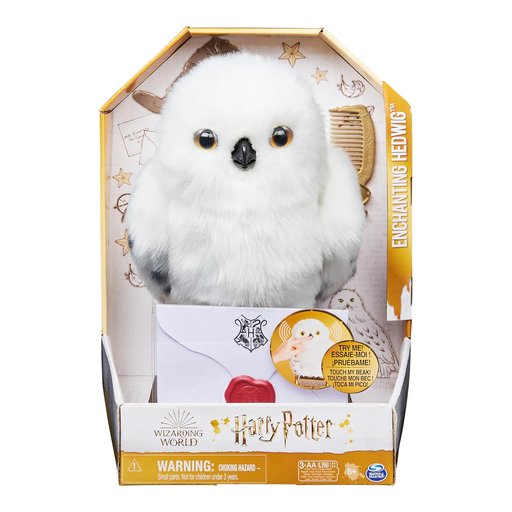
Why it's a great fit: Appeals to children who love stories and enjoy immersing themselves in role-playing. The owl reacts to touch and the tone of voice, making imaginative play especially lively and immersive.
The interaction is directly tied to role-playing (delivering messages, showing emotions) and isn't just a series of random effects. This actively encourages narrative and creative play.
With over 15 sounds and movements, plus reactions to voice and touch, it achieves a high level of interaction that inspires children to tell their own stories.
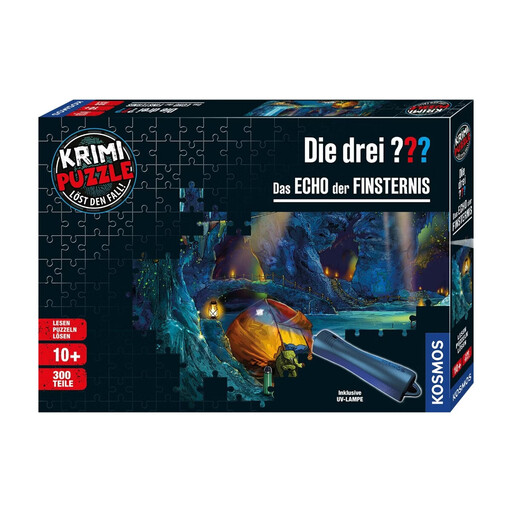
Why it's a great fit: Perfect for older children looking for a mental challenge. It combines multiple activities—reading, puzzling, and solving riddles—into a captivating experience that demands concentration and logical thinking.
This is the opposite of a "pseudo-learning" toy. It specifically challenges cognitive skills like reading comprehension, deductive reasoning, and attention to detail to solve the case.
The combination of an exclusive short story, a 300-piece puzzle, and a UV lamp to uncover hidden clues creates a unique, multi-layered play experience.
We have compiled a complete, up-to-date list of products that fully meet these strict selection criteria and all applicable safety regulations.
The power source is an important practical consideration. Toys with USB charging are often convenient, as you don't need to buy replacement batteries. However, check the charging and playtime. Models with standard batteries (e.g., AA or AAA) are flexible because empty batteries can be swapped out quickly, but they do create ongoing costs. Check if batteries are included to avoid disappointment upon unboxing.
Never submerge electronic toys in water. For cleaning, a soft, slightly damp cloth is usually sufficient. Gently wipe the surface, ensuring no moisture gets into charging ports, speaker grilles, or battery compartments. Always follow the specific cleaning instructions provided by the manufacturer in the included manual.
The term 'smart' is flexible. For toddlers, a smart toy is one that responds to their actions, thus fostering an understanding of cause and effect. For preschoolers and school-aged children, they become beneficial when the toy encourages logical thinking, problem-solving, or even introductory coding steps. The key factor isn't age alone, but whether the challenge matches the child's individual developmental stage, without being overwhelming or underwhelming.