
Lieferung heute & morgen

Qualitätsgarantie

Willkommens-Angebote freischalten: KOSTENLOSE Lieferung | Bis zu 80 % RABATT | Kostenlose 30-Tage-JoyPlus-Testphase
App herunterladen
Purchasing a new iPhone 17 is a significant investment. To preserve the device's value and functionality long-term, a suitable protective case is essential. However, the market offers an overwhelming selection, and many products don't live up to their marketing promises. As a Joybuy Product Recommendation Officer, I'll help you separate the good from the bad and make an informed decision.
This guide will show you the most common pitfalls when buying an iPhone 17 case and explain which technical features you should look for to protect your device effectively.
Many cases advertise impressive features that disappoint in practice. Pay close attention to these three points to avoid a bad purchase:
To avoid the issues mentioned above, you should focus on objective and verifiable criteria. The same principles also apply when looking for a high-quality Samsung Galaxy S25 case.
An effective protective case combines different materials to leverage their respective advantages. A proven design is the hybrid construction:
Such a dual-layer construction makes a case shock-resistant without being excessively bulky.
For users in the Apple ecosystem, a good MagSafe case is crucial. Ensure the case has an integrated magnetic ring that is precisely aligned with the iPhone 17's internal magnets. This is the only way to guarantee a stable connection and optimal charging performance.
Furthermore, some models offer useful additional features that make daily life easier:
Based on the criteria above, we have identified some cases suitable for different needs.
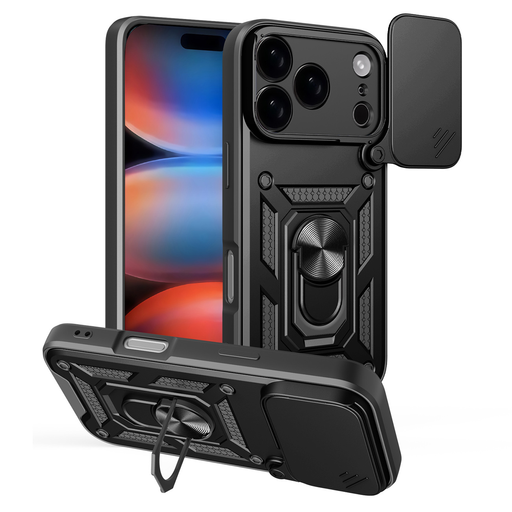
Why This Fits Their Persona: Ideal for users seeking a balanced combination of solid protection and practical everyday features. The focus is on functionality, not brand names.
This case goes beyond basic protection by integrating a functional stand and a camera slider, without becoming bulky or overly thick.
The dual-layer construction of TPU and polycarbonate offers reliable protection, while the integrated camera cover and stand provide real added value in daily use.
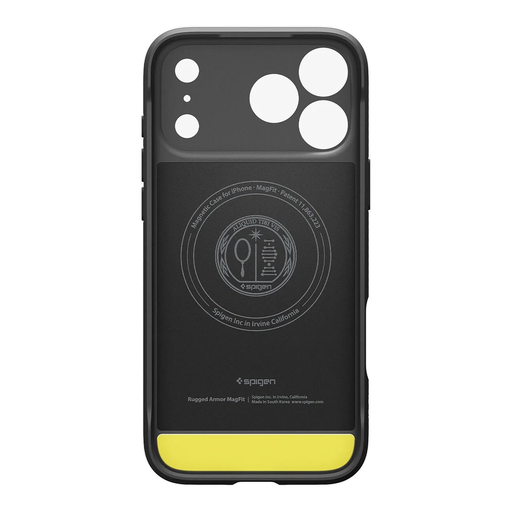
Why This Fits Their Persona: Perfect for tech enthusiasts who want to fully leverage the MagSafe ecosystem. The slim design and the well-known Spigen Rugged Armor brand stand for a reliable fit and aesthetic.
Features a precisely aligned, strong magnetic ring that ensures a stable connection to MagSafe accessories and efficient charging performance—unlike cases with weak magnets.
Strong MagSafe compatibility combined with Spigen's proven Air Cushion Technology for effective corner protection in a slim, grippy design.
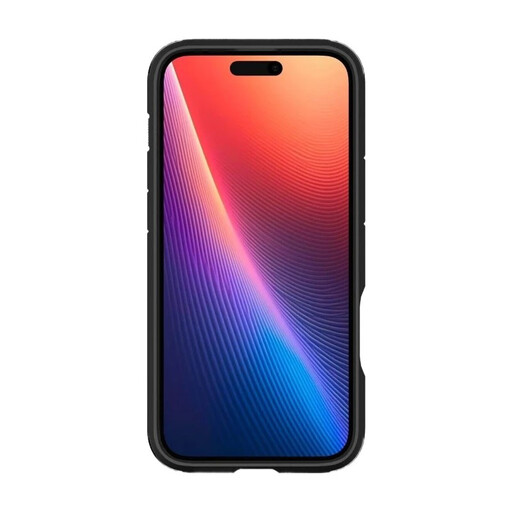
Why This Fits Their Persona: Ideal for users in demanding environments (e.g., construction sites, outdoor activities) who need a true armor case that offers maximum protection against drops and impacts.
Provides true multi-layer protection (soft TPU core and hard PC shell) that effectively absorbs shocks. This goes far beyond simple "shockproof" claims and offers dependable protection.
The multi-layer construction with additional shock absorption technology provides a high level of protection. The integrated kickstand and MagSafe compatibility maintain functionality.
We have compiled a complete, continuously updated list of products that fully meet these strict selection criteria and safety regulations.
1. Does a rugged case affect charging performance or reception? Modern, well-designed protective cases, including rugged models, are engineered not to interfere with signal strength (cellular, Wi-Fi, Bluetooth) or wireless charging. For MagSafe cases, it's important to look for a correctly placed magnetic ring to avoid reducing charging efficiency. Materials like TPU and polycarbonate are permeable to radio signals.
2. How do you properly clean a TPU and polycarbonate case? For cleaning, a soft, slightly damp cloth is usually sufficient. For tougher grime, a mild soap solution can be used. Avoid aggressive cleaning agents, alcohol, or abrasive cleaners, as they can damage the materials, especially the matte or glossy finish. Remove the smartphone from the case before cleaning.
3. What does "military-grade drop protection" really mean? The MIL-STD-810G standard is a series of tests developed by the U.S. military to assess the durability of equipment under various environmental conditions. For phone cases, Test 516.6 (Shock) is often cited, which involves repeated drops from a specific height (e.g., 1.2 meters or 4 feet) onto a hard surface. However, its significance is limited, as manufacturers rarely disclose the exact test conditions (number of drops, impact surface). Consider it a point of reference, but rely more heavily on the case's construction and materials.