
Lieferung heute & morgen

Qualitätsgarantie

Willkommens-Angebote freischalten: KOSTENLOSE Lieferung | Bis zu 80 % RABATT | Kostenlose 30-Tage-JoyPlus-Testphase
App herunterladen
The Apple iPhone 17 is a technologically advanced device, and its display is central to the daily user experience. To preserve its visual quality and functionality long-term, reliable screen protection is essential. Scratches from keys in your pocket or a single careless moment can lead to costly damage.
This article serves as your guide. We'll introduce different types of screen protectors and explain the key features to look for when making your choice. Our goal is to provide you with the information you need to make an informed decision and find the right iPhone 17 screen protector.
The accessories market is vast, and the differences are often in the details. Three key criteria will help you find the right product for your needs.
Most high-quality screen protectors are advertised with a 9H hardness rating. This value refers to the pencil hardness scale and indicates that the material can resist scratches from a 9H pencil—the hardest standard. A scratch-resistant tempered glass for the iPhone 17 with this rating offers solid protection against everyday hazards like keys, coins, or grains of sand. The material is typically tempered glass, which is designed to break into small, dull pieces if it shatters, minimizing the risk of injury.
A good screen protector must fit the iPhone 17's display precisely while also being compatible with most protective cases ("case-friendly"). Otherwise, the case can lift the protector's edges, causing air bubbles. Many manufacturers therefore include an iPhone 17 screen protector with an installation frame. This application tool fits over the smartphone and guides the glass into the perfect position, ensuring a bubble-free and straightforward installation.
Beyond basic protection, some screen protectors offer useful extra features:
Based on the criteria mentioned, we have compiled a selection of products that cater to different needs.
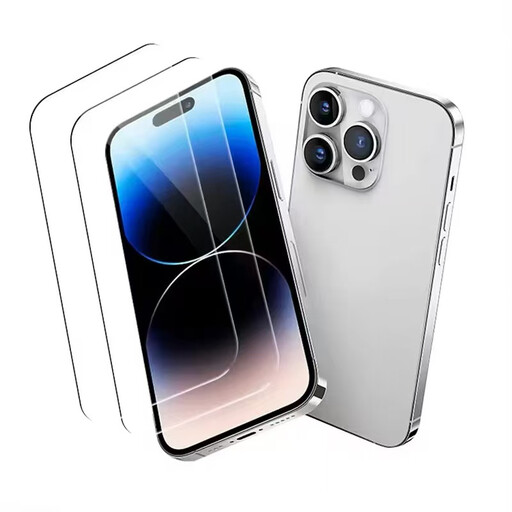
Why it stands out: This screen protector combines multiple protective features into one product. The 360-degree privacy guard ensures complete privacy from all viewing angles, while the anti-blue light function reduces eye strain. According to the manufacturer, various coatings ensure a clean and responsive surface.
Pros:
Who is it for? Users who frequently work in public spaces or open offices and require maximum privacy. Ideal for commuters and anyone who handles sensitive information on their device while also valuing eye comfort.
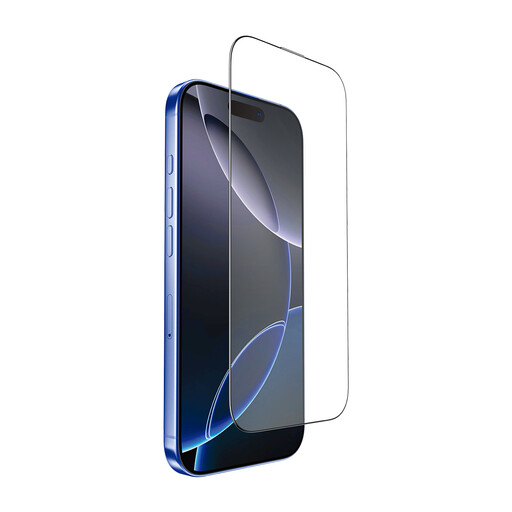
Why it stands out: The focus of this screen protector is on visual comfort. Its integrated anti-blue light filter is designed to be colorless, minimizing its impact on the display's color accuracy. The dust-proof design along the edge prevents particles from accumulating under the glass.
Pros:
Who is it for? Users who spend a lot of time on their smartphone, especially in the evenings, and are looking for a solution that can reduce eye strain without noticeably altering the display's colors.
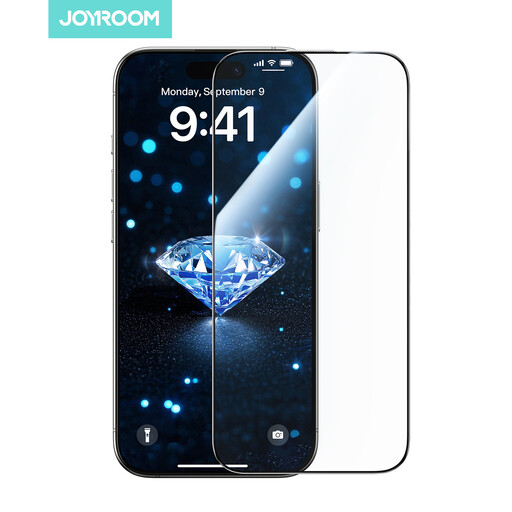
Why it stands out: This model focuses on the core functions: protection and clarity. It features reinforced hardness against scratches and is optimized for high-definition (HD) clarity. Like its sibling model, it is dust-proof and provides full-screen coverage.
Pros:
Who is it for? Purists who prioritize uncompromised display clarity and reliable scratch protection. A great choice for anyone seeking a solid, no-frills solution without special features like a privacy screen or blue light filter.
The products featured here cover common use cases. However, if you are looking for other specific features or designs, a wider range of options is available.
→ Explore our entire range of screen protectors
What does the 9H hardness rating on a screen protector mean? The 9H hardness rating describes the scratch resistance of the glass surface. It's measured on the pencil hardness scale, where a 9H pencil (the hardest) cannot leave a visible scratch on the glass. This provides effective protection against everyday objects like keys or coins, but not necessarily against hard drops or sharp, hard minerals like quartz sand.
Does a screen protector affect the usability of the iPhone 17? Modern, high-quality screen protectors are designed not to interfere with the device's functionality. They are typically very thin and have a smooth surface that ensures high touch sensitivity. Features like Face ID are also not affected, thanks to precise cutouts or the glass's transparency.
How do I install a screen protector without bubbles? A dust-free environment is crucial for a bubble-free installation. Thoroughly clean the display with the included alcohol wipe and microfiber cloth. An installation frame, which comes with many products, is a huge help for precise alignment. After peeling off the backing, slowly place the glass onto the display. It will usually adhere on its own. Any small bubbles can often be gently pushed out to the sides.