
Lieferung heute & morgen

Qualitätsgarantie

Willkommens-Angebote freischalten: KOSTENLOSE Lieferung | Bis zu 80 % RABATT | Kostenlose 30-Tage-JoyPlus-Testphase
App herunterladen
As a Joybuy Product Recommendation Officer, I see it as my duty to provide you with clear, objective guidance through the diverse world of international specialities. Finding authentic Japanese milk pastries can be a challenge given the vast number of options available. This article is designed to give you an overview of the different types of milk pastries from Japan, helping you make an informed choice that suits your preferences.
Before you buy Japanese snacks, a few considerations can make the selection process easier. The following points are based on objective product characteristics and will help you understand the differences between the available options.
Japanese milk pastries come in various forms, each offering a distinct texture and flavour experience.
Many high-quality dairy products from Japan, including pastries, are promoted for their use of milk from Hokkaido. The northern Japanese island is renowned for its agriculture and, in particular, its dairy production. A Hokkaido milk cake often indicates the use of milk from this specific region, which many consumers associate with a full-bodied and creamy flavour.
When buying imported sweets from Japan, it is advisable to carefully check the ingredient list and allergen information. Products intended for the EU market must be labelled in accordance with local regulations. Pay attention to the labelling of common allergens such as wheat (gluten), eggs, milk, and soy.
Here is a curated selection of different milk pastries that represent the diversity of Japanese baked goods. Each product is presented based on its objective characteristics.
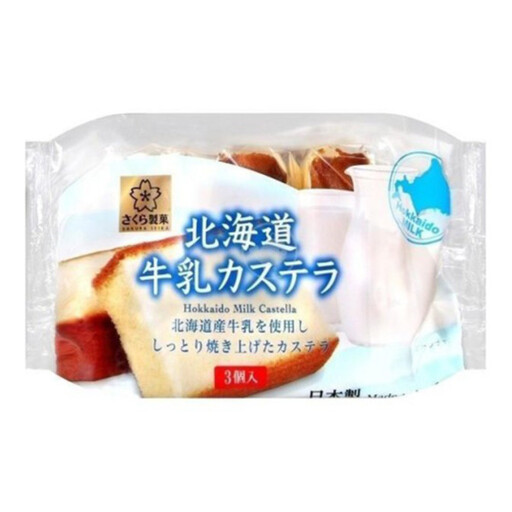
Why It Stands Out This Japanese milk cake is distinguished by its exceptionally soft and fluffy texture. According to the manufacturer, the product contains 3% milk and comes in convenient, individually wrapped portions, which preserves its freshness.
Pros
Who It's For This product is a great choice for those who prefer light and moist cakes. The individual packaging also makes it a convenient snack for on the go or a small addition to breakfast.
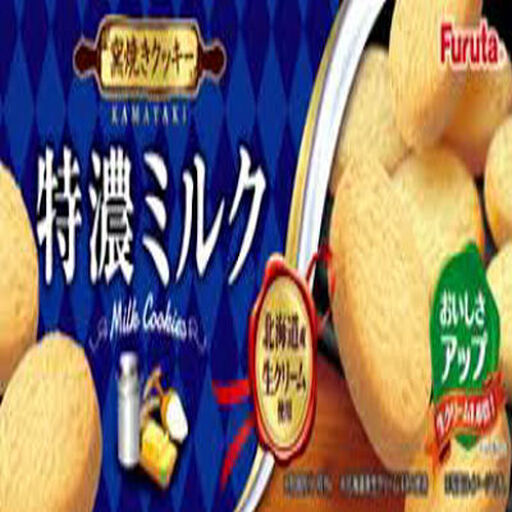
Why It Stands Out These Japanese milk cookies are made with a blend of different dairy ingredients, including butter, skimmed milk, and whey powder. The texture is short and crumbly, giving them an artisanal character.
Pros
Who It's For Ideal for anyone looking for a traditional cookie with an intense milk and butter flavour. Their firm consistency makes them a fitting companion for a cup of tea or coffee.
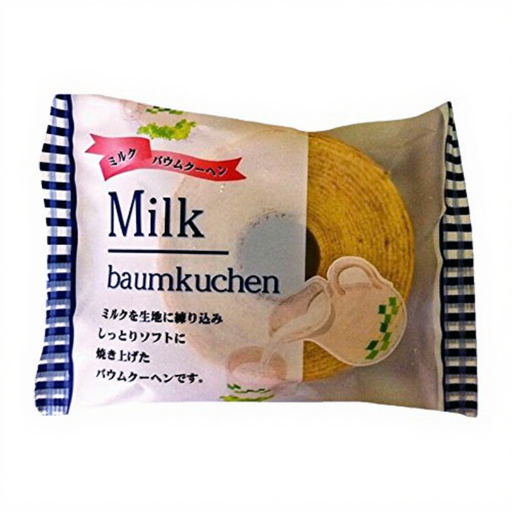
Why It Stands Out This Japanese-style Baumkuchen combines the characteristic layered structure with a distinct milky flavour, created by using whole milk and sweetened condensed milk. The texture is very soft and moist, which is typical of the Japanese interpretation of this pastry.
Pros
Who It's For This product is aimed at lovers of very moist and sweet baked goods. Those who appreciate the special, ring-like texture of Baumkuchen and prefer a soft version will find this a suitable option.
If you haven't found the perfect item among these recommendations or wish to explore the diversity of Japanese confectionery further, you can find a broader selection in our category. There, you can compare more options and find the product that best matches your taste.
Discover more milk snacks here
Japanese milk pastries are often characterized by a special texture and a subtle, balanced flavour. Compared to many European sweets, the sweetness is often more restrained. There is a strong focus on the quality of the ingredients, such as the milk, and on the consistency of the pastry, whether it's the fluffiness of a cake or the tenderness of a Baumkuchen.
Authentic sweets from Japan are available from specialized online shops that focus on importing Asian foods. These platforms offer a wide selection and ensure that products comply with EU regulations for labelling and food safety. You can also find them in well-stocked Asian supermarkets in larger cities.
Although Baumkuchen originally comes from Germany, it has been adapted in Japan and has become an extremely popular and distinct confection there. The Japanese-style Baumkuchen often differs with a softer, moister texture and is offered in many different flavours. It is an integral part of Japanese gift-giving culture and the art of pastry.