
Lieferung heute & morgen

Qualitätsgarantie
App herunterladen
Kategorien
Sheet masks for blemish-prone skin are based on the principle of occlusion. A non-woven fabric soaked in an active ingredient serum is placed on the face, creating a temporary barrier. This effect can intensify the penetration of ingredients into the uppermost layer of the skin, the stratum corneum. In the context of acne-prone skin, formulations that target specific issues such as excess sebum production, keratinization disorders, inflammation, and bacterial colonization are particularly relevant.
The effectiveness of a sheet mask for blemishes critically depends on the concentration and combination of its active ingredients. Concepts from Japanese Skincare (J-Beauty) often rely on highly concentrated yet low-irritant formulas to support the skin barrier rather than stressing it.
The selection of a suitable acne mask should be based on an analysis of its ingredients and product technology. The following criteria are relevant for making an informed decision.
The formulation is the deciding factor. Certain active ingredients have proven to be functional in the care of blemish-prone skin:
The mask's carrier material influences ingredient delivery. Thin, highly adhesive non-woven fabrics made from cotton or special fibres adhere closely to the skin and minimise serum evaporation. Some manufacturers, like Quality 1st, also use nanocapsule technologies to keep active ingredients stable and optimise their penetration into the stratum corneum.
For acne-prone skin, which often reacts sensitively, a low-irritant formulation is advantageous. Products without added alcohol, synthetic fragrances, or colourants reduce the potential for irritation. Statements like "tested non-comedogenic" indicate that the product has been formulated to avoid further clogging of the pores.
Based on the technical criteria mentioned above, we present three products from the Japanese Skincare range designed for the care of blemish-prone skin.
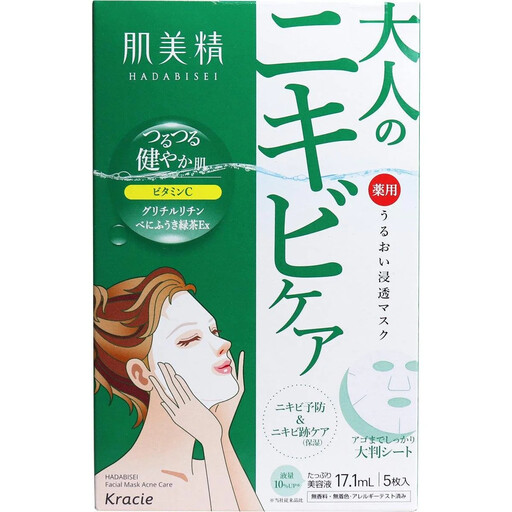
Why we recommend this product: This mask combines two key active ingredients for acne care: Salicylic Acid to exfoliate the pores and Tea Tree Oil with its antibacterial properties. The addition of Witch Hazel extract serves to soothe and regulate sebum production. The formulation aims for a comprehensive treatment of blemishes.
Benefits:
Best for: Individuals with acne-prone skin who are looking for a targeted treatment for pimples and blackheads and prefer a combination of exfoliating and antibacterial active ingredients.
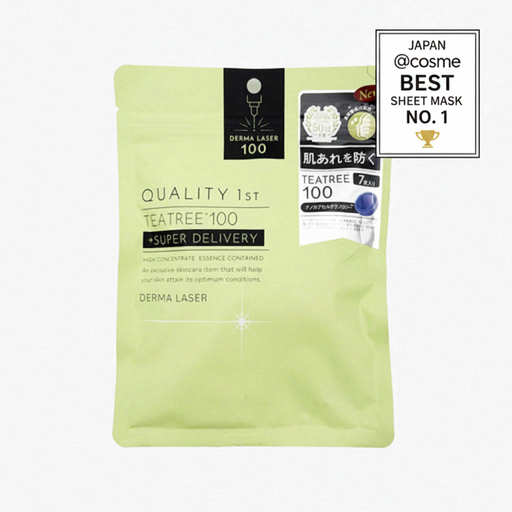
Why we recommend this product: This product is distinguished by its high concentration of Tea Tree Oil extract and Dipotassium Glycyrrhizate. Its unique feature is the "Derma Laser" application technology: active ingredients are enclosed in nanocapsules to enable rapid and deep penetration. The short application time of 3 minutes makes it an efficient option. The formula is free from preservatives, alcohol, and fragrances.
Benefits:
Best for: Users with irritated, red, and blemish-prone skin who are looking for a fast, highly effective, and soothing SOS treatment and value a minimalist, low-irritant formula.
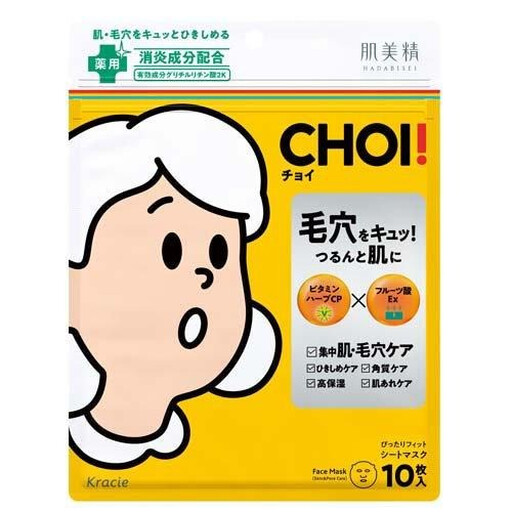
Why we recommend this product: This Salicylic Acid mask is designed as a targeted treatment for acne-prone skin. It combines the pore-clarifying effect of Salicylic Acid with the anti-inflammatory potential of Dipotassium Glycyrrhizate. Additionally, the formula contains botanical extracts such as Apple, Job's Tears seed, and Green Tea, which can have a skin-regulating and pore-refining effect. According to the manufacturer, the product has been tested for allergic reactions and comedogenicity.
Benefits:
Best for: Those seeking a regular maintenance mask for preventing and treating blemishes, who appreciate a formula that combines both active chemical ingredients and natural extracts.
If the products featured here don't perfectly match your needs, you can find a wider selection in our main category. Discover more formulations and ingredient combinations in our Japanese Mask assortment.
1. How often should you use a sheet mask for blemishes? The recommended frequency of use depends on the product's formulation and individual skin sensitivity. Most manufacturers recommend using them 2-3 times a week. Overuse, especially of masks with exfoliating acids, can weaken the skin barrier. It is advisable to follow the instructions on the product packaging.
2. Can a sheet mask make acne worse? When choosing a mask for acne-prone skin, it is important to look for non-comedogenic formulas. Ingredients like heavy oils or certain silicones could clog pores. A mask with suitable active ingredients like Salicylic Acid or Tea Tree Oil is generally beneficial. For very sensitive skin, a patch test (applying a small amount of the serum to an inconspicuous area) is recommended to check for compatibility.
3. What is the functional difference between a sheet mask and a cream mask for blemish-prone skin? The main difference lies in the application principle and mechanism of action. A sheet mask is a non-woven fabric soaked in a liquid serum. It works through occlusion, delivering water-soluble ingredients intensively to the skin. A cream mask (or clay mask) has a paste-like texture. Clay masks often have an absorbent effect, drawing excess sebum and impurities from the pores, while cream masks are typically more nourishing and hydrating. The choice depends on the desired goal: intensive ingredient delivery (sheet mask) or deep-cleansing absorption (clay mask).