
Lieferung heute & morgen

Qualitätsgarantie

Willkommens-Angebote freischalten: KOSTENLOSE Lieferung | Bis zu 80 % RABATT | Kostenlose 30-Tage-JoyPlus-Testphase
App herunterladen
Stubborn weeds and moss that take root in the joints of paths, patios, and driveways are a recurring problem for many home and garden owners. Manual removal is often tedious, while chemical agents are not always the desired or most eco-friendly solution. The right tool can make this job significantly easier, leading to clean, well-maintained outdoor spaces.
This guide introduces a selection of tools designed for cleaning joints. We'll explain which features to look for when making your choice and present specific product recommendations to help you decide.
Choosing the right tool depends on several factors. To make an informed decision, you should consider the following aspects.
The core of any joint scraper is its blade. Materials like stainless steel are a preferred choice here. Stainless steel is not only robust and resistant to mechanical stress but also corrosion-resistant. This means the tool won't rust, even with regular contact with moisture. A sharp, sturdy blade allows you to precisely cut through and lift even deep-rooted weeds and stubborn moss from the joints.
Since removing weeds from joints is often a repetitive task, the handle plays a crucial role in your comfort. An ergonomic handle that fits well in your hand reduces strain on your wrist and arm muscles. Handles made from materials like TP+TPR (Thermoplastic Rubber) offer a non-slip surface, ensuring a secure grip even in damp conditions. Look for a shape that is suitable for both right- and left-handed users if multiple people in the household will be using the tool.
Joint cleaners come in various designs. Narrow, hook-shaped blades (often called an L-shape) are excellent for getting into tight paving joints. Tools with a straight, sharp edge can be used like a weeder to remove individual plants, root and all. Some models have additional features, such as a serrated back for scraping surfaces or an integrated joint brush for removing loose debris. Consider the type of joints and growth you'll primarily be dealing with to select the right moss remover.
Based on the criteria above, we have compiled a selection of tools suitable for maintaining joints and gardens.
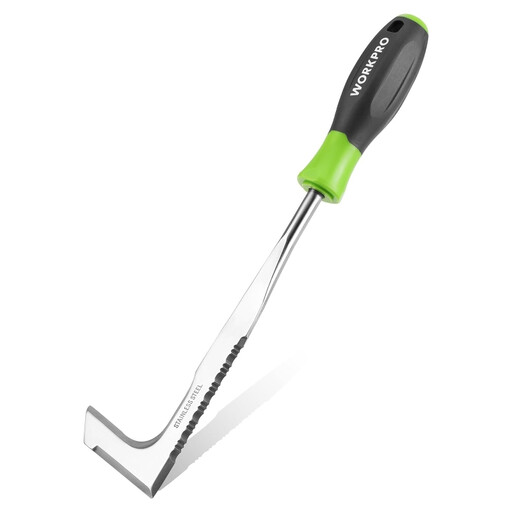
Why it stands out: This tool from WORKPRO combines multiple functions in one design. The primary blade features a 7-shaped design, specifically engineered for working in cracks and crevices. A special feature is the serrated back edge, which provides extra power for scraping stubborn growth off surfaces. The plastic handle includes a convenient hanging hole for easy storage.
Advantages:
Who is it for? Users looking for a versatile tool that can be used not only for cleaning paving joints but also for the surface removal of moss and dirt on paths and patios.
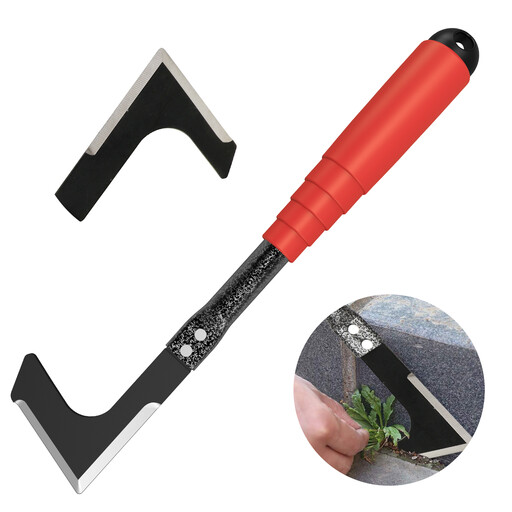
Why it stands out: The weeding scraper from FLORA GUARD stands out with its sharp, narrow blade made of high-strength stainless steel. The design is focused on precision, allowing it to penetrate even very narrow joints between paving slabs or in wall cracks. The ergonomic handle, made of TP+TPR material, is designed for both left- and right-handed users and provides a secure, comfortable grip during extended use thanks to its non-slip surface.
Advantages:
Who is it for? Home gardeners and property owners who need a specialised, precise tool for removing weeds and moss from narrow joints and who value a high level of working comfort.
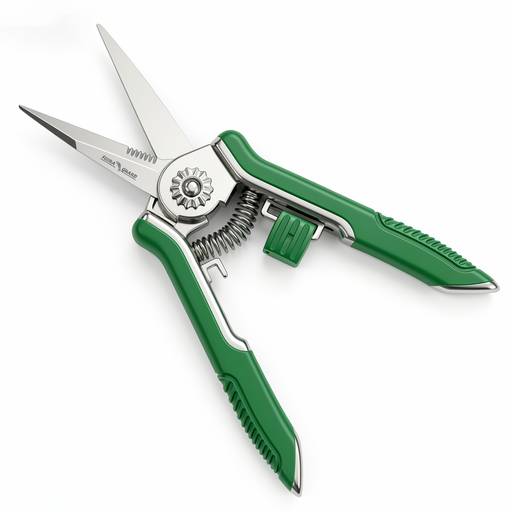
Why it stands out: Although this is not a classic joint scraper, these pruning snips are a valuable addition to your garden care toolkit. With their precise, micro-tip blades made of polished stainless steel (54 HRC hardness), they are ideal for cutting stems, light branches, or stubborn weed roots protruding from joints. The ergonomic, cushioned handle reduces effort and is suitable for both hands.
Advantages:
Who is it for? Gardening enthusiasts who need a precision cutting tool for detail work, such as trimming roses, shrubs, or preparing for joint cleaning by removing overhanging plant parts.
If you haven't found the right tool for your needs yet or are looking for more specialised solutions for your garden, you can find a wider selection of equipment in our garden supplies category.
Explore our range of stainless steel tools to find the right product for your projects.
1. How can you remove weeds from joints without using chemicals? The most effective and eco-friendly method is manual removal with specialised tools. A joint scraper or weeder lifts weeds and their roots out of the crevices. A wire or joint brush is well-suited for removing moss and smaller plant debris. Hot water or a pressure washer can also be effective but should be used with caution to avoid damaging the joint filling.
2. Which tool is best for cleaning paving joints? The choice depends on the joint width and the type of growth. For narrow joints and deep-rooted weeds, a narrow, sharp weeding scraper with a hook blade is ideal. For wider joints or surface moss, a sturdy joint brush with steel bristles can be very effective. Often, a combination of both tools is the most practical solution.
3. Is a stainless steel joint scraper a better choice? Yes, in most cases, stainless steel is the better choice for a joint scraper's blade. The material is extremely durable, resistant to bending, and doesn't break as easily as cheaper metals. It is also rust-resistant, which significantly extends the tool's lifespan, especially with frequent contact with damp soil and plant debris.