
Lieferung heute & morgen

Qualitätsgarantie

Willkommens-Angebote freischalten: KOSTENLOSE Lieferung | Bis zu 80 % RABATT | Kostenlose 30-Tage-JoyPlus-Testphase
App herunterladen
Kidney beans are a staple in many kitchens worldwide. Whether for a hearty chili, a nutritious salad, or a rich stew, their versatility and nutritional profile make them a popular choice for health-conscious consumers, families, and home cooks. However, with the variety of options available—from canned beans to dried beans—making a choice can be overwhelming.
This guide is designed to help you make an informed decision. We will highlight the key differences between products and present a selection of kidney beans that stand out for their specific qualities. Our goal is to provide you with objective information so you can buy the beans that are right for you.
To find the right beans for your needs, you should consider a few basic criteria.
The choice between canned and dried beans depends on your priorities: time, cost, and control over ingredients.
The farming method affects the product.
Kidney beans are naturally a valuable source of nutrients. They are known for being rich in protein and high in fibre.
Comparing the nutritional information on the packaging can help you identify products that are particularly rich in these nutrients.
Here you will find a selection of products that cater to different needs—from a quick meal to an economical bulk pack.
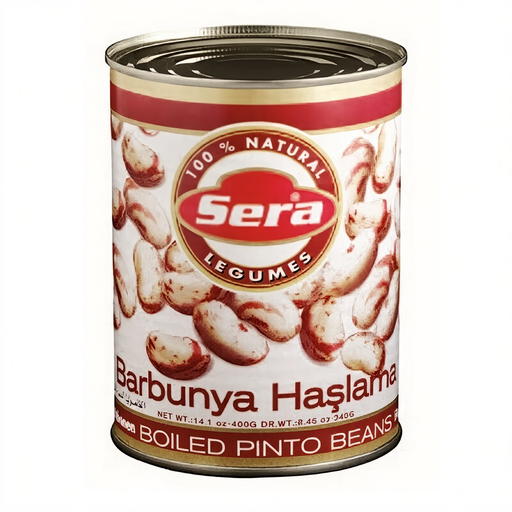
Why it stands out: These brown beans from Sera are ready-to-eat, making them an extremely convenient option for quick dishes. The ingredients list is short and clear: beans, water, a little oil, and salt.
Advantages:
Who it's for: Individuals and households looking for a quick and easy ingredient for their meals without compromising on nutritional value.
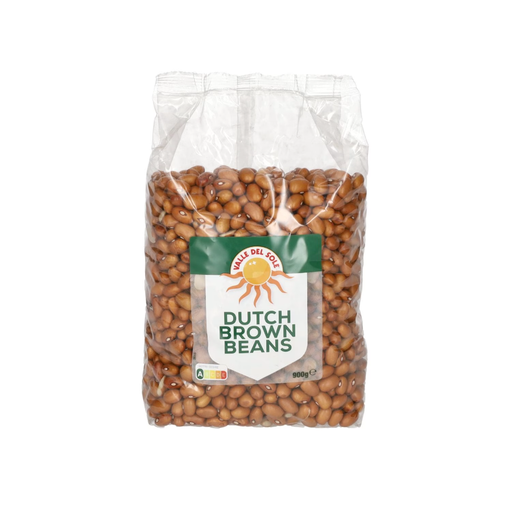
Why it stands out: This 900 g bulk pack of dried beans is an economical and long-lasting solution for any pantry. With a Nutri-Score of A, it is a nutritionally sound choice.
Advantages:
Who it's for: Home cooks, families, and anyone who cooks regularly and values economy and control over their ingredients. Ideal for preparing large batches of beans for chili or stews.
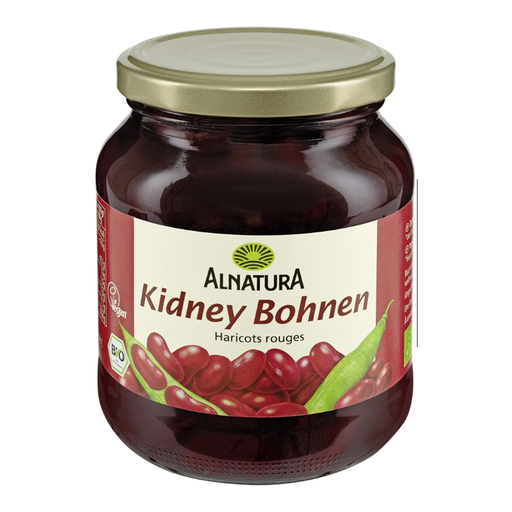
Why it stands out: These kidney beans from Alnatura come from certified organic farming and are packaged in a glass jar. Their creamy-soft consistency and slightly sweet flavour make them a high-quality ingredient.
Advantages:
Who it's for: Consumers who place a high value on organic farming, a clear ingredients list, and more eco-friendly packaging.
Kidney beans are just one of many nutritious legumes. If you want to expand your repertoire, other beans might also be of interest.
? Discover our selection of wax beans for more versatile options.
1. Do you have to wash canned kidney beans? It is generally recommended to rinse canned beans in a sieve under clear water before use. This removes excess salt and the starchy canning liquid (aquafaba), which can improve the taste of the dish and increase digestibility for some people.
2. Are kidney beans healthy? Yes, kidney beans are considered very nutritious. They are an excellent plant-based source of protein and fibre. They also contain important minerals like iron and potassium. As part of a balanced diet, they can contribute to a healthy lifestyle.
3. How long do dried kidney beans need to cook? The cooking time for dried kidney beans varies depending on the soaking time and the age of the beans. As a rule, they should be soaked overnight (at least 8 hours) in plenty of water. After soaking and draining the soaking water, the cooking time in fresh water is about 60 to 90 minutes, until they are soft. Important: Raw kidney beans contain phytohaemagglutinin (phasin), a lectin that is rendered harmless by cooking for a sufficiently long time. Therefore, they should never be eaten raw or undercooked.