
Lieferung heute & morgen

Qualitätsgarantie

Willkommens-Angebote freischalten: KOSTENLOSE Lieferung | Bis zu 80 % RABATT | Kostenlose 30-Tage-JoyPlus-Testphase
App herunterladen
Choosing the right toy car can be a challenge. The market is filled with models that look fascinating at first glance, but not every vehicle lives up to its packaging. Whether it's a gift idea for a child or an entry into a new hobby, an informed decision prevents disappointment and ensures long-lasting enjoyment. This guide will help you recognise common purchasing pitfalls and identify the key features that define quality and play value.
Many well-intentioned purchases end up as dust collectors on a shelf or break after a short time. Three typical problems are especially common:
To avoid a bad buy, you should focus on objective and verifiable criteria. Three aspects are of central importance here.
A high-quality toy vehicle is distinguished by its robustness. Pay attention to the following points:
A vehicle's functions should match the child's developmental stage.
The type of drive system significantly determines the play experience:
Instead of a one-size-fits-all recommendation, we present models tailored to specific needs and age groups.
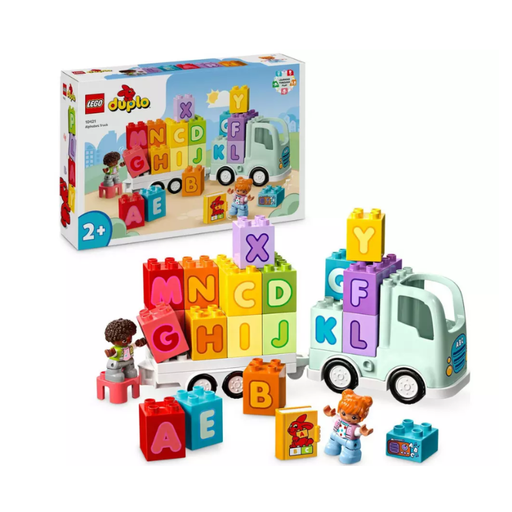
Why this model is a great fit: Ideal for toddlers from 2 years old who are playfully discovering the world of letters and colours. It promotes fine motor skills and early role-playing, making it a classic educational toy.
The robust DUPLO bricks are known for their durability and can withstand years of play. The focus is on creative building rather than fragile electronics.
Combines motor skill training with early language development through its ABC learning concept. An ideal toy for ages 3 and up (or 2+, according to the manufacturer).
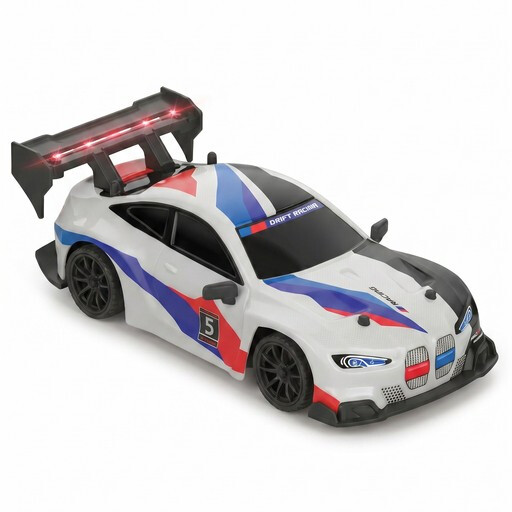
Why this model is a great fit: Perfect for older children and teenagers from 8 years old who want to enter the world of hobby-grade model vehicles and experience precise control.
It offers real added value and long-lasting fun with interchangeable tyres for drifting and racing. The proportional 2.4 GHz control is a quality feature for precise driving.
The all-wheel drive and two sets of tyres for drift and race action make this RC drift car a versatile model for indoor use.
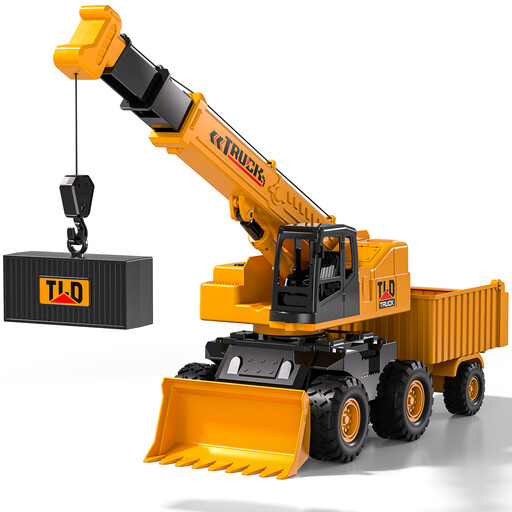
Why this model is a great fit: Suitable for children from 3 years old who are fascinated by construction vehicles and enjoy acting out complex scenarios. A great gift idea for kids of preschool age.
The 5-in-1 design offers high replay value and prevents interest from fading quickly. As a mechanical toy, it is less prone to defects than models with complex electronics.
The multifunctional set with a crane, dumper, and other attachments promotes problem-solving and creative play on the living room construction site.
We have compiled a comprehensive, up-to-date list of products that meet these selection criteria and relevant safety standards.
Look for the CE mark and, ideally, the GS mark. Check the material for robustness (e.g., ABS plastic, metal) and ensure there are no sharp edges. For toys intended for toddlers, battery compartments must always be securely screwed shut to prevent batteries from being swallowed.
This depends heavily on the model and the child's development. Simple models with two-button controls are suitable for children from around 3 to 4 years old. More sophisticated remote-controlled cars with proportional control, higher speeds, and sensitive technology are generally recommended for children aged 8 and older.
For electric ride-on cars for kids, battery care is crucial. The battery should be charged regularly, even when not in use for extended periods, to avoid deep discharge. Store the vehicle in a dry place and clean it only with a damp cloth—never with a pressure washer or running water—to protect the electronics.