
Lieferung heute & morgen

Qualitätsgarantie

Willkommens-Angebote freischalten: KOSTENLOSE Lieferung | Bis zu 80 % RABATT | Kostenlose 30-Tage-JoyPlus-Testphase
App herunterladen
Choosing the right electric toothbrush for your child can transform daily oral hygiene from a tedious chore into a motivating routine. However, the market is flooded with models whose colourful designs and marketing promises often hide more than they reveal. As a parent, you face the challenge of finding a device that is not only fun but also cleans safely and effectively. Many purchases later turn out to be a bad investment.
This guide will help you recognise the most common pitfalls and make an informed decision. We focus on the objective features that define a good children's toothbrush.
Before you invest, you should be aware of these common problems that often only become apparent after the purchase:
To avoid these pitfalls, you should base your choice on a few crucial technical parameters. These features determine the toothbrush's safety and effectiveness.
Two systems dominate the market. A sonic toothbrush for kids cleans with high-frequency vibrations, which are considered particularly gentle on the gums. Rotating toothbrushes, like many Oral-B kids' toothbrushes, use an oscillating-rotating brush head that surrounds each tooth individually. Both technologies can achieve excellent cleaning results when used correctly. The choice often depends on the child's personal preference and gum sensitivity.
Modern devices offer more than just an on/off button. These three features are especially valuable:
The brush head must fit the size of the child's mouth. It should be small enough to easily reach the back molars. Be sure to look for the "extra-soft bristles" label. The bristle tips should be rounded to avoid damaging tooth enamel and gums.
Here are some models that represent a considered choice for specific user profiles based on their technical features and overall concept.
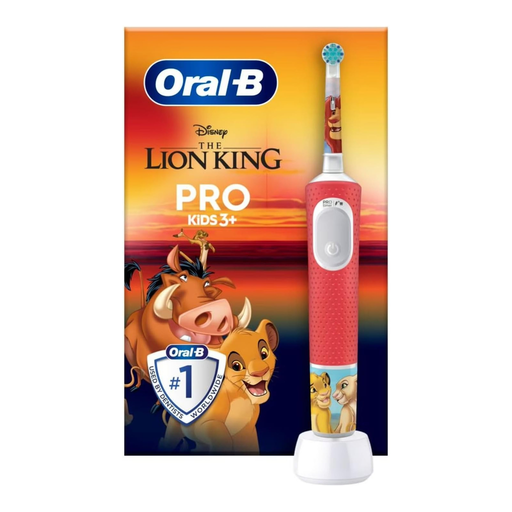
Why it's a good fit: Ideal for younger children who need motivation from familiar characters to brush their teeth. The included stickers allow for personalisation and create a positive connection to the toothbrush.
This model is more than just a toy. It offers two cleaning modes, including a sensitive mode for delicate milk teeth. Furthermore, Oral-B replacement heads are widely available and affordably priced.
Features a special Sensitive+ Mode and extra-soft bristles explicitly designed for the gentle cleaning of milk teeth from age 3 and up.
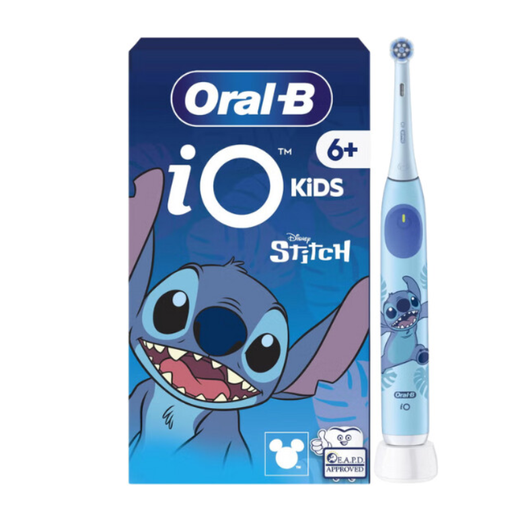
Why it's a good fit: For older children who brush more independently and are motivated by technology. Compatibility with the Disney Magic Timer app provides interactive feedback and rewards, which improves the brushing routine.
The iO technology with gentle micro-vibrations and the visual pressure sensor ensure effective and safe cleaning. The app is more than just a game; it actively guides correct brushing technique, thus avoiding the pure "toy" character.
Features a smart pressure sensor that reduces the speed if the user brushes too hard. Three different brushing modes allow for customisation to individual needs.
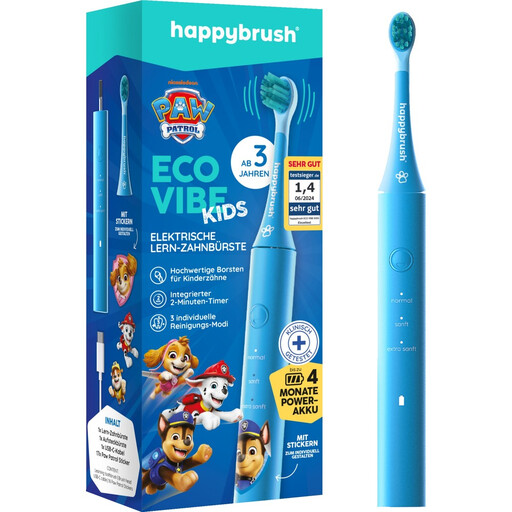
Why it's a good fit: Combines effective sonic technology with a focus on sustainability. The Paw Patrol design specifically appeals to younger children, while the choice of materials wins over parents.
Despite its playful design, this is a fully-featured sonic toothbrush. According to the manufacturer, the replacement heads are made from recycled material, which frames the follow-up costs from a sustainable perspective.
According to the manufacturer, the replacement heads are made from 100% recycled material (excluding bristles and internal components). The high-quality, rounded bristles are designed for gentle and thorough cleaning.
We've compiled a complete, up-to-date list of products that meet these strict selection criteria and safety requirements.
1. From what age is an electric toothbrush suitable for children? Most manufacturers offer models for children aged 3 and up. The crucial factor is that the toothbrush is designed for the specific age group, featuring a small brush head and very soft bristles. Until the child has fully mastered the motor skills, parents should supervise brushing and, if necessary, brush again afterwards.
2. How often should the replacement brush heads on a child's toothbrush be changed? Both dentists and manufacturers recommend changing the replacement brush heads every three months. A replacement is also necessary if the bristles are visibly worn or splayed, as cleaning performance will decrease and gums can become irritated.
3. Sonic or rotating toothbrush for my child – which is the better choice? There is no universally "better" technology. An electric toothbrush for kids with sonic technology is often perceived as gentler and can be a good choice for children with very sensitive gums. Rotating brushes with a small, round head can remove plaque very effectively from each individual tooth. Ultimately, correct and regular use is more important than the technology itself.