
Lieferung heute & morgen

Qualitätsgarantie

Willkommens-Angebote freischalten: KOSTENLOSE Lieferung | Bis zu 80 % RABATT | Kostenlose 30-Tage-JoyPlus-Testphase
App herunterladen
A good children's night light can ease the fear of the dark and make night-time trips to the bathroom or parents' bed safer. For parents, it serves as a practical nursing light or a guide for late-night nappy changes. However, the market is overwhelming, and many products don't live up to their promises. Before you make a decision, you should know the most common pitfalls that can lead to a bad purchase.
To avoid these problems, you should pay attention to a few core technical features. These parameters determine whether a night light is a genuine help or just another disturbance in the nursery.
Light quality is the deciding factor for a good soothing light. Pay attention to the following two aspects:
The type of power source determines how and where you can use the night light.
Based on these objective criteria, we have identified several models that are suitable for different user profiles.
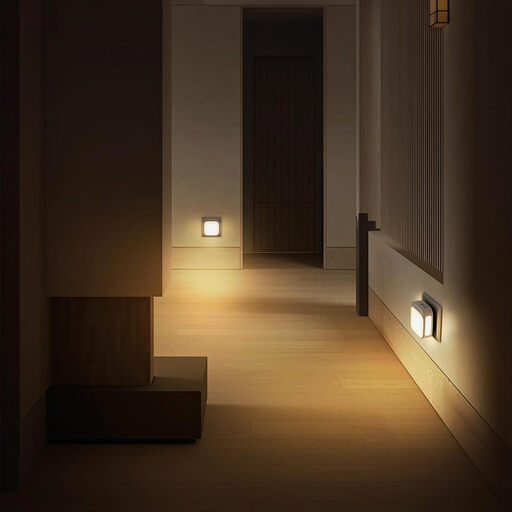
Why This Fits Their Persona: Ideal for parents looking for a reliable, maintenance-free solution for hallways and children's rooms. Just plug it in and forget it—the light sensor handles operation automatically.
The warm white light (2800-3000K) doesn't disrupt sleep. As a plug-in light, there are no batteries to change, and the sensor ensures it only turns on when needed.
Highly energy-efficient with only 0.3W consumption. The brightness is continuously dimmable to perfectly adapt the light to any environment.

Why This Fits Their Persona: Perfect for children who want a glowing, cuddly companion to take to bed. The soft material and simple operation make it a safe friend for the night.
According to the manufacturer, the material is BPA-free silicone, soft, and has no sharp edges. The battery operation eliminates cables near the bed, and the timer prevents unnecessary continuous light.
Features intuitive touch controls for dimming and a 30-minute timer that automatically turns the light off after the child has fallen asleep.

Why This Fits Their Persona: Designed for parents who need quick and easy light at night without waking the baby or their partner. The motion sensor activates the light exactly when it's needed.
The motion sensor prevents the light from being unnecessarily bright or staying on all night. The rechargeable, wireless design offers safety and flexibility.
Offers 3 colour temperatures (warm, neutral, cool) and 5 brightness levels. This allows the light to be used as a gentle nursing light or a brighter orientation light.
We have compiled a complete, real-time list of products that fully satisfy these strict selection criteria and UK safety regulations.
For the sleeping area, a warm white light colour of about 2700 to 3200 Kelvin is recommended. This reddish-yellow light interferes least with the body's production of the sleep hormone melatonin and promotes a calm atmosphere. Cool, bluish light should be avoided as it can have an activating effect.
Safety depends on the specific product. Look for the CE mark, which confirms compliance with EU safety standards. The material should be robust and free of harmful substances like BPA, especially if the child can touch the light. For battery-operated models, the battery compartment must be securely screwed shut. Corded lights should be placed out of the child's reach.
This depends on the child and the situation. For some children, a constant, very dim orientation light is helpful against the fear of the dark. For others, it is sufficient if the light only helps them fall asleep. In this case, a night light with a timer is a good choice. For night-time trips to the toilet or for nursing, a night light with a motion sensor is an energy-efficient and practical solution, as it only lights up when needed.