
Lieferung heute & morgen

Qualitätsgarantie

Willkommens-Angebote freischalten: KOSTENLOSE Lieferung | Bis zu 80 % RABATT | Kostenlose 30-Tage-JoyPlus-Testphase
App herunterladen
As a Joybuy Product Recommendation Officer, my mission is to provide you with clear, factual information. When it comes to choosing vitamins for children, the market can often be overwhelming. Many parents want to thoughtfully supplement their children's diet but find themselves facing a shelf full of products with colourful packaging and tempting promises. This guide will help you understand the essential criteria and avoid common purchasing mistakes.
Before deciding on a product, it's helpful to know the most common marketing traps that often lead to an unsuitable choice.
To make an informed decision, you should focus on objective and verifiable features rather than advertising claims.
The form of the supplement is crucial for acceptance by the child and the accuracy of the dosage.
A transparent and short ingredients list is often a good sign. Pay attention to the following points:
The most important information on the packaging is the recommended daily dose for the respective age group. Exceeding the recommended amount should be strictly avoided, especially with fat-soluble vitamins (A, D, E, K) and trace elements like iron. Adhere strictly to the manufacturer's instructions or your paediatrician's recommendation.
Here are some product recommendations tailored to the different needs of parents and children.
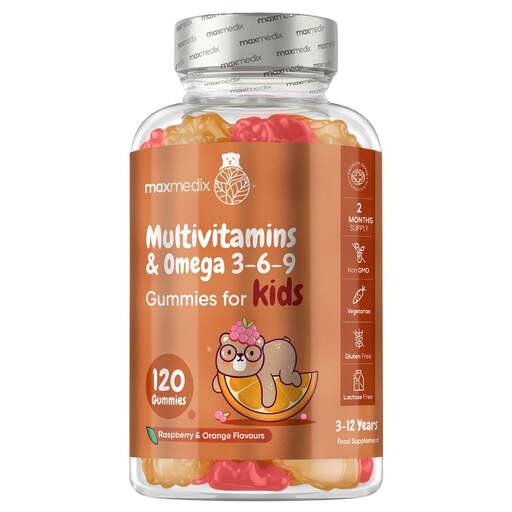
Why it's a great fit: For parents looking for a simple and tasty all-in-one solution that children readily accept. The gummy format makes the daily routine easy and argument-free.
The product is clearly positioned as a dietary supplement with a balanced formula. The dosage is clearly defined for children aged 3 and up, ensuring age-appropriate use and avoiding the pitfall of incorrect dosing.
Contains a blend of essential vitamins (A, C, D, E, B-vitamins). The formula is vegetarian and free from gluten, lactose, and soy, making it suitable for many children.
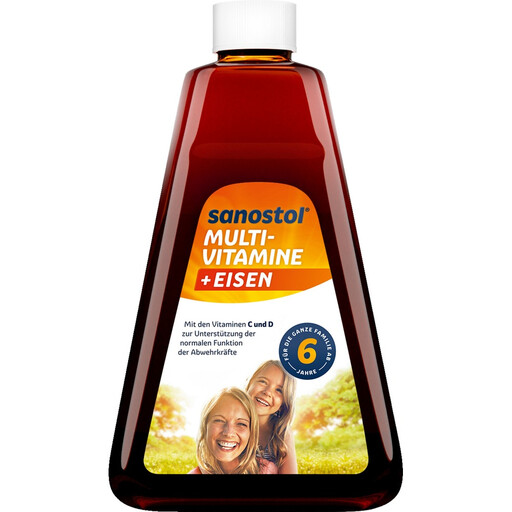
Why it's a great fit: Ideal for parents of school-aged children (6+) who want to specifically support their iron intake. The liquid form is a good alternative for children who dislike or cannot have gummies.
The clear age recommendation "from 6 years" prevents inappropriate dosing for younger children. The focus is on functional supplementation with iron, which goes beyond a simple multivitamin and addresses a specific need.
Combines essential vitamins with the trace element iron, which contributes to normal oxygen transport in the body. The liquid form allows for easy administration.
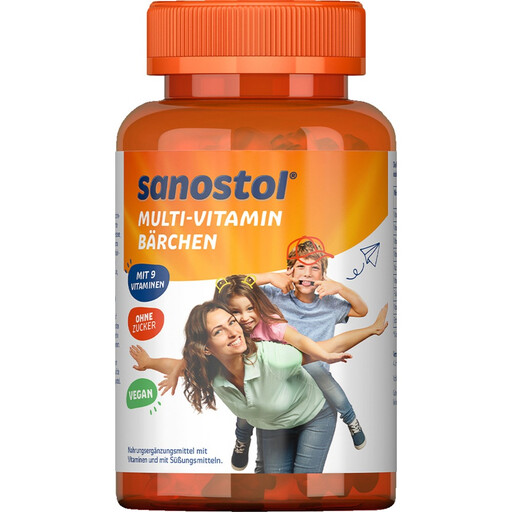
Why it's a great fit: An excellent choice for parents actively seeking sugar-free vitamins. The vegan and gelatin-free formula also appeals to families who wish to avoid animal-derived ingredients.
This product directly bypasses the sugar trap by being declared "sugar-free" and using sweeteners instead. It offers the enjoyment of a gummy-like treat without the drawbacks of high sugar content.
Sugar-free, vegan, and gelatin-free. Contains 9 essential vitamins, including Vitamin C and D to support the normal function of the immune system. Suitable for children aged 4 and up.
We've compiled a complete, up-to-date list of products that fully meet these strict selection criteria and German safety regulations.
In principle, a balanced and varied diet should cover the nutritional needs of a healthy child. Dietary supplements can be considered in certain situations, such as for very picky eaters, during periods of increased need, or after consulting with a paediatrician. Most products are designed for children aged 3 or 4 and up; the manufacturer's specific age recommendation is crucial.
High-quality supplements are characterised by a transparent ingredients list without unnecessary fillers. The dosage recommendations are clearly staggered by age. Look for information about the manufacturer and ensure the product is approved for sale in your country. A low or non-existent sugar content is also a positive feature.
In many northern hemisphere countries, sun exposure from around October to March is often not strong enough to ensure adequate endogenous production of Vitamin D. Since Vitamin D is important for the normal function of the immune system and the maintenance of normal bones, many paediatricians recommend supplementation with Vitamin D3 for children during the darker months. Consulting with a doctor is advisable to determine the correct dosage.