
Lieferung heute & morgen

Qualitätsgarantie

Willkommens-Angebote freischalten: KOSTENLOSE Lieferung | Bis zu 80 % RABATT | Kostenlose 30-Tage-JoyPlus-Testphase
App herunterladen
A good knife set is the cornerstone of any kitchen. However, the selection is vast, and marketing claims often outweigh the actual performance of the knives. Many home cooks, and even ambitious culinary professionals, invest in sets that quickly become dull or start to rust. As your Joybuy Product Recommendation Officer, I'm here to help you identify the common pitfalls and make an informed decision.
Before we dive into the key features, let's uncover the most expensive misconceptions that lurk when choosing a knife set.
The term "stainless steel" is not a protected seal of quality. Budget-friendly knife sets often use soft steel alloys that, while promising sharp knives initially, lose their edge extremely quickly and are prone to surface rust and corrosion. A high-quality knife is defined by its specific steel composition, hardness, and construction—not by a generic marketing promise.
A 20-piece knife set with block for under €50 seems tempting. In practice, however, these sets usually contain a multitude of specialty knives that are rarely used and are of inferior quality. A solid starter set, consisting of a good chef's knife, a utility knife, and a paring knife, is sufficient for 95% of all kitchen tasks and is a far wiser investment.
To avoid a bad purchase, you should focus your attention on two central aspects that determine the longevity and functionality of your knife set.
The blade's manufacturing method is a primary indicator of quality. There are two fundamental processes:
Pay attention to the steel grade specification (e.g., X50CrMoV15, a common German knife steel) and the hardness level, indicated in HRC (Rockwell Hardness). Values between 55 and 58 HRC are a good benchmark for durable, everyday knives.
A functional kitchen knife set doesn't need to be huge. Focus on the three pillars of kitchen work:
A knife block for safe, blade-friendly storage is also a sensible addition. Specialty knives like a Santoku knife or a bread knife can be added later, depending on your cooking habits.
Based on these objective criteria, we have curated a selection of products for different user profiles.
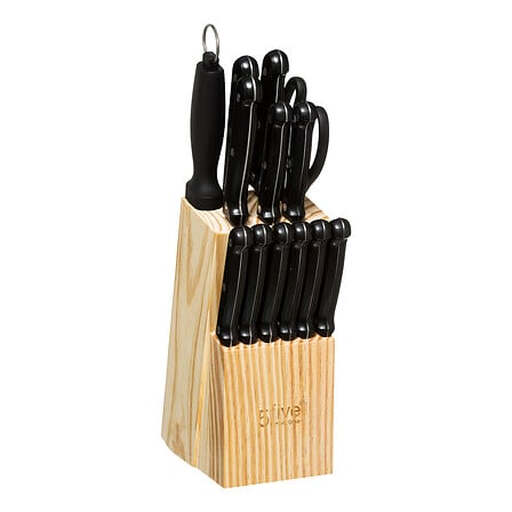
Why This Fits Their Persona: Offers a comprehensive starter kit for all daily kitchen tasks without breaking the budget. Ideal for a first apartment or for novice cooks who want to get their bearings.
This set avoids the 'useless filler knife' trap by including practical steak knives, shears, and a honing steel alongside the basic knives—tools that are genuinely useful in everyday cooking.
A complete starter package with a knife block for safe storage. All essential tools are immediately at hand, keeping the kitchen organised.

Why This Fits Their Persona: For chefs seeking a long-term investment who value precision, durability, and a reputable brand. This Zwilling knife set is designed for ambitious and regular cooking.
There's no skimping on quality here. According to the manufacturer, each knife is forged from a single piece of special formula steel (SIGMAFORGE) and ice-hardened (FRIODUR), ensuring excellent edge retention and corrosion resistance.
The set includes the most important knife types in professional quality, including a honing steel for maintenance. The seamless transition from blade to handle is particularly hygienic and robust.
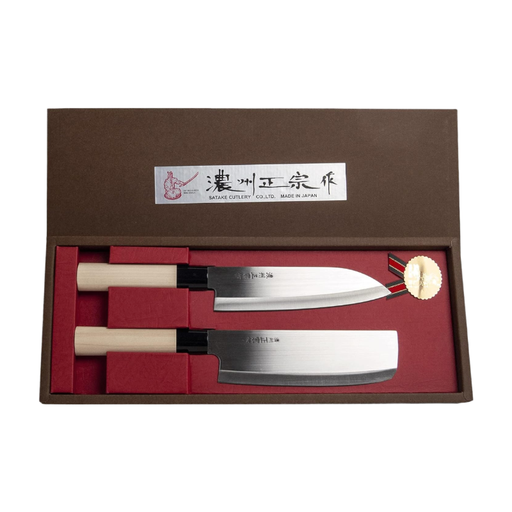
Why This Fits Their Persona: Perfect for users who appreciate the specific advantages of Japanese knife shapes. The Santoku knife and the Nakiri are ideal for the precise, fine cuts of vegetables, fish, and meat common in Japanese cuisine.
Instead of a generic set, this duo offers two highly specialised tools. It focuses on the strengths of Japanese knives—thin blades and specific shapes for maximum precision—rather than a large but non-specific selection.
Includes two authentic Japanese knife shapes (Santoku and Nakiri) for specialised cutting techniques. The knives are lightweight and balanced for fatigue-free work.
We have compiled a complete, real-time list of products that fully satisfy these strict selection criteria and UK safety regulations.
The frequency depends heavily on usage and the quality of the steel. As a rule of thumb for home use, resharpening with a whetstone or knife sharpener every few months is advisable. Regular honing with a honing steel before or after each use helps maintain the blade's fine edge and preserve its base sharpness for longer.
The main difference lies in the manufacturing process. Forged knives are heated and hammered into shape from a single steel blank, resulting in a denser molecular structure and greater stability. They typically feature a bolster (the thick junction at the base of the handle) which provides balance. Stamped knives are cut from a sheet of steel, are lighter, and usually lack a bolster. Forged knives are generally considered more durable and better balanced.
It is strongly advised against it. The harsh detergents, high temperatures, and contact with other dishes can damage the blade's fine edge, attack the steel, and cause the handle material (especially wood) to swell or fade. Always clean high-quality knives by hand with lukewarm water and dry them immediately to maximise their lifespan.