
Lieferung heute & morgen

Qualitätsgarantie

Willkommens-Angebote freischalten: KOSTENLOSE Lieferung | Bis zu 80 % RABATT | Kostenlose 30-Tage-JoyPlus-Testphase
App herunterladen
A good knife set is the foundation of any kitchen. But the market is full of tempting offers that later turn out to be impractical or low-quality. As a Joybuy Product Recommendation Officer, I see every day which products deliver on their promises and which do not. This guide will help you avoid the common pitfalls and make a choice that is built for functionality and durability.
Before we dive into the important features, we should be aware of the marketing tricks that often lead to disappointment.
To avoid a bad purchase, focus on these three verifiable criteria.
The steel determines how sharp a knife can get, how long it stays sharp, and how easy it is to maintain.
Instead of a set with many specialty knives you'll never use, a basic setup with the following three types is often more sensible:
A good pair of kitchen shears and a reliable knife sharpener are also indispensable additions.
The handle is the connection between you and the blade. It must fit securely in your hand and be comfortable even during prolonged use.
Here are some product recommendations tailored to different needs and budgets.
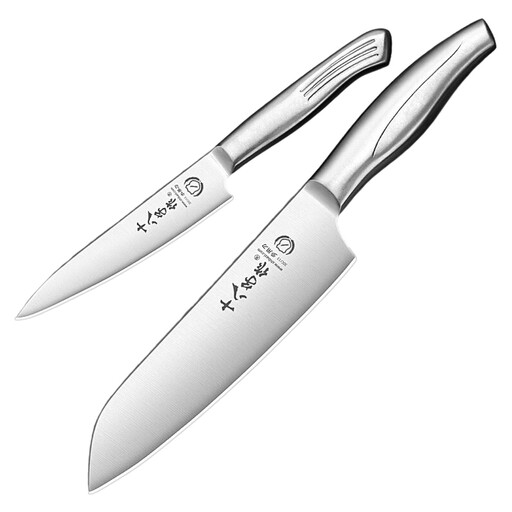
Why This Fits Their Persona: This set provides a solid starter kit for cooking novices or for a first apartment. With a chef's knife and a paring knife, it covers the most important daily tasks without breaking the bank.
It bypasses the overstuffed knife block trap by focusing on the two most useful knives. No unnecessary filler, just pure functionality.
A practical combination for getting started. The stainless steel blades are low-maintenance and robust for daily use.
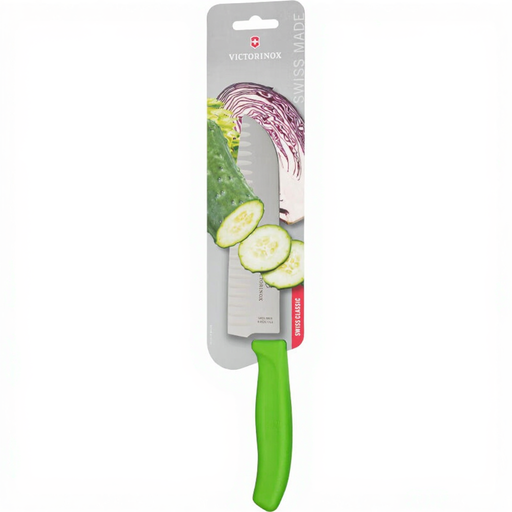
Why This Fits Their Persona: Those who cook frequently and with passion need a reliable, versatile tool. This Santoku knife from Victorinox is a workhorse: sharp, durable, and suitable for almost all cutting tasks, from vegetables to meat.
Instead of focusing on looks, this knife prioritizes proven performance. The Victorinox brand is known for its high-quality stainless steel and precision craftsmanship—a safe investment in quality.
The Granton edge creates air pockets that reduce sticking when slicing thin items (e.g., cucumber, salmon). The handle is ergonomic and, according to the manufacturer, dishwasher-safe.
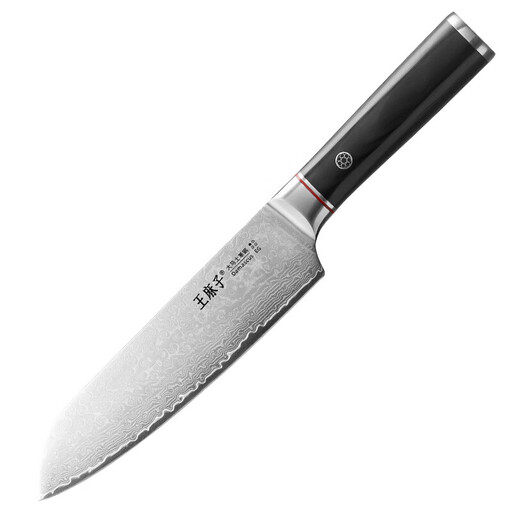
Why This Fits Their Persona: For cooks who appreciate not just a tool, but a piece of craftsmanship. This knife combines the high cutting performance and edge retention of Damascus steel with a stunning appearance.
This is not a "Damascus-look" knife; it features a blade made of genuine Damascus steel. It delivers the expected performance associated with this material, thus avoiding pure marketing hype.
The multi-layered steel construction allows for an extremely sharp cutting edge. The characteristic pattern makes each knife a unique piece.
Even the highest-quality knife will become dull over time. A good knife sharpener is therefore not an option, but a necessity. Models like the BJ 4-Stage Kitchen Knife Sharpener offer different slots for coarse and fine sharpening to quickly and safely restore blades to their optimal condition. Regular sharpening significantly extends the life of your knives and ensures consistently good cutting results.
We have compiled a complete, up-to-date list of products that fully meet these strict selection criteria and German safety regulations.
1. How often do I need to sharpen my kitchen knife? The frequency depends on usage and steel quality. As a rule of thumb: as soon as you notice the knife no longer glides effortlessly through a tomato, it's time for a fine honing with a knife sharpener or honing steel. A full sharpening is needed less often, usually only once or twice a year with regular use.
2. Is an expensive Damascus knife really better? A genuine Damascus knife typically offers superior sharpness and edge retention compared to a standard stainless steel knife. However, for most home cooks, a high-quality kitchen knife made from a modern alloy, like those used by Victorinox knives, is more than sufficient and often easier to maintain. The choice depends on your personal priorities: maximum performance and aesthetics or pragmatic, everyday functionality.
3. Wooden handle or plastic – which is the better choice? Both materials have their merits. A wooden handle feels more pleasant and natural to many users and offers an excellent grip. However, it requires hand washing and occasional oiling. Plastic handles are extremely durable, hygienic, often dishwasher-safe, and require virtually no maintenance. The choice is ultimately a matter of personal taste and desired level of upkeep.