
Lieferung heute & morgen

Qualitätsgarantie

Willkommens-Angebote freischalten: KOSTENLOSE Lieferung | Bis zu 80 % RABATT | Kostenlose 30-Tage-JoyPlus-Testphase
App herunterladen
A good knife set is the foundation for efficiency and safety, whether in the kitchen or for DIY projects. But the market is flooded with offers that overpromise and underdeliver. Many buyers quickly find that their new knives become dull, are unwieldy, or are simply unsuitable for their intended purpose. This guide will help you identify the crucial features to make an informed choice.
Before we dive into key quality features, let's look at two common marketing traps that often lead to disappointing purchases:
To avoid a bad purchase, focus on three verifiable characteristics: the blade material, the blade shape, and the handle's ergonomics.
The choice of material is a key determinant of sharpness, durability, and maintenance requirements.
Each blade shape is optimised for specific tasks. A good set covers the most important applications.
Instead of a one-size-fits-all recommendation, we've selected products that cater to specific user profiles and their needs.
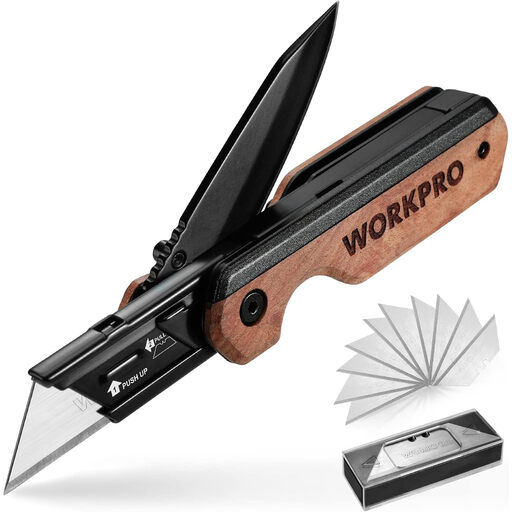
Why it's a great fit: This tool combines a fixed pocket knife with a professional utility knife. It is ideal for anyone who needs a robust and versatile cutting tool for the workshop, garden, or opening packages.
It's a specialised tool, not an unsuitable kitchen knife. The quick-change blade mechanism and durable SK5 trapezoidal blades are designed for DIY tasks, avoiding the risk of damaging a chef's knife.
The 2-in-1 functionality offers great flexibility. The liner lock mechanism ensures the blade is securely locked during use.
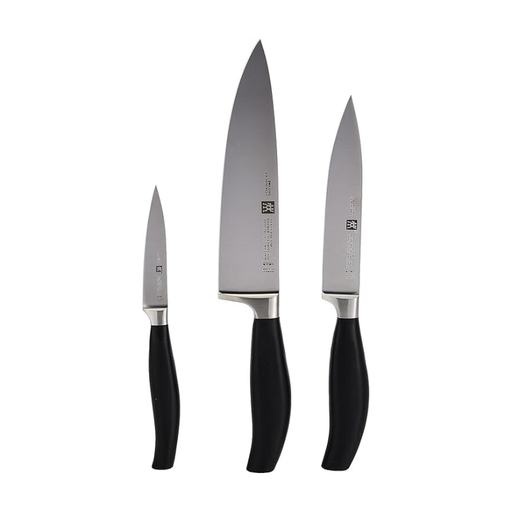
Why it's a great fit: This set focuses on the essential tools for the discerning home cook. It comes from an established Solingen-based manufacturer and represents durable quality and thoughtful design for fatigue-free work.
It bypasses the trap of overstuffed sets by limiting itself to three highly functional knives. The quality is objectively verifiable through the FRIODUR ice-hardened blade and the single-piece forged construction.
The blades, forged from a single piece of steel, offer excellent balance and stability. The seamless transition from handle to blade is both hygienic and comfortable.
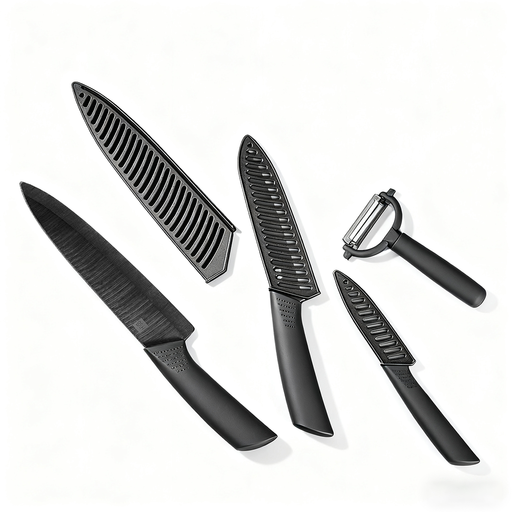
Why it's a great fit: This set offers an alternative material technology. The ceramic knives are extremely lightweight and stay sharp for a very long time without needing to be resharpened. It covers all basic needs with a chef's knife, utility knife, fruit knife, and peeler.
It solves the problem of cheap steel knives that quickly become dull. The value here lies in long-lasting sharpness and low maintenance, not a superficial 'professional' look.
The zirconium oxide ceramic blades are rust-proof, do not absorb odours, and are significantly lighter than steel blades, which reduces hand fatigue during prolonged tasks.
If you're looking for a specific knife for a particular task, you can find a wider selection of vetted products in our full category.
1. How do you properly care for sharp knives to make them last? Proper care is crucial. Always clean high-quality kitchen knives by hand with warm water and mild detergent, not in the dishwasher. The aggressive salts and high temperatures can damage the blade and handle. Dry the knife immediately. For storage, a knife block, a magnetic strip, or a blade guard is suitable to protect the edge and prevent accidents.
2. What does "forged" mean for a knife, and is it important? A forged knife is shaped from a single piece of steel under heat and pressure. This process compacts the metal's structure, resulting in a more robust, durable, and often better-balanced knife. Stamped knives are cut from a sheet of steel, which is a more cost-effective process. For ambitious cooks, a forged chef's knife is often the better choice due to its stability and balance.
3. Can I use a utility knife in the kitchen? This is strongly discouraged. Utility knives or carpet knives are designed for materials like cardboard or plastic. The blades are often made from different steel alloys that are not approved for food contact. Furthermore, the design is not intended for safe handling during food preparation, which increases the risk of injury. Use the right tool for the right job.