
Lieferung heute & morgen

Qualitätsgarantie

Willkommens-Angebote freischalten: KOSTENLOSE Lieferung | Bis zu 80 % RABATT | Kostenlose 30-Tage-JoyPlus-Testphase
App herunterladen
Finding a snack that is both delicious and figure-friendly can be a challenge. Many people reach for fruit, but sometimes you crave a different texture and a unique taste experience. This is where Konjac Jelly comes in—a long-time favourite snack in Asia that is also gaining popularity in the West. This jelly, also known as Konnyaku, is made from the root of the konjac plant and is distinguished by its unique consistency and low calorie count.
This article serves as your guide. We will introduce you to various types of konjac jelly and provide objective criteria to help you find the perfect product for your needs, whether you want to buy Konjac Jelly to try a new treat or are looking for a convenient, low-calorie snack on the go.
To make the right choice, it's helpful to understand a few basic characteristics of konjac jelly. The market offers a wide variety, but the following points will help you narrow down your options effectively.
A primary reason for konjac jelly's popularity is its often low calorie count. However, these values can vary significantly depending on the formula.
A quick look at the nutrition label on the packaging will reveal which option best suits your personal goals.
Konjac jelly is available in different formats suitable for various occasions.
The consistency itself ranges from very soft and smooth to firm and chewy, which is a characteristic feature of Konnyaku.
As a classic Asian jelly, there are subtle differences in recipes and flavour profiles depending on the country of origin—such as Japan, South Korea, or China. Japanese sweets are often known for their subtle and authentic fruit flavours. The variety of flavours is vast, ranging from classic options like peach, lychee, and mango to more exotic choices like grape or apple.
Based on objective product characteristics such as ingredients, nutritional values, and packaging, we have curated a selection of different konjac jellies.
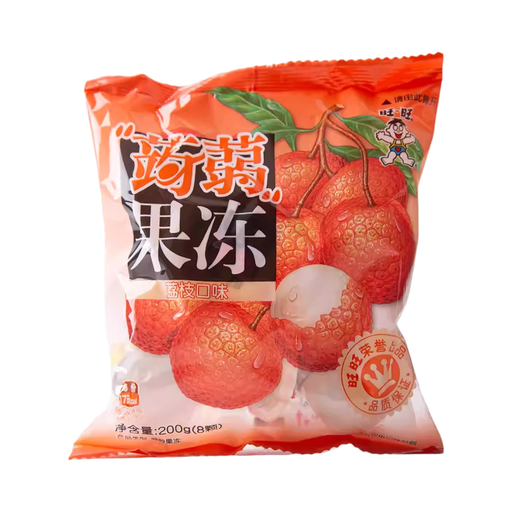
What makes this product stand out This konjac jelly from WANT WANT offers a sweet and refreshing lychee flavour. The 200g pack is larger than many alternatives, making it great for sharing or as a more substantial snack. The taste is enhanced by the use of concentrated lychee juice.
Product Details
Who is it for? This product is a great choice for those who love the classic taste of lychee and are looking for a larger portion of jelly for an afternoon break or as a dessert.
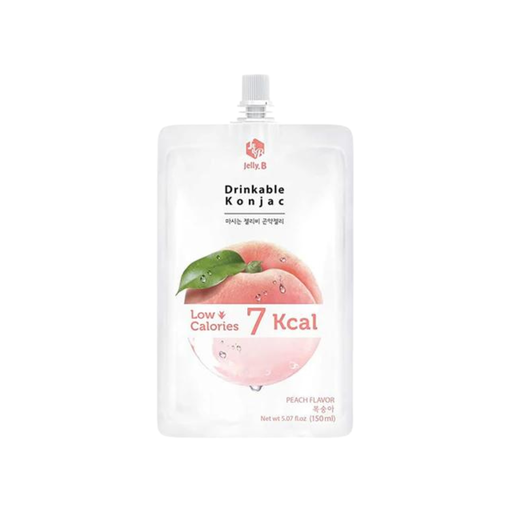
What makes this product stand out The Jelly.B Konjac Jelly is designed as a drinkable jelly and stands out for its extremely low calorie count of just 7 calories per 150ml pouch. It is sugar-free, sweetened with erythritol instead. The resealable squeeze pouch makes it an exceptionally convenient companion for on the go.
Product Details
Who is it for? Ideal for fitness enthusiasts, individuals on a calorie-reduced diet, and anyone who needs an easy, guilt-free snack on the go.
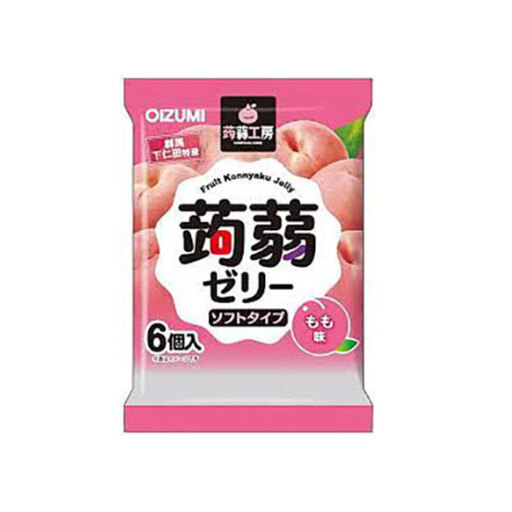
What makes this product stand out This Japanese-made konjac jelly offers an authentic taste experience typical of Japanese sweets. It is made with real peach juice and has a firm, satisfying konjac texture. At 106 kcal per 100 g, it's a light yet flavourful snack.
Product Details
Who is it for? For lovers of Japanese cuisine who appreciate a traditional konnyaku texture and want to enjoy the authentic taste of peach in a jelly with distinct pieces.
If you didn't find the right product among these recommendations, or if you'd like to explore other flavours like grape, apple, or mango, you can find a wider selection in our assortment.
Discover more options in our Fruit Jelly category.
Konjac jelly, also known as konnyaku, is a food product made from the flour of the konjac root, a plant native to East Asia. The flour is rich in a dietary fibre called glucomannan, which forms a gel-like substance when mixed with water. This substance is then processed into jelly and often enhanced with fruit juices or flavourings.
Due to its typically very low calorie and fat content, konjac jelly can be a suitable addition to a calorie-conscious diet. In particular, the varieties labelled as sugar-free jelly offer a sweet alternative without significant calories. However, it is not a diet product in the strictest sense and should be considered part of a balanced diet.
Konjac jelly has a firm and chewy texture that can pose a potential choking hazard if not chewed properly. It is important to chew each bite thoroughly and not to swallow the jelly whole. For this reason, it is often not recommended for young children. Always pay attention to the warning labels on the product packaging.