
Lieferung heute & morgen

Qualitätsgarantie

Willkommens-Angebote freischalten: KOSTENLOSE Lieferung | Bis zu 80 % RABATT | Kostenlose 30-Tage-JoyPlus-Testphase
App herunterladen
If you're looking for a light, fruity snack, you've likely come across konjac jelly. This Asian jelly, often sold as a convenient jelly drink or a low-calorie snack, is rapidly gaining popularity. But with a growing selection, it's not always easy to find a product that meets your expectations. Before you buy konjac jelly, it's helpful to know the common pitfalls and what to look for when making your choice.
As your Joybuy Product Recommendation Officer, I'm here to help you see through the marketing claims and make an informed decision.
The packaging is often colourful and the promises are tempting. But not every product delivers on its claims. Here are two points that often lead to disappointment:
To ensure you find the right product for your needs, you should check three essential features.
The heart of any konjac jelly is the gelling agent.
The taste and calorie content depend heavily on the sweetener used.
The packaging determines how and where you can best enjoy your jelly.
Here are some recommendations from our range, tailored to different preferences and use cases.
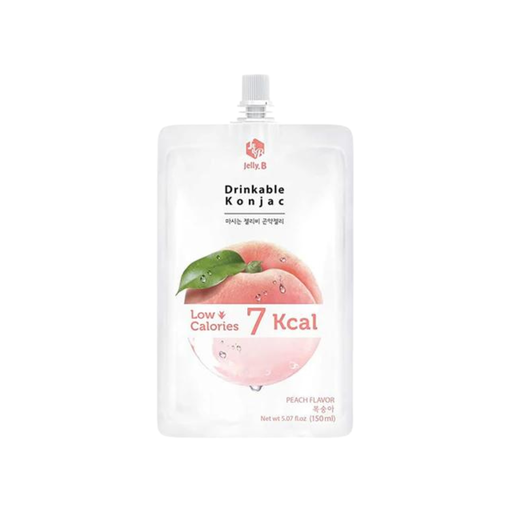
Why This Fits Their Persona: Ideal for anyone who doesn't want to give up a sweet treat during a diet or just for a snack. The convenient pouch fits in any bag and is perfect for curbing hunger at the office or after a workout.
This product avoids the sugar trap as it is sweetened with erythritol and contains 0g of sugar, according to the manufacturer. The calorie count is transparent and extremely low at just 5 kcal per 100 ml.
Extremely low-calorie and sugar-free. The resealable pouch offers maximum convenience as an on-the-go snack.
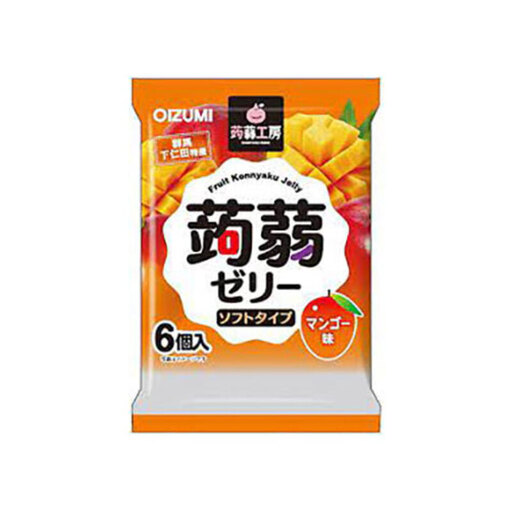
Why This Fits Their Persona: For those who appreciate the classic, firm bite of an authentic Japanese jelly. This product is less of a drink and more of a solid snack that offers a satisfying chewing experience.
This jelly avoids the texture trap by being clearly positioned as a konjac jelly from Japan. The ingredient list confirms the use of konjac, ensuring the expected firm consistency.
Made in Japan with a focus on the typical konjac texture. According to the manufacturer, the flavour comes from real mango juice.
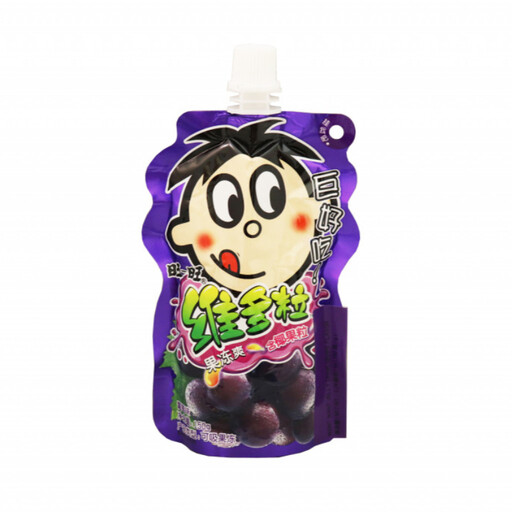
Why This Fits Their Persona: Perfect for anyone looking for a drinkable jelly with an added textural element. The combination of soft jelly and chewy nata de coco pieces makes every sip a varied experience.
This product is clearly positioned as a "Jelly Drink," not a firm jelly. The description highlights the nata de coco pieces, so the customer knows exactly what texture to expect.
The combination of drinkable jelly and firm fruit pulp pieces (nata de coco) offers a complex mouthfeel. The pouch design is ideal for on the go.
We've compiled a complete, up-to-date list of products that fully meet these strict selection criteria and all applicable regulations.
1. Does konjac jelly need to be refrigerated? Before opening, refrigeration is generally not required; the products are shelf-stable at room temperature. Storing them in a cool, dry place away from direct sunlight is recommended. However, most jellies taste significantly more refreshing when chilled. After opening, a product, especially from a resealable pouch, should be stored in the refrigerator and consumed promptly.
2. Is konjac jelly suitable for a vegan diet? In most cases, yes. The main ingredient, konjac flour, is purely plant-based. Therefore, a large portion of the products available, especially Korean fruit jelly, are designed as vegan jelly. However, it is always advisable to check the ingredients list. A few products may contain gelatin (animal-based) or dairy components (e.g., in creamers for milky jelly drinks).
3. What is the difference between konjac jelly and a standard gelatin dessert? The main difference lies in the gelling agent and the resulting texture. Standard gelatin desserts (like Jell-O) are usually made with gelatin and have a soft, wobbly consistency. Asian jelly made from konjac has a much firmer, more elastic, and chewier texture, which provides a more intense mouthfeel and is often perceived as more satisfying.