
Lieferung heute & morgen

Qualitätsgarantie

Willkommens-Angebote freischalten: KOSTENLOSE Lieferung | Bis zu 80 % RABATT | Kostenlose 30-Tage-JoyPlus-Testphase
App herunterladen
A lantern is more than just a light source. It creates atmosphere, provides safety in the dark, or serves as a robust tool. But the selection is vast, and not every product lives up to its advertising promises. As your Joybuy Product Recommendation Officer, I'll help you separate the quality from the clutter and make an informed decision.
Many buyers get frustrated with models that show defects after a short time. Three pitfalls, in particular, often lead to disappointment and unnecessary expense:
rechargeable lantern whose advertised 100-hour runtime is only achievable at a barely perceptible brightness, while it runs out of power after just a few hours at a useful level of illumination.paper lantern or a vintage-style model, that are made from low-quality materials, tip over easily, or have delicate parts that tear quickly.To avoid these issues, it's crucial to pay attention to a few technical specifications before buying, rather than being swayed by marketing promises.
The choice of the right lantern depends on its intended use. However, the following three parameters are universally critical for quality and longevity.
The brightness of an LED lantern is measured in lumens (lm). A high lumen count isn't always better.
camping lantern or a work light, a high brightness of 300 lumens or more is useful for clearly illuminating an area.table lantern or a lampion in a living area, lower lumen values are sufficient and create a cosy atmosphere.dimmable lantern offers the greatest flexibility, as you can adjust the brightness to suit the situation. This also helps conserve battery life.The mobility of your lantern is determined by its power source. Each option has specific pros and cons.
cordless lanterns are more cost-effective and environmentally friendly in the long run. Pay attention to the battery capacity (specified in mAh)—the higher the value, the longer the potential runtime.The material determines not only the look but also the robustness. For outdoor use, the IP rating is an essential quality indicator.
paper lantern is designed for indoor use, an outdoor lantern and camping lantern require durable materials like aluminium, impact-resistant plastic, or tempered glass.Based on these objective criteria, we have identified some models that represent a fitting solution for specific user profiles.
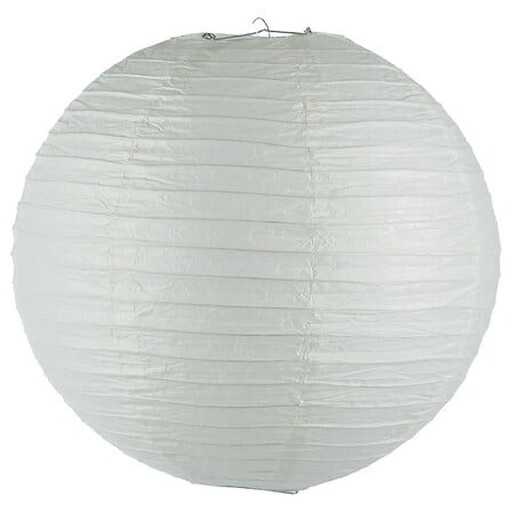
Why This Fits Their Persona: Ideal for those seeking a minimalist and elegant lighting solution to create a warm, diffuse atmosphere in living rooms or bedrooms. This lampion is a purely decorative object.
This paper lantern is clearly positioned as an indoor decoration, avoiding any false impression of weather resistance. Its paper and steel frame construction is appropriate for this purpose.
Creates a very soft, glare-free light. The lightweight material and simple assembly allow for flexible and straightforward decorating.
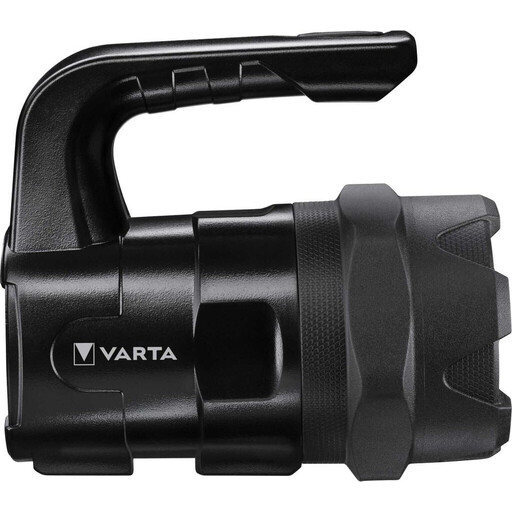
Why This Fits Their Persona: Designed for use in harsh conditions. Perfect for campers, tradespeople, or as an emergency light that demands absolute reliability.
This model avoids the pitfall of false weather resistance with a verifiable IP67 certification (dust-tight and protection against temporary submersion) and an impact resistance (IK08) from a 4-meter drop.
Extremely robust aluminium housing and a shatterproof lens. Delivers a high brightness of 400 lumens and a long runtime of up to 85 hours.

Why This Fits Their Persona: Combines the nostalgia of a classic oil lamp with the convenience of modern technology. A stylish, cordless, rechargeable table lantern for indoors or for dry evenings on the balcony.
It escapes the trap of unrealistic battery life thanks to a large 4000mAh battery, which allows for a runtime of up to 160 hours at the lowest brightness. The solid glass construction avoids the impression of cheap materials.
Cordless, rechargeable, and 10-step dimmable via a rotary knob. Offers interactive features like blowing out the light or a candle flicker effect.
We have compiled a complete, up-to-date list of products that fully meet these strict selection criteria and all relevant safety standards.
The IP (Ingress Protection) rating indicates how well a lamp's housing is protected against the ingress of foreign objects and water. The first digit (0-6) represents protection against solids (e.g., dust), and the second (0-9) represents protection against water. For outdoor use, IP44 (protection against splashing water) is a minimum. IP67, as seen on the VARTA lantern, means it is dust-tight and can even withstand temporary submersion.
The actual battery life depends heavily on the brightness setting. Manufacturer specifications often refer to the lowest dimming level. A lantern with a large battery (measured in milliampere-hours, mAh) and a dimming function offers the most flexibility. At full brightness, the runtime can be significantly shorter than the advertised maximum.
No, and this is a critical safety note. In a paper lantern or lampion, you must only use bulbs that generate low heat, such as LED lamps. Traditional incandescent or halogen bulbs produce too much heat and pose a significant fire hazard, as they can ignite the paper.