
Lieferung heute & morgen

Qualitätsgarantie

Willkommens-Angebote freischalten: KOSTENLOSE Lieferung | Bis zu 80 % RABATT | Kostenlose 30-Tage-JoyPlus-Testphase
App herunterladen
A good laptop backpack is more than just a way to carry your things. It protects valuable technology, organises daily essentials, and flexibly adapts to different situations—from the office and the lecture hall to the airport security line. However, choosing the right model can be a challenge given the countless options available.
This article serves as your guide. We will introduce a selection of functional backpacks designed for various needs. Our goal is to provide you with a factual basis for your decision, focusing on materials, size, and practical features.
Before you decide on a model, several fundamental criteria should be considered. These will help you narrow down the selection to products that truly meet your needs.
The most important function is protecting your laptop. Therefore, carefully check the specifications of the laptop compartment. A 14-inch laptop bag is not automatically suitable for every 14-inch device, as the external dimensions of laptops vary. Measure your device and compare it with the internal dimensions of the compartment.
For travellers, the overall size of the backpack is crucial. Many airlines have strict regulations for carry-on luggage. A model designated as a carry-on backpack should comply with common dimensions (e.g., 55 x 40 x 20 cm). Low-cost airlines often have even stricter rules for the personal item stored under the seat (e.g., 40 x 20 x 25 cm).
The outer material determines the backpack's durability and protection against the elements. High-density polyester or nylon fabrics (e.g., 900D) are particularly tear- and abrasion-resistant.
A waterproof daypack is rarely fully submersible. More common is a water-repellent coating, which keeps the contents dry during light to moderate rain. Also, pay attention to the quality of the zippers; covered or water-resistant zippers offer additional protection.
A well-designed backpack for work and university is distinguished by its smart interior layout. Separate compartments for a laptop, tablet, documents, charging cables, and personal items prevent chaos and scratches. Exterior pockets allow for quick access to a water bottle, umbrella, or tickets.
For daily use, carrying comfort is essential. Padded and adjustable shoulder straps, a breathable back panel, and an adjustable sternum strap distribute weight evenly and prevent muscle strain.
Here are three models that are well-suited for different user profiles due to their specific features.
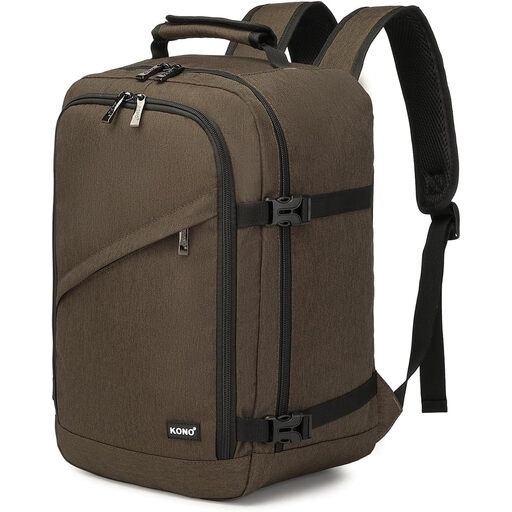
What sets it apart: This travel backpack is precisely tailored to the dimensions for the free personal item on Ryanair (and many other airlines). With dimensions of 40 x 20 x 25 cm, it maximises available storage space without incurring extra fees. The suitcase-like (clamshell) opening makes packing and accessing contents easy.
Advantages:
Who it's for: Ideal for budget-conscious travellers and digital nomads who frequently fly with low-cost airlines and need a compact yet well-organised travel backpack for short trips.
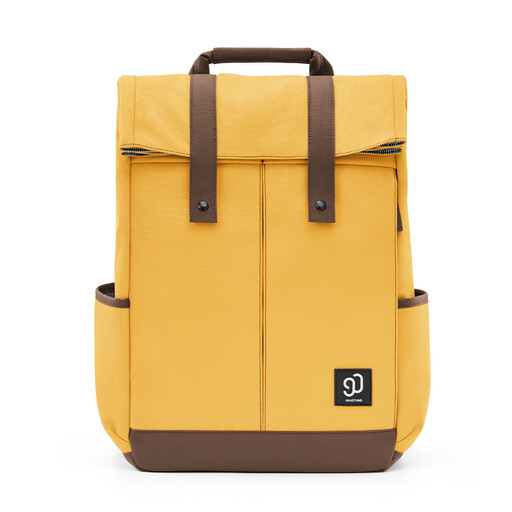
What sets it apart: This model combines a rugged exterior with thoughtful features for everyday life. The 900D tear-resistant fabric and level-4 water-repellent coating provide reliable protection for its contents. A special feature is the side zipper, which allows direct access to the laptop compartment without having to open the entire backpack.
Advantages:
Who it's for: Perfect for students and commuters who need a durable, weather-resistant, and spacious backpack for work and university that keeps tech and everyday items safe and separate.
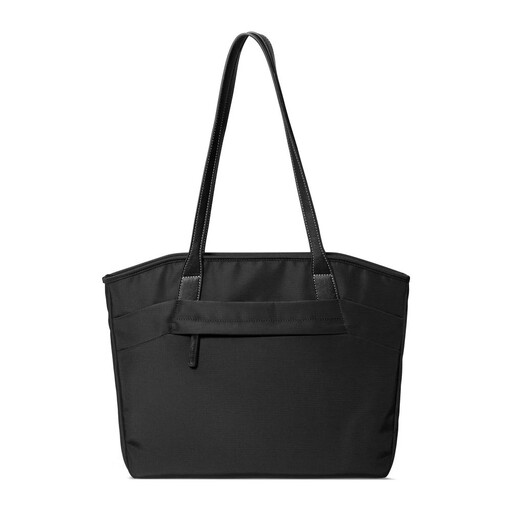
What sets it apart: The Tomtoc T23 is a stylish alternative to the classic backpack. Designed as a tote, it blends the elegance of a handbag with the functionality of a laptop bag. The material is made from recycled PET bottles and is waterproof. With a 10-litre capacity and a weight of just 550 g, it's a lightweight companion for urban life.
Advantages:
Who it's for: For professionals and creatives seeking a lightweight, professional-looking, and eco-conscious bag for their 14-inch MacBook Pro or a similar device, along with their most important daily essentials.
The models presented here cover common use cases, but the selection is far greater. If you are looking for a different style, size, or specific features not listed here, you may find the right product in our comprehensive category.
? Explore Our Entire Collection of Bags & Totes Here
The permissible dimensions for carry-on luggage vary by airline. The IATA recommendation is 56 x 45 x 25 cm. Many European airlines, including Lufthansa, use 55 x 40 x 23 cm as a guideline. For the smaller, often free personal item stored under the seat in front of you, the dimensions are significantly smaller, e.g., 40 x 30 x 20 cm or, as with Ryanair, 40 x 20 x 25 cm. Always check your airline's specific regulations before each trip.
A water-repellent fabric has been treated with a coating that causes water to bead up and roll off. It offers protection against light rain or splashes but can become saturated during prolonged or heavy downpours. A waterproof material, on the other hand, forms an impenetrable barrier against water. With backpacks, the materials themselves are often waterproof, but the weak points remain the seams and zippers unless they are specially sealed.
The best protection is provided by a dedicated, fully padded laptop compartment. Ideally, this compartment should have a "suspended" base, so the laptop does not directly touch the ground when the backpack is set down. Be sure not to place heavy or sharp objects directly next to the laptop compartment to avoid putting pressure on the device.