
Lieferung heute & morgen

Qualitätsgarantie

Willkommens-Angebote freischalten: KOSTENLOSE Lieferung | Bis zu 80 % RABATT | Kostenlose 30-Tage-JoyPlus-Testphase
App herunterladen
Spilled coffee in your bag or lukewarm tea after just an hour on the road—these are common annoyances for commuters, students, and travellers alike. A reliable, leak-proof travel mug isn't a luxury; it's a practical everyday essential. But the market is vast, and manufacturer claims can be overwhelming.
This guide will help you understand the key features of a great travel mug. We'll provide objective criteria for your purchasing decision and present a selection of models suited for various needs.
A travel mug's performance hinges on a few crucial factors. Your personal needs will determine which features are most important to you.
The term "leak-proof" is the most critical quality benchmark. Its reliability depends entirely on the design of the lid and its locking mechanism. Common systems include:
When making your choice, check if the lid can be disassembled. This makes thorough cleaning easier and helps prevent the build-up of germs and odours.
The material affects not only the mug's durability but also its insulation performance and the taste of your beverage.
The insulation time stated by the manufacturer (e.g., "keeps hot for 8 hours") is a useful benchmark determined under lab conditions. In everyday use, this figure can vary depending on the ambient temperature and how often you open the mug.
A to-go coffee mug must be, above all, practical. Consider the following points:
Based on the criteria above, we've compiled a selection of products that cover different use cases.
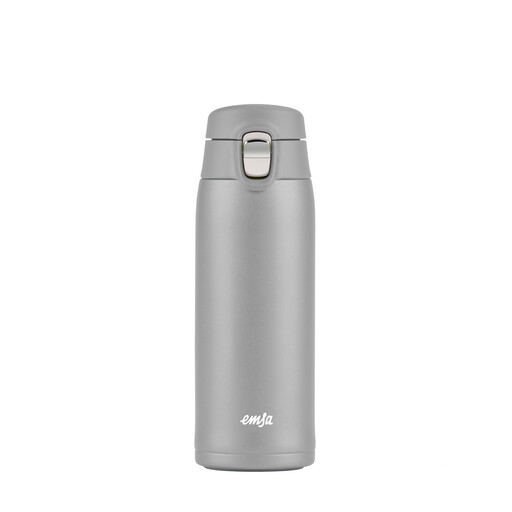
Why It Stands Out: This Emsa Travel Mug is specifically designed for on-the-go use. The manufacturer states that the mug is 100% leak-proof. Its flip-top lid allows for easy one-handed operation, making it an ideal companion for drivers and commuters.
Pros:
Who It's For: Ideal for commuters, travellers, and anyone looking for a completely reliable and practical insulated travel mug for their daily journey to work or on trips.
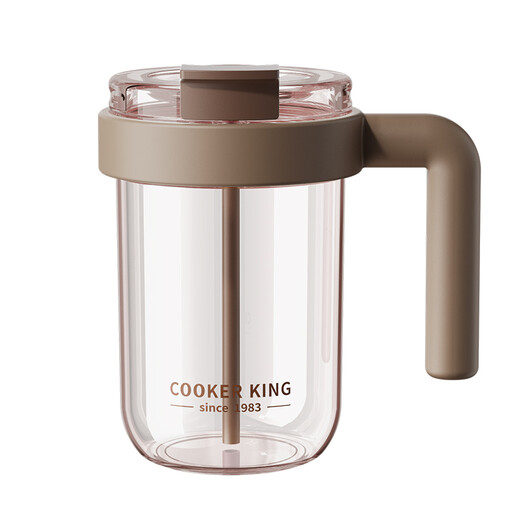
Why It Stands Out: This model specialises in large volumes of cold drinks. With a 1-litre capacity, it's designed for long summer days, picnics, or as a water reservoir for travel. Important Note: This product is intended for cold beverages only.
Pros:
Who It's For: Perfect for users who want to take a large quantity of chilled drinks with them on hot days or during outdoor activities. Not intended for hot beverages or for transport in a bag.
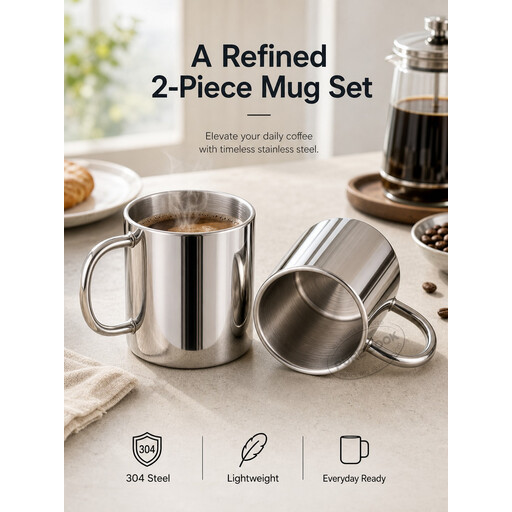
Why It Stands Out: This set of two double-walled mugs is a sturdy and durable alternative to ceramic or glass cups for stationary use. It is not designed as a leak-proof travel mug but offers excellent insulation for your desk or at home.
Pros:
Who It's For: An excellent choice for the office, home office, or campsite. Ideal for anyone who prefers an insulated, lidless mug for use in one place.
The products featured here cover specific use cases. If you're looking for different sizes, designs, or features, a wide range of other options are available. Every user has different priorities, whether it's an extra-compact mug for an espresso machine or a model with an integrated tea infuser.
→ Browse our comprehensive selection of family mugs and find the perfect model for your needs.
Rinse the mug with hot water immediately after each use. For a deep clean, disassemble the lid as far as the manufacturer allows and clean all parts with dish soap and a brush. Stubborn coffee or tea odours can often be removed with a mixture of warm water and a spoonful of baking soda or with specialised cleaning tablets for water bottles. Let the mixture sit for a few hours, then rinse the mug thoroughly.
No, the fit isn't standardised. Most manufacturers of travel mugs designed for commuters ensure a slim base diameter (usually under 7.5 cm). However, it's still a good idea to measure the diameter of your car's cup holder and compare it with the mug's product dimensions to be sure.
BPA (Bisphenol A) is a chemical compound used in some plastics to make polycarbonate and epoxy resins. It can leach from the material into food and drinks. As BPA is suspected of being harmful to health, many manufacturers make sure to use BPA-free plastics for products that come into contact with food. The "BPA-free" label indicates that this substance is not present in the product.