
Lieferung heute & morgen

Qualitätsgarantie

Willkommens-Angebote freischalten: KOSTENLOSE Lieferung | Bis zu 80 % RABATT | Kostenlose 30-Tage-JoyPlus-Testphase
App herunterladen
LED light therapy technology, once found primarily in dermatology clinics, is now available as at-home LED masks. However, the market is crowded and filled with products whose marketing promises often suggest more than the technology can deliver. As your Joybuy Product Recommendation Officer, I'll help you identify the crucial features and avoid common purchasing pitfalls, so you can make an informed decision for your skincare routine.
Before you invest, you should be aware of the most common issues that lead to disappointment and unused devices.
To make a smart purchase, focus on objective, technical features rather than marketing buzzwords.
The most important criterion is the wavelength of the light, measured in nanometres (nm). It determines the light's colour and how deeply it penetrates the skin. For facial light therapy, the following ranges are particularly significant:
Ensure that the manufacturer specifies the exact wavelengths for each colour offered.
A good at-home anti-aging device must be practical.
Here are some recommendations tailored to different needs and priorities.
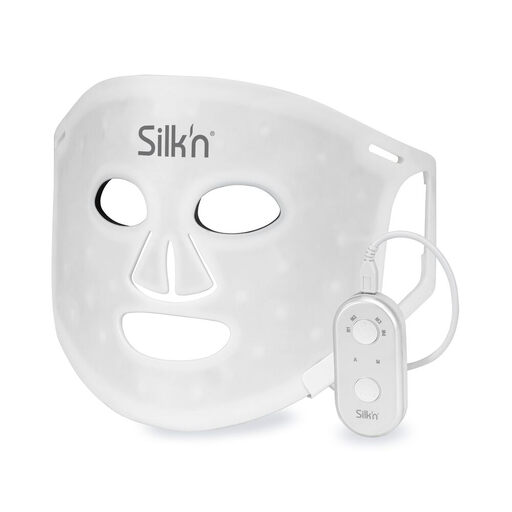
Why this model is a good fit: Ideal for users seeking straightforward and effective light therapy. The device focuses on the four most important light colours and is very user-friendly thanks to its soft silicone and cordless operation.
This model avoids the "multi-colour trap" by specifying the exact wavelengths (e.g., Red: 622 nm, Blue: 463 nm). Its flexible silicone design solves the poor-fit problem of rigid masks.
Offers four relevant light colours with specified wavelengths in a comfortable, flexible design for easy application.
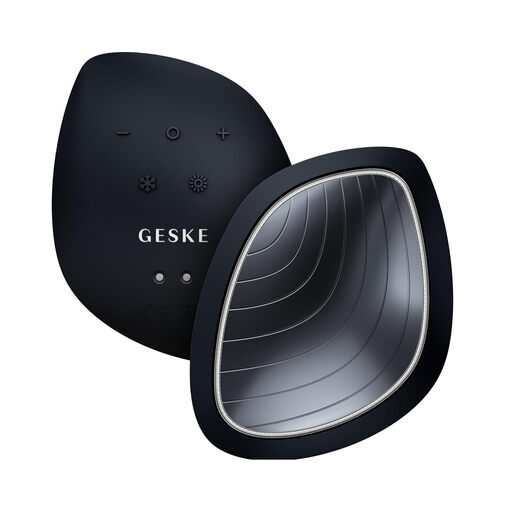
Why this model is a good fit: For users looking for a multifunctional device that goes far beyond simple light therapy. It combines LED light with heat, cold, and sonic vibrations, offering personalised treatment plans via an app.
Instead of just relying on many light colours, this device offers tangible extra features like heat and cold therapy, whose benefits (opening pores, soothing skin) are clearly understandable. The app control ensures a structured application.
Combines full-spectrum LED technology with heat, cold, and sonic functions for a comprehensive skincare treatment that can be personalised via an app.
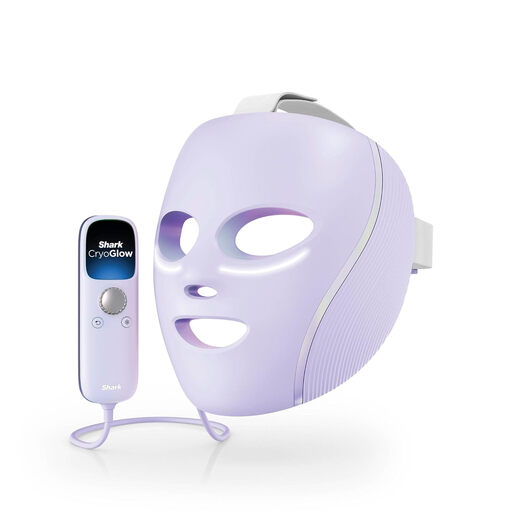
Why this model is a good fit: Perfect for users whose main concerns are reducing redness, improving skin texture, and soothing the eye area. The combination of light therapy and targeted cooling is its standout feature.
This device avoids vague promises by focusing on specific light combinations (Red + Infrared) for which the manufacturer cites study results. The InstaChill cooling technology is a targeted, practical feature, not a gimmick.
Offers targeted red and infrared light therapy combined with an integrated cooling technology to soothe the eye area.
We have compiled a complete, up-to-date list of products that fully meet these strict selection criteria and all applicable safety regulations.
The recommended frequency of use varies depending on the device and treatment goal. Most manufacturers recommend 3 to 5 sessions per week, each lasting between 10 and 20 minutes. Consistency is key to success. Visible changes in skin texture or blemishes may take several weeks to months of regular use. Always follow the manufacturer's specific instructions.
High-quality masks are designed for home use and should not emit harmful UV light. They typically feature built-in eye protection or recommend keeping your eyes closed during treatment. It is essential to follow the manufacturer's safety instructions, especially if you suffer from photosensitivity or have certain pre-existing medical conditions.
Yes, in fact, it's often recommended. The mask should be placed on clean, dry skin. After the light therapy session is the ideal time to apply serums, creams, and moisturisers. Some devices, particularly those with a heat function, can even enhance the absorption of these active ingredients. However, avoid using products that make the skin photosensitive (e.g., certain acids or retinoids) immediately before treatment.