
Lieferung heute & morgen

Qualitätsgarantie

Willkommens-Angebote freischalten: KOSTENLOSE Lieferung | Bis zu 80 % RABATT | Kostenlose 30-Tage-JoyPlus-Testphase
App herunterladen
Lemon tea is more than just a beverage—it's a versatile companion for any season. Whether as a warming infusion on cold days or a refreshing iced tea in the summer, the zesty note of lemon is a beloved feature in many tea blends. However, the market offers a vast selection, ranging from traditional loose-leaf fruit teas and organic herbal blends to convenient instant powders.
This guide is designed to give you a clear overview of the different types of lemon tea available. We will introduce various products and explain their characteristics, helping you make an informed decision that suits your taste preferences and daily routine.
Before you choose a tea, a few considerations can help narrow down your options. The most important criteria are the tea's format, its ingredient composition, and your intended preparation method.
The format of the tea directly impacts its preparation and the overall flavour experience.
A look at the ingredients list reveals the tea's character.
While almost any tea can be brewed hot, not every variety is equally suited for the cold version. Teas with a high tannin content, such as black tea, can turn bitter as they cool if not prepared correctly. Fruit teas and special instant blends are often a safe bet for a refreshing iced tea.
Catering to the diverse preferences of tea drinkers, we have compiled a selection of different lemon tea varieties.
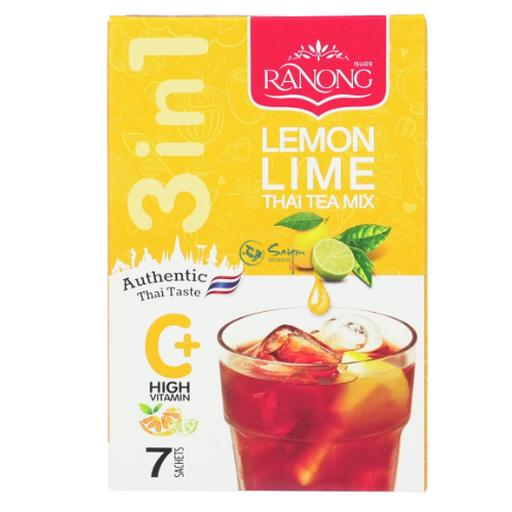
Why It Stands Out: This instant tea mix combines the characteristic taste of Thai black tea with the zesty acidity of lemon and lime. The preparation is incredibly simple, and the product is specifically designed to be enjoyed as a hot or cold beverage.
Benefits:
Who Is It For? This product is ideal for those looking for a quick and hassle-free solution for a refreshing drink. It particularly appeals to lovers of sweet iced teas and the specific flavour profile of Thai tea.
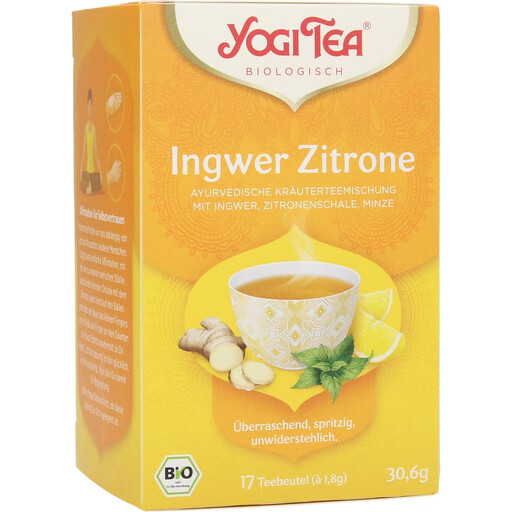
Why It Stands Out: This herbal tea follows Ayurvedic principles, combining the spiciness of ginger with the freshness of lemon, lemongrass, and peppermint. All ingredients are from certified organic farming, and the blend is naturally caffeine-free.
Benefits:
Who Is It For? This ginger lemon tea is aimed at health-conscious consumers looking for a caffeine-free organic lemon tea. It is an excellent choice for anyone who appreciates a warming yet invigorating herbal blend.
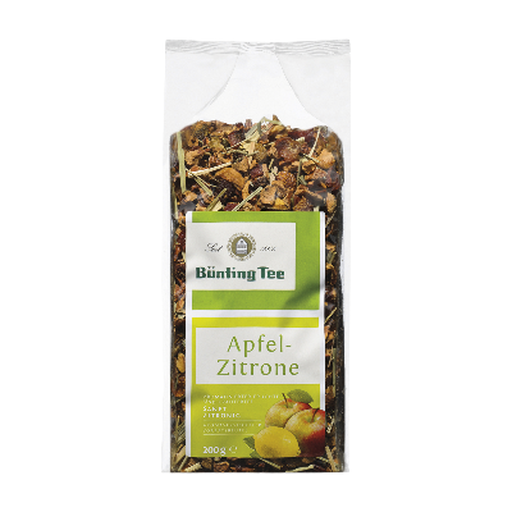
Why It Stands Out: As a loose-leaf lemon tea, this blend of fruits and herbs offers maximum flexibility in preparation. The base of apple pieces and rosehip peels provides a mild, fruity body, complemented by lemongrass and a light lemon aroma.
Benefits:
Who Is It For? This blend is for tea drinkers who prefer the traditional infusion of loose-leaf tea and like to determine their tea's strength themselves. It is a great choice for anyone looking for a mild, low-acidity, and caffeine-free lemon fruit tea.
The world of lemon-flavoured products is diverse and not limited to the varieties presented here. If you are looking for other types of tea, different flavours, or entirely different products that capture the freshness of lemon, it's worth taking another look.
Browse our wider selection of [Lemon] products to find more tea varieties and other refreshments to buy for your tea with lemon.
The main difference lies in the base ingredients. A lemon fruit tea consists mainly of dried fruit pieces like apple, rosehip, or hibiscus, which gives it a fruity and often slightly sweet-and-sour taste. A lemon herbal tea is based on dried herbs, leaves, and spices such as lemongrass, mint, chamomile, or ginger. Its flavour profile is more spicy, earthy, or floral.
Theoretically, yes, but the results can vary. Instant powders are specifically optimised for cold preparation. For fruit and herbal teas, it is recommended to brew the tea hot, let it steep briefly, and then cool it down quickly over ice cubes ("flash-chilling") to preserve the flavours. Black or green tea can release bitter compounds during slow cooling.
Look for recognised organic seals, such as the EU organic logo (a stylised leaf made of stars on a green background). This seal guarantees that the product complies with the EU's strict regulations for organic farming. This includes the prohibition of chemical-synthetic pesticides and fertilisers, as well as genetically modified organisms.