
Lieferung heute & morgen

Qualitätsgarantie

Willkommens-Angebote freischalten: KOSTENLOSE Lieferung | Bis zu 80 % RABATT | Kostenlose 30-Tage-JoyPlus-Testphase
App herunterladen
With so many options lining the shelves, choosing the right soy sauce can be a challenge. For Chinese cuisine in particular, distinguishing between different types is crucial for an authentic flavour experience. This guide focuses on light soy sauce, also known as Sheng Chou (生抽), an indispensable Asian condiment. We'll explain its key characteristics, offer practical buying tips, and present a selection of products to help you make an informed decision.
To find the perfect product for your kitchen, a few key pointers can help. Pay attention to the following three aspects.
The most common mistake when preparing Chinese dishes is confusing light and dark soy sauce.
For stir-fries, soups, marinades, and dipping sauces, light soy sauce is almost always the right choice.
The quality of a soy sauce depends heavily on its ingredients and production process.
Traditional soy sauce has a high sodium content. For a more health-conscious diet, numerous alternatives are now available.
Based on the criteria above, we have curated a selection of products that cater to different needs—from everyday use to specific dietary requirements.
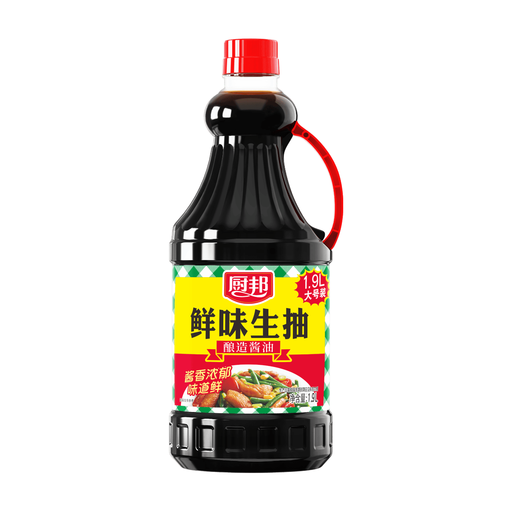
Why It Stands Out This Chubang soy sauce is a classic all-rounder in an economical, large-format bottle. Its balanced flavour makes it a reliable choice for a wide variety of dishes.
Pros
Who It's For Ideal for families, shared households, or passionate home cooks who use a lot of light soy sauce and are looking for a product with excellent value for money.
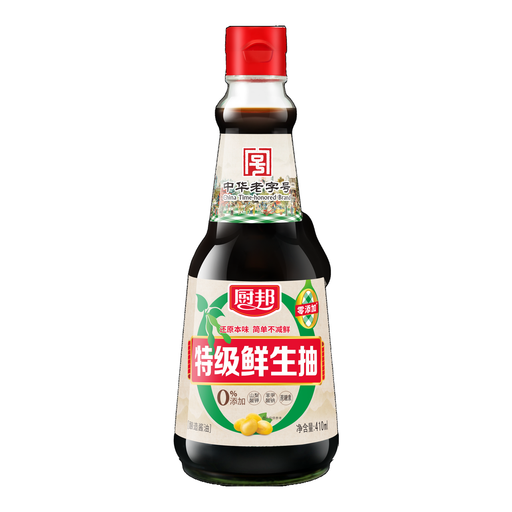
Why It Stands Out This product is aimed at purists. With just five ingredients and no additives, the pure, natural flavour takes centre stage.
Pros
Who It's For Perfect for health-conscious consumers and chefs who value unadulterated ingredients and a "clean label" approach.
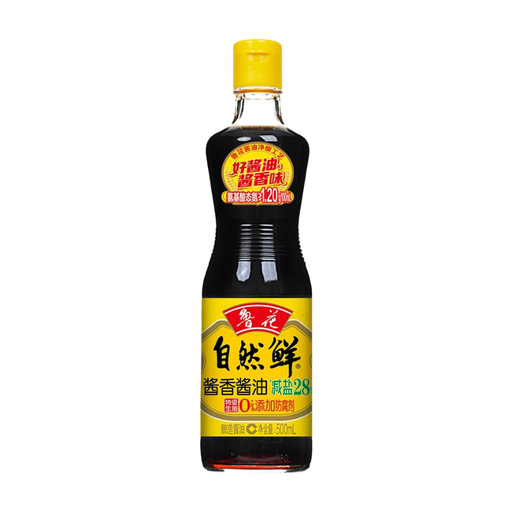
Why It Stands Out This soy sauce from Lu Hua is positioned in the premium segment. An objective quality indicator is its high amino acid nitrogen content of ≥1.20 g/100 ml, which signals an exceptionally rich and complex flavour.
Pros
Who It's For For discerning chefs seeking a product with verifiable quality markers and an especially deep, aromatic flavour profile.
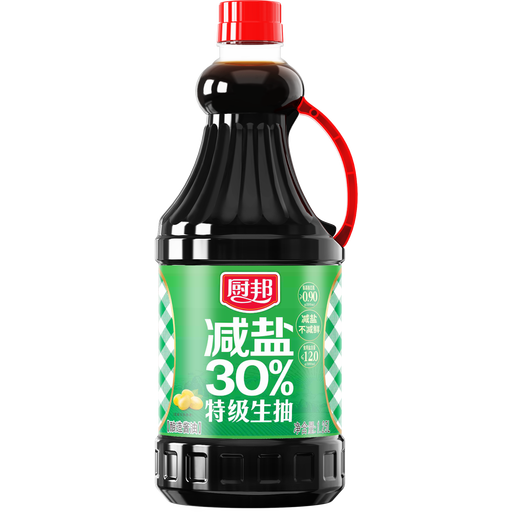
Why It Stands Out This version from Chubang offers a clear solution for anyone looking to actively reduce their salt intake without compromising on taste.
Pros
Who It's For An excellent choice for health-conscious individuals and families looking for a reduced-sodium soy sauce for everyday use.
The world of Asian condiments is vast and diverse. If you're interested in exploring other products beyond light soy sauce, such as dark soy sauce, rice vinegar, or specialty dipping sauces, you're sure to find the perfect match for your culinary adventures in our broader selection.
Discover More Chinese Table Sauces
1. What is the exact difference between light and dark soy sauce? Light soy sauce (Sheng Chou) is thinner, saltier, and used to season dishes without significantly affecting their colour. Dark soy sauce (Lao Chou) is thicker, less salty, slightly sweet, and used primarily to add colour to foods like braised dishes.
2. How should light soy sauce be stored? An unopened bottle of light soy sauce can be stored in a cool, dark place. After opening, it is recommended to keep the bottle tightly sealed in the refrigerator. This helps preserve the product's freshness and aroma over a longer period.
3. Can I use Japanese soy sauce (shoyu) instead of Chinese light soy sauce? Although they can sometimes be used interchangeably, there are flavour differences. Japanese soy sauce (shoyu) is often brewed with a higher proportion of wheat, which gives it a profile that tends to be sweeter and less salty. For authentic Chinese recipes that call for Sheng Chou, a Chinese soy sauce will deliver a more fitting flavour result.