
Lieferung heute & morgen

Qualitätsgarantie

Willkommens-Angebote freischalten: KOSTENLOSE Lieferung | Bis zu 80 % RABATT | Kostenlose 30-Tage-JoyPlus-Testphase
App herunterladen
Finding the right lightweight face moisturizer can be a complex task, especially if you have oily or combination skin. Many products promise hydration without the shine, but the reality is often different. A greasy film, clogged pores, or a cream that dries out your skin more than it nourishes are common consequences of the wrong choice. As your Joybuy Product Recommendation Officer, I'll help you navigate the typical pitfalls and make an informed decision.
Before we turn to the solutions, it's important to understand the most common problems that lead to poor purchasing decisions.
mattifying moisturizer can provide a shine-free finish in the short term. However, if it contains harsh ingredients like high concentrations of denatured alcohol, it strips moisture from the skin. This can stimulate the sebaceous glands to produce even more oil in compensation—an unwanted cycle begins.light-textured face cream feels pleasant on application, but its hydrating performance is not always sufficient. If moisture-binding ingredients like hyaluronic acid or glycerin are missing or included in too low a concentration, moisture evaporates quickly, and the skin soon feels dry and tight again.To avoid these mistakes, you should check three essential criteria before buying. These will help you distinguish effective products from the rest and find a moisturizer that truly suits your skin's needs.
The texture is crucial for how the product feels on your skin. For oily and combination skin types, water-based formulations are ideal.
gel-cream for the face offers a great balance. It combines the intense hydration of a cream with the light, fast-absorbing property of a gel.day cream for combination skin, especially in warmer months or as a base under makeup.oil-free moisturizer. They provide an instant boost of freshness.A good lightweight moisturizer provides hydration without weighing down the pores. Look for the following ingredients:
non-comedogenic moisturizer.Consider the result you want to achieve. A moisturizer for oily skin should control shine without making the skin look dull.
Instead of making a one-size-fits-all recommendation, we have identified products tailored to different requirement profiles.
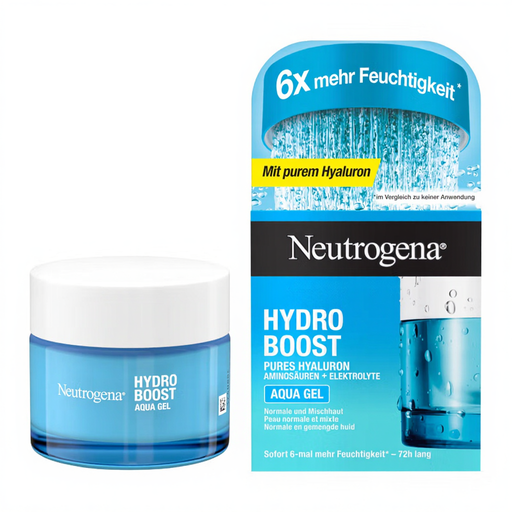
Why this product is a good fit: Ideal for anyone seeking intense moisture in a feather-light texture. The gel formulation is perfect for combination skin as it nourishes dry patches without overwhelming the oily T-zone.
This product avoids the "light texture, low impact" trap. The Hyaluronic Gel Complex and botanical Trehalose are proven to deliver intense, long-lasting hydration.
The formula is oil-free and absorbs extremely quickly without leaving a film. It is designated as non-comedogenic.
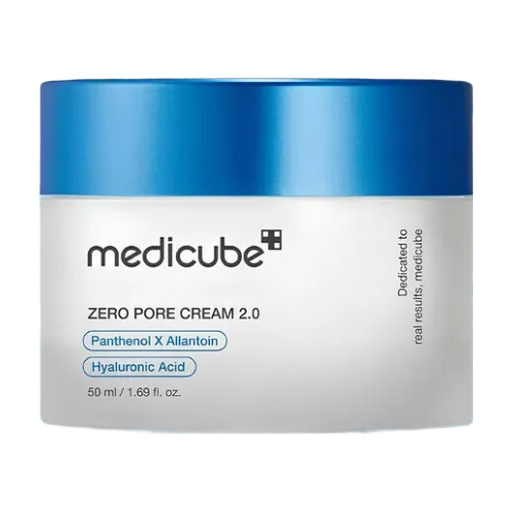
Why this product is a good fit: For users whose main concerns are visibly refining pores and controlling sebum production. This cream aims to improve skin texture while maintaining the moisture balance.
Instead of just superficially mattifying the skin, this cream contains Glycolic Acid (AHA) to gently remove old skin cells and smooth the skin's texture. It controls sebum without drying out the skin.
The formula combines pore-refining acids with hydrating hyaluronic acid and soothing plant extracts for a comprehensive approach.
We have compiled a complete, up-to-date list of products that fully meet these strict selection criteria and comply with current regulations.
Yes, it's possible. However, in very cold and dry weather, it may be wise to adjust your skincare routine. You can layer your lightweight moisturizer with a hydrating serum (e.g., with hyaluronic acid) or use a slightly richer night cream in the evening to provide additional support for the skin barrier.
The term "non-comedogenic" means the formulation has been designed to minimize the risk of clogged pores. It's an important guide, but not an absolute guarantee. Every person's skin reacts individually to ingredients. A patch test on a small area of skin, such as along the jawline, is always a good practice for sensitive or blemish-prone skin.
For optimal absorption, it's best to apply the cream to cleansed and still slightly damp skin. A pea-sized amount is usually sufficient for the entire face and neck. Gently massage the product in until it is fully absorbed. If you use serums, the moisturizer comes as the final skincare step before sunscreen in the morning.